
Can I Still Recover Damages if I Signed Paperwork?
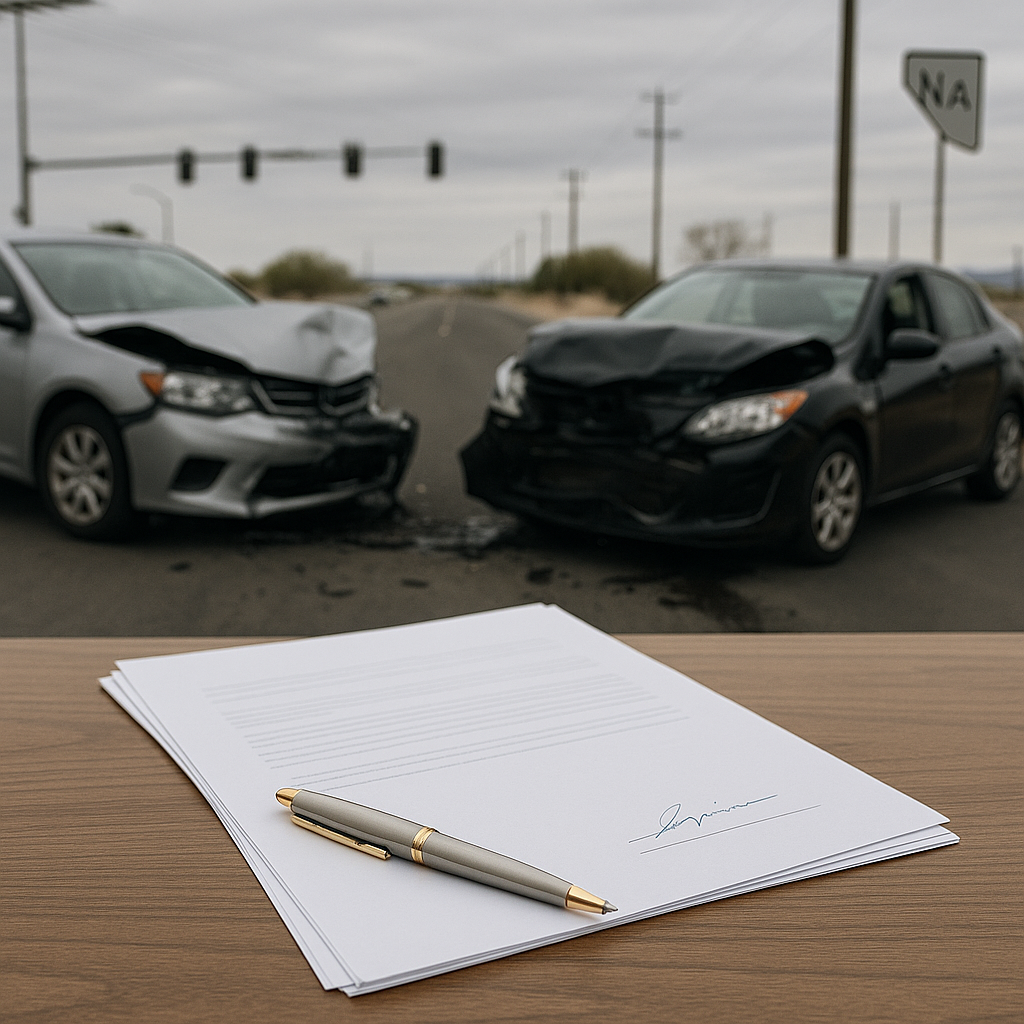
If you’ve recently been in a car accident in Nevada and signed some paperwork—maybe from the other driver, their insurer, or even simply at the scene—you might now wonder: Can I still recover damages if I signed paperwork? This is a common concern, especially when you’re not sure what those documents actually mean for your ability to get compensation.
Why Nevada Drivers Ask This Question
Nevada roads see thousands of crashes each year, and the aftermath is often stressful and confusing. Amidst the chaos—swapping details, talking to police, or maybe even accepting help from an insurance representative—it’s not unusual for drivers to be handed documents to sign. You might sign paperwork after a crash in Nevada thinking it’s routine, only to worry later about what you agreed to.
Nevada drivers are often unsure what implications these signatures have. Are you locked into what you signed? Can you still pursue damages for injuries or car repairs? These questions arise because every accident is unique, and paperwork can look official, yet sometimes have serious binding effects. Knowing what’s possible is crucial for anyone dealing with the aftermath of a crash.
Clear Explanation with Nevada Context
The key question is: Does signing paperwork after a crash in Nevada always mean you give up your right to seek damages? The short answer is—not necessarily. However, it depends heavily on what you signed, who provided the paperwork, and whether you understood the terms.
Helpful Background Information
After a collision, the paperwork presented may fall into a few general categories:
1. Insurance Forms: These could be initial claim forms, property damage assessments, or payment receipts. Sometimes, you might be asked to sign a release of liability in exchange for a settlement.
2. Police Reports: Officers may ask you to sign witness statements or accident summaries to acknowledge your account of the event.
3. Agreements with Other Drivers: Occasionally, one driver may draft an informal agreement promising not to pursue further action.
In Nevada, your rights typically depend on whether you’ve signed a binding “release of liability.” This document, often required by insurance companies before issuing a settlement check, usually states that you accept a certain amount of money in full satisfaction of your claim and will not pursue any further compensation related to the accident. If you signed this type of release, recovering additional damages later gets much more challenging.
However, not all paperwork is a waiver. For example, signing a police report or basic insurance notification is usually just part of the standard process and doesn’t affect your rights. The important distinction is whether you agreed—knowingly or unknowingly—to release the other party from further claims.
Common Misconceptions
Misconception 1: Signing anything means you forfeit your rights.
This is not always true. Many forms or acknowledgements are procedural and don’t sacrifice your ability to recover. It’s the content and intent of the document that matters most.
Misconception 2: You can “undo” any paperwork.
While Nevada law does sometimes allow for challenging certain agreements—especially if signed under duress, without proper explanation, or with fraudulent statements involved—this is generally the exception, not the rule. Once a full release is knowingly signed, courts are hesitant to set it aside without strong reasons.
Misconception 3: Insurance companies can’t settle unless a court is involved.
Car accident claims in Nevada are resolved outside of court more often than not. Signing a release with an insurance company usually finalizes the claim process, and you might not get another opportunity to demand more.
Misconception 4: All paperwork looks official and legal.
Documentation drafted by an insurance adjuster or even the other driver may look intimidating, but not all paperwork is legally binding. The real question is whether the paperwork explicitly waives your right to seek damages.
Closing Paragraph
In Nevada, if you signed paperwork after a crash, your ability to recover damages depends on what you signed and the specifics of your situation. The presence of your signature does not always mean you’ve given up your rights—especially if you didn’t sign a clear, well-explained release of liability. However, if you did sign a comprehensive settlement or liability waiver, your options may be limited. Navigating the aftermath of an accident is stressful, but knowing the implications of what you signed is vital. Reading all paperwork carefully, keeping copies of what you signed, and staying informed about your rights can help protect your ability to recover just compensation in Nevada.