
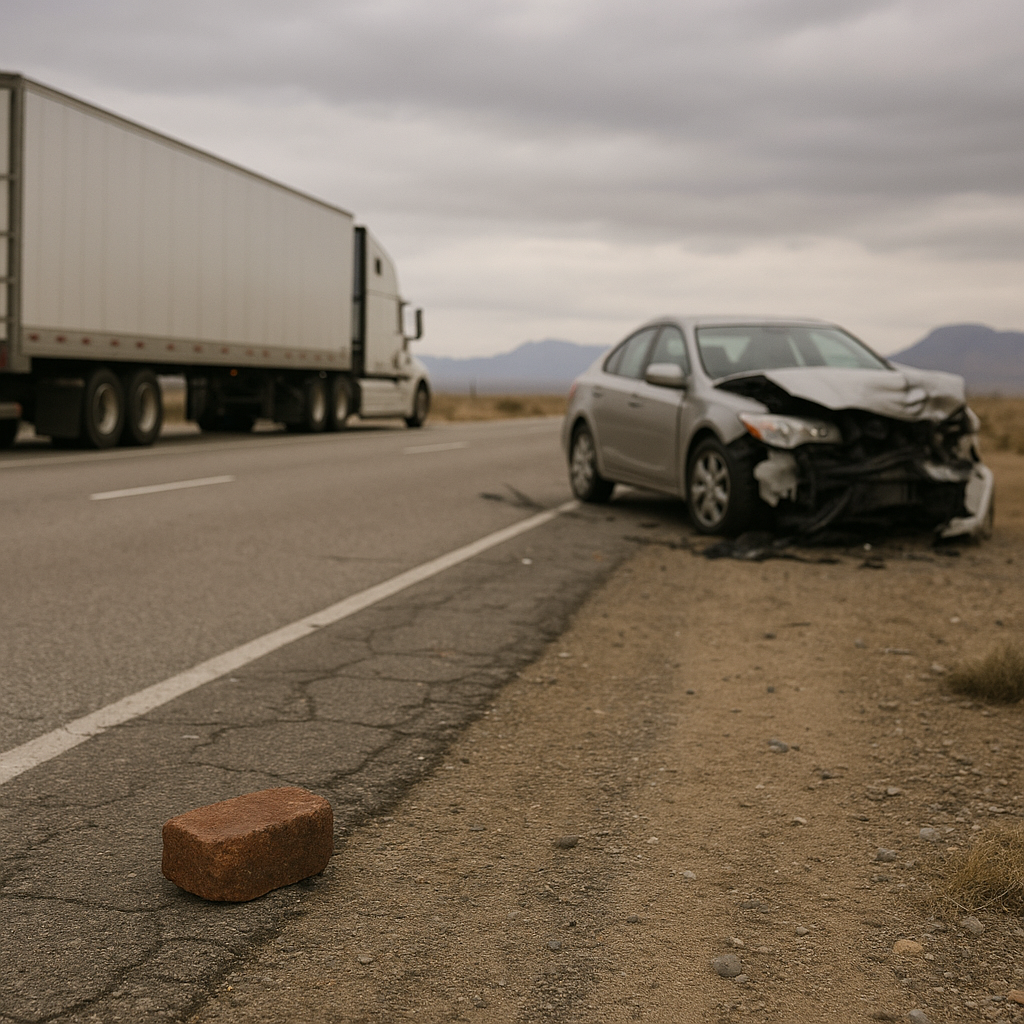
Can I Recover Pain and Suffering in Nevada Truck Accidents?
Why Nevada Drivers Ask This Question
When a serious truck accident happens on Nevada highways like I-15 or US 95, the consequences can be life-changing. The large size and weight of commercial vehicles often leave victims dealing with more than just property loss or straightforward medical bills. Many crash survivors experience ongoing pain and suffering—physical, emotional, and mental—that are challenging to measure and endure.
Nevada drivers who have been in truck accidents often want to know: Are they entitled to be compensated for these less tangible damages? Since pain and suffering are not as easily calculated as car repairs or hospital invoices, there’s understandable confusion about whether the law allows for such recovery in Nevada, and if so, how it works.
Understanding your options is important, especially if you’re weighing whether to pursue an insurance claim or a lawsuit after a truck accident. And because Nevada uses its own legal standards, answers will differ from those in neighboring states.
Clear Explanation with Nevada Context
Under Nevada law, people who are injured in truck accidents may be able to recover compensatory damages if the accident was caused by another party’s negligence. These compensatory damages generally fall into two categories: economic (such as medical expenses and lost wages) and non-economic (such as pain and suffering).
Pain and suffering refers to the physical discomfort, ongoing pain, loss of enjoyment of life, emotional distress, and psychological impacts resulting from an accident. This can include traumatic injuries, anxiety, depression, nightmares, or the loss of ability to participate in activities you once enjoyed—any negative outcome that goes beyond easily measured losses.
How Pain and Suffering is Addressed in Nevada:
Nevada law allows victims of truck accidents to seek compensation for pain and suffering as part of a personal injury claim. Non-economic damages can be awarded through a negotiated insurance settlement or in court, provided the victim successfully proves that the other party was at fault and establishes the extent of the suffering. Importantly, Nevada does not have a general cap (maximum limit) on pain and suffering damages for truck accident cases, though it does set caps in other scenarios (like medical malpractice cases).
Helpful Background Information
It’s useful to know how the process typically works for pain and suffering claims in Nevada following a truck accident:
– Determining eligibility: To qualify for pain and suffering damages, the victim must demonstrate that someone else (like a truck driver, trucking company, or another motorist) was legally responsible for the accident and the resulting injuries.
– Documenting suffering: Non-economic damages are subjective, so courts and insurance companies look for supporting evidence—such as medical records, psychological evaluations, photographs of injuries, or testimony from family and friends about changes to the victim’s daily life.
– Calculating value: There is no precise formula for determining the amount of pain and suffering damages in Nevada. Insurers and juries might consider factors like the severity of injuries, the length of recovery, permanent disabilities, interference with work or hobbies, and the overall impact on the victim’s life.
– Comparative negligence: Nevada uses a “modified comparative negligence” rule. If you are found partially at fault for the truck accident, your compensation—including pain and suffering—may be reduced in proportion to your share of fault. If you are 51% or more responsible, you may be barred from recovering any damages.
Common Misconceptions
1. Only Medical Bills Can Be Recovered:
Many people believe that compensation after a truck accident is limited to “tangible” costs like doctor visits and car repairs. In Nevada, victims can also pursue compensation for non-economic damages, including pain and suffering, as long as they can show the impact on their life.
2. There’s a Strict Formula for Pain and Suffering:
Unlike economic damages, there’s no fixed calculator for pain and suffering. Each case is unique, and amounts can vary widely depending on circumstances and supporting evidence.
3. Caps Apply to All Non-Economic Damages:
While some states cap non-economic damages for vehicle accidents, Nevada does not have a general cap on pain and suffering from truck accidents. Exceptions exist in special cases like claims against government entities and medical malpractice, but not standard truck accidents.
4. Insurance Companies Will Always Offer Pain and Suffering Damages:
Insurance adjusters may resist or lowball non-economic damages, especially without solid documentation. Many claims are settled for less than their actual value due to misunderstandings or lack of evidence.
Closing Paragraph
Dealing with the aftermath of a Nevada truck accident isn’t just about fixing your car or paying medical bills—it often means managing lasting pain and suffering as well. If you’re facing these challenges, it’s important to understand that Nevada law does allow for pain and suffering damages in many truck accident cases. While the process of recovering these damages involves proving both fault and the extent of your suffering, compensation may be available. Knowing your rights and gathering thorough documentation can make a significant difference in your pursuit of fair recovery under Nevada law.