
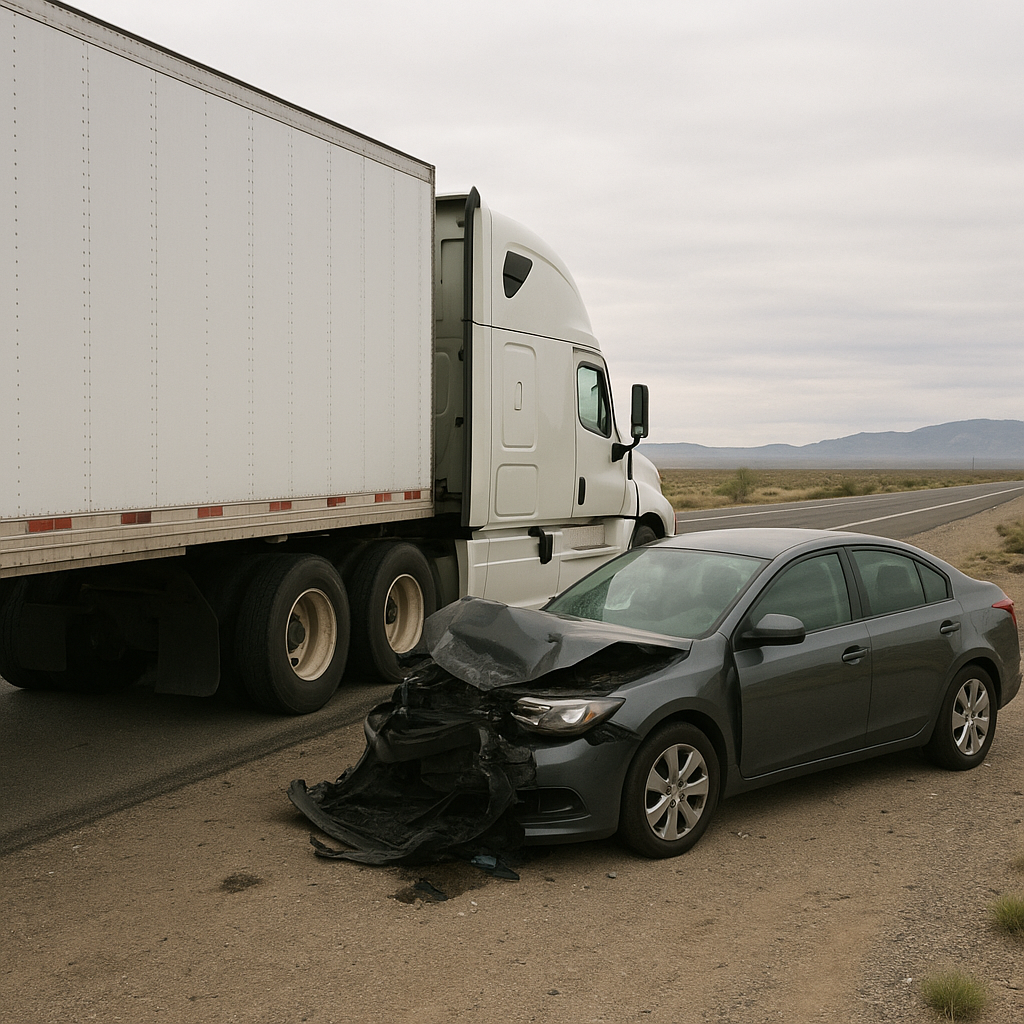
Can I Recover Disability Damages in Nevada Truck Accidents?
Truck accidents on Nevada’s highways and city streets can lead to severe, life-changing injuries. For those facing long-term or permanent disabilities after such an incident, a key concern is whether they can recover compensation for this devastating impact. Let’s explore why this question comes up, how Nevada law addresses it, provide helpful background, and clear up some common misconceptions.
Why Nevada Drivers Ask This Question
Truck accidents often leave behind more serious injuries than typical car collisions, given the sheer size and weight of commercial vehicles. Nevada drivers and passengers can face significant, sometimes permanent disabilities—ranging from spinal injuries and amputations to traumatic brain injuries—when involved in these crashes.
After the initial shock and emergency care, accident victims understandably wonder:
– Can I recover disability damages from the at-fault party?
– Will compensation cover my long-term needs?
This uncertainty is heightened by the financial stresses that accompany major injuries—loss of income, ongoing care expenses, home modifications, and more. Because Nevada highways like I-15 and I-80 see heavy truck traffic, these questions are particularly relevant here.
Clear Explanation With Nevada Context
In Nevada, when someone suffers a disabling injury in a truck accident caused by another party’s negligence, they may seek compensation for a wide range of damages through a personal injury claim or lawsuit. This can include “disability damages”—a broad category referring to money awarded for permanent or partial loss of physical or cognitive abilities.
What are “disability damages”?
– Disability damages refer to compensation for the loss of ability to perform functions you could before the accident. This includes both physical (walking, standing, lifting), cognitive (memory, concentration), and sensory (sight, hearing) impairments.
– These damages are distinct from standard medical costs or lost wages—they specifically address the life changes and limitations resulting from a truck-related disability.
Nevada’s approach:
– Nevada follows a “comparative negligence” system (NRS Chapter 41). If an injured person is less than 51% responsible for the accident, they can seek damages, though compensation may be reduced by their share of fault.
– When a truck driver (or their employer) is found liable, injured parties can seek economic damages (medical bills, lost earnings, future care), as well as non-economic damages—including those for disability, disfigurement, and loss of enjoyment of life.
How are disability damages calculated?
– There is no strict formula. Damages are typically determined based on the severity and permanence of the disability, its impact on daily life, the victim’s occupation and lifestyle, projected future costs, and testimony from doctors and vocational experts.
– Insurance companies—or courts, if the case proceeds to trial—review medical records, expert opinions, and other evidence to determine what constitutes reasonable compensation for your disability.
Helpful Background Information
Nevada Truck Accident Laws and Disability Claims
Nevada has specific laws and regulations regarding truck accidents and liability. Commercial trucks are subject to both federal (FMCSA) and state rules about safety, maintenance, and driver conduct. When a truck accident leads to disability, often multiple parties may be involved:
– The truck driver
– The trucking company
– Manufacturers (if equipment failure was involved)
– Other drivers
When determining whether disability damages are recoverable, insurance policies and the degree of negligence are key factors. Many commercial policies have higher coverage limits, which may allow for more substantial compensation given the severity of truck accident injuries.
Special Compensation Considerations
Disabilities don’t just affect the body—they can upend a person’s entire way of life. For this reason, Nevada law recognizes several forms of related damages, including:
– Loss of earning capacity: If your disability prevents you from returning to your previous job or limits future work, you can seek recovery for this lost potential income.
– Costs of ongoing care: Long-term medical care, rehabilitation, assistive devices (wheelchairs, prosthetics), and even home modification expenses may be compensable.
– Emotional and psychological impact: Nevada allows for non-economic damages addressing pain, suffering, and loss of enjoyment of life—important compensations for those adapting to new disabilities.
Common Misconceptions
“Only Medical Bills Are Recoverable”
One widespread misconception is that Nevada accident victims can only recover for immediate, out-of-pocket expenses, like hospital bills or medication costs. In fact, disability damages and other non-economic impacts are a recognized part of Nevada injury claims, especially in cases of permanent impairment.
“You Must Be Completely Paralyzed or Incapacitated”
Another myth is that disability damages only apply to victims with total paralysis or the most severe injuries. In Nevada, even partial or “less visible” disabilities (such as loss of range of motion, chronic pain, or cognitive difficulties) may qualify for compensation if they demonstrably limit daily functioning or employment opportunities.
“Insurance Always Pays These Damages Automatically”
Some people believe that insurance companies routinely offer fair compensation for all damages, including disabilities. However, insurers may challenge the extent or permanence of your limitations, or dispute how much your life has changed. Proper documentation and expert testimony are typically needed to establish the full impact.
Closing Paragraph
For Nevadans dealing with the aftermath of a serious truck accident and resulting disabilities, it’s important to know that state law does recognize and allow for the recovery of disability damages. These cases often involve complex evidence and negotiation, and the specifics can vary depending on the circumstances of the accident, the nature of the disability, and the parties involved. Understanding your rights and the possibilities for compensation can help you focus on healing and adapting to new challenges after a truck accident in Nevada.