
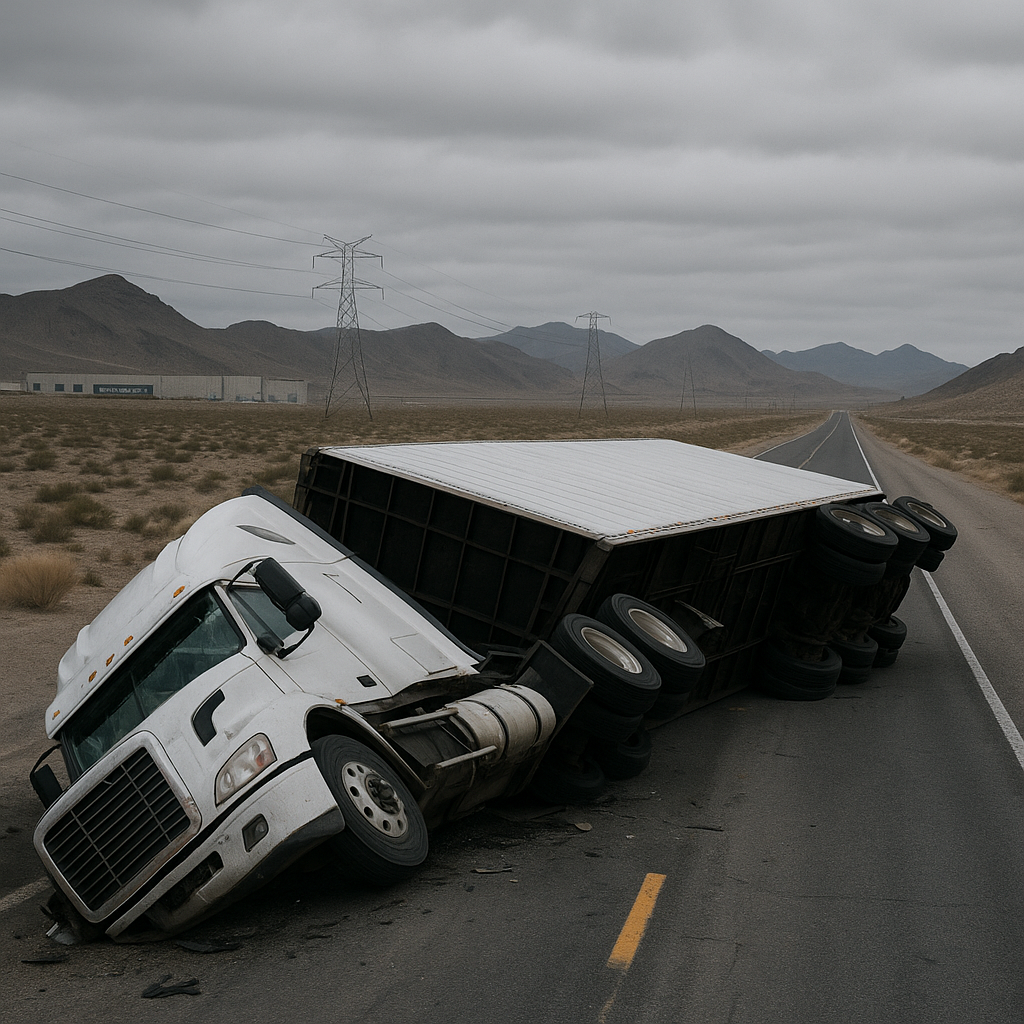
Truck Accidents Near Apex Nevada Industrial Corridor: Understanding the Risks and Realities
The growing industrial presence along the Apex Nevada corridor has transformed this region into a vital logistics hub, but it has also brought increased attention to the issue of truck accidents. Apex Nevada truck accidents, particularly those occurring near the northern stretch of Interstate 15 (I-15), have raised concerns among commuters, industry stakeholders, and local authorities. This article explores the geographic and economic factors that define this corridor, the reasons for higher accident rates, and ongoing safety awareness considerations.
—
Overview of the Apex Nevada Location and Highway Segment
Apex is located approximately 20 miles northeast of Las Vegas, right off Interstate 15 in Clark County. This corridor has rapidly developed into an industrial powerhouse, featuring manufacturing facilities, distribution centers, and warehousing for large-scale companies. The Apex Industrial Park, situated at the heart of this area, has attracted significant investment due to its strategic proximity to the Las Vegas metropolitan area and convenient transportation links.
Interstate 15 serves as the principal artery for freight moving northward toward Utah and California, making it a frequent route for heavy trucks transporting goods in and out of the southern Nevada region. The segment of I-15 near Apex experiences a unique mix of local commuter traffic and large commercial vehicles, creating a dynamic and sometimes unpredictable road environment.
—
Why Truck Accidents Are More Common in This Area
The uptick in Apex Nevada truck accidents is not random. Several factors, unique to this location, lead to higher incident rates involving commercial trucks. These include the rapid expansion of the industrial zone, increased truck traffic, and the specific design of the roadway network.
Road Design Factors That Influence Crashes
Road design plays a pivotal role in the frequency and severity of truck accidents. In the vicinity of the Apex Industrial Corridor, several aspects warrant closer scrutiny:
– Highway Merges and Exits: The I-15 corridor near Apex is characterized by high-speed merges and exits. Trucks entering or leaving the highway must navigate steep entrance ramps or sharp curves that can be challenging, especially when vehicles are heavily loaded.
– Limited Shoulder Space: Some older portions of the highway lack wide shoulders, restricting the ability of trucks and other vehicles to pull over safely in emergencies or breakdowns. This limitation can lead to secondary crashes, particularly during periods of high truck density.
– Construction Zones: As the region expands, ongoing roadwork and construction projects can change traffic patterns with little warning. Temporary lane shifts, reduced speed limits, and narrowed lanes can present added hazards, especially for long-haul truck drivers unfamiliar with the area.
– Visibility and Lighting: Certain stretches near Apex may be less illuminated than urban corridors closer to Las Vegas, especially at night. Reduced visibility can complicate efforts to spot slow-moving vehicles, debris, or sudden lane merges.
These design elements, taken together, create a complex environment in which large vehicles are especially susceptible to incidents.
Traffic Patterns and Truck Volume Considerations
The traffic patterns around the Apex Industrial Corridor provide further context for the elevated truck accident risk:
– Peak Operation Windows: The industrial complexes in Apex often schedule truck loading and unloading outside regular commuter hours to avoid congestion, yet overlapping traffic still commonly occurs during early mornings and late afternoons. This increases the likelihood of trucks interacting with passenger vehicles in denser traffic.
– Truck Convoys and Platooning: Some logistics operations utilize coordinated truck platoons—groups of trucks traveling close together—to improve efficiency. While this can reduce aerodynamic drag, it also compresses heavy vehicle traffic onto segments of the highway, diminishing the reaction times available to both truck and passenger car drivers.
– Mixed-Vehicle Interactions: The route near Apex serves not only large trucks but also commuter vehicles, local delivery vans, and the occasional oversized load. The differing speeds and maneuverability among these vehicles can lead to sudden lane changes, unexpected braking, and challenging passing scenarios.
– Seasonal Fluctuations: The region experiences traffic surges during certain times of year, especially around major holidays when freight demands spike. During these periods, the number of trucks—along with the pressure to deliver goods quickly—increases, compounding the risks of accidents.
Understanding these traffic trends helps explain why Apex Nevada truck accidents are more common in this critical section of the state’s logistics network.
—
Safety Awareness Considerations (Non-Advice Tone)
Truck accidents near Apex Nevada highlight the importance of safety awareness for everyone who travels this corridor. For the men and women behind the wheel of commercial trucks, Apex represents a convergence of operational pressures and real-world road challenges. Vigilance is required by all road users due to the presence of high-speed traffic, frequent merging, and varying driver familiarity with local roadways.
Awareness of construction zones, attentiveness in low-visibility areas, and patience during peak industrial operation windows can contribute to a more predictable traffic environment. Commuters and local drivers can remain mindful of the increased truck presence—especially at night, during weather events, or in the aftermath of road construction projects. Meanwhile, transportation planners and industrial operators continue to review traffic studies and implement design improvements that reflect the unique needs of this corridor.
For those who work in and around Apex, the growing emphasis on site safety, vehicle inspections, and driver training underscores the collaborative effort required to address the complexities of truck traffic.
—
Neutral Closing Paragraph
As the Apex Nevada industrial corridor maintains its status as a key economic hub, the intersecting priorities of logistics efficiency and roadway safety are ever present. The intersection of diverse traffic volumes, deliberate road design, and rapidly evolving industrial patterns defines both the opportunities and risks of this area. Ongoing engagement among industry professionals, traffic engineers, and local communities remains essential for understanding and managing the realities of truck accidents in the Apex region. With continued attention to infrastructure and operational safety, the corridor can strive toward a balance that supports both economic growth and traveler well-being.