
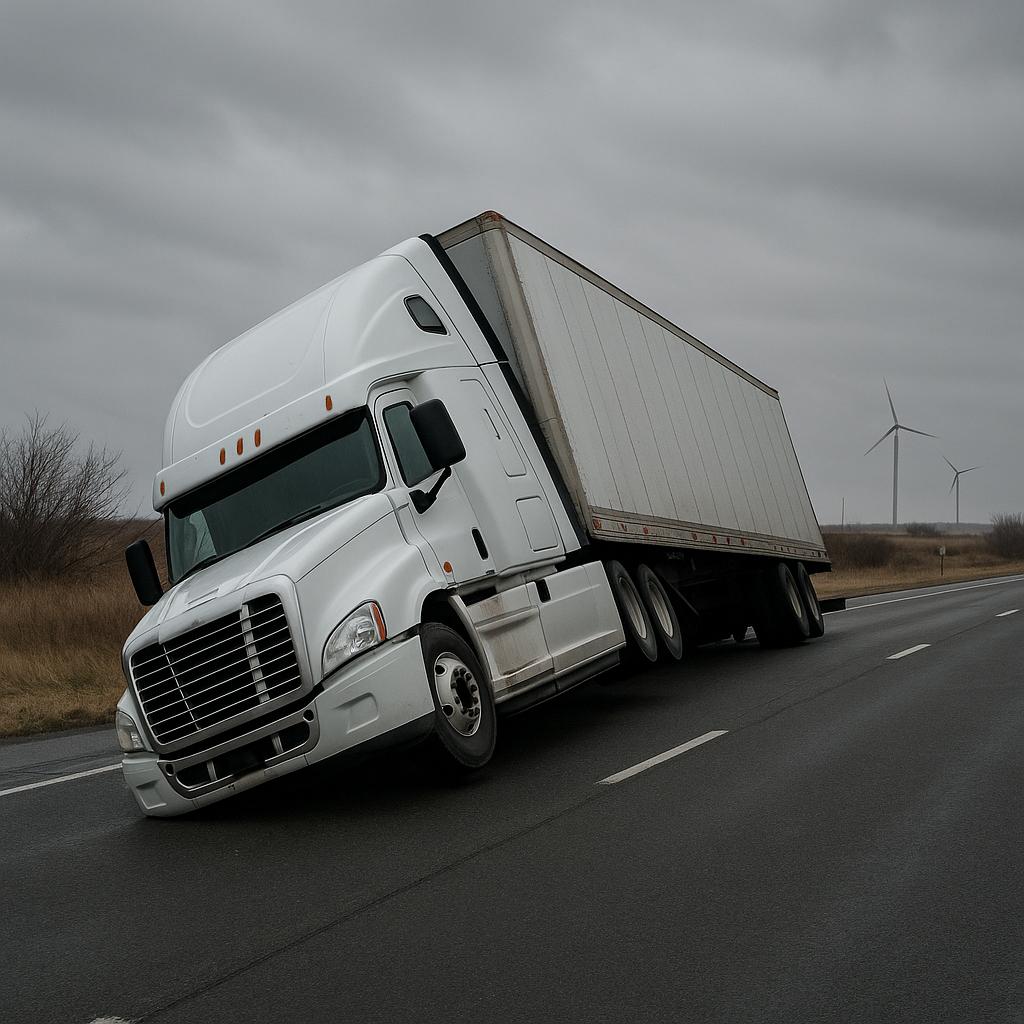
How Wind Gusts Affect Semi Truck Stability in Nevada
Overview of Nevada’s Weather and Road Conditions
Nevada is known for its dramatic landscapes, stretching from the high deserts surrounding Reno to the arid basins near Las Vegas. Yet, while its scenic highways draw travelers year-round, Nevada’s weather can create treacherous challenges—especially for commercial drivers. Among the most significant threats are the strong, unpredictable wind gusts that sweep across the Silver State. These winds are not just a nuisance; they can be perilous for vehicles, particularly the large semi trucks that keep Nevada’s economy moving.
Nevada is no stranger to sudden, powerful winds. The state’s geography features broad valleys, open plains, and mountain passes. Weather systems racing in from the Sierra Nevada or the Rocky Mountains can accelerate as they funnel through these gaps, producing localized wind gusts well above average speeds. Major highways like I-80, US-95, and I-15 are particularly exposed, leaving long stretches where vehicles face little protection from side winds. This risk is magnified during Nevada’s frequent wind advisories and high-wind warnings, making it essential for drivers—especially those operating high-profile vehicles—to understand and respect the power of gusty conditions.
How Wind Gusts Affect Trucks Differently Than Cars
While all vehicles are affected by Nevada’s wind gusts, semi trucks (also known as tractor-trailers or big rigs) are far more susceptible to instability. This is due primarily to their size, shape, and weight distribution.
Surface Area and Profile
A fully loaded semi truck can measure upwards of 13 feet tall and 70 feet long, with a large vertical surface area. When a strong wind gust hits such a large “sail,” the force acts against the side of the trailer. Unlike passenger cars, which ride lower and present less surface area to the wind, a semi truck’s trailer acts almost like a giant billboard, catching far more wind. Lighter loads or empty trailers are even more vulnerable, as there is less weight to anchor the rig to the road.
Center of Gravity and Articulation
Semi trucks have a higher center of gravity compared to cars, making them inherently less stable. The articulation between the tractor and trailer can also contribute to instability—especially during sudden wind shifts. When a gust strikes, it may cause the trailer to sway, swing, or even jackknife if the force is strong enough and the driver cannot compensate quickly.
Braking and Maneuverability
Cars can, in theory, respond more quickly to sudden gusts due to their lighter weight and responsive handling. A semi truck, on the other hand, requires much more time and space to maneuver safely, making it harder to correct when a wind gust pushes it sideways. Depending on load and road conditions, even small corrective actions can be challenging to perform safely.
Why Crashes Can Become Severe Under These Conditions
The combination of Nevada’s open highways and sudden wind gusts significantly raises the stakes when trouble arises. Here’s why the results of wind-related instability in semi trucks can be particularly severe:
Rollover Risk
Perhaps the most dramatic danger wind gusts pose to semi trucks is rollover. When a broadside gust strikes, an empty or lightly loaded trailer may “tip” over, rolling the vehicle onto its side or even off the roadway. Rollover incidents often lead to severe vehicle damage, hazardous material spills (if applicable), and substantial delays for other road users.
Multi-Vehicle Collisions
A semi truck destabilized by a gust may veer into adjacent lanes or across the median. Given the size and mass of these vehicles, any secondary impact with passenger cars, other trucks, or road infrastructure can be catastrophic. Owing to the limited visibility or dust storms that sometimes accompany high winds in Nevada, these incidents can quickly escalate into pileups.
Response and Recovery Challenges
Truck crashes triggered by wind often occur in remote areas or stretches where emergency response can be delayed. This prolongs traffic disruptions and complicates recovery efforts, presenting additional hazards to stranded drivers and first responders already wrestling with harsh weather.
Increased Severity Due to Speed
Nevada highways, including the busy I-80 corridor and stretches of I-15, often have high speed limits. When combined with wind-affected loss of control, the forces involved in crashes are much greater, increasing the risk for both injuries and extensive property damage.
Common Seasonal Patterns in Nevada
Understanding when wind gusts are most likely in Nevada can help drivers stay vigilant. Several distinct weather patterns heighten wind risks:
Spring Windstorms
Nevada’s windiest period generally arrives in the spring, as differences in atmospheric pressure intensify across the region. Strong winds frequently develop ahead of and behind fast-moving cold fronts, bringing gusts that can exceed 60 miles per hour, particularly in the northwestern and central parts of the state.
Fall Cold Fronts
Autumn sees its share of blustery days, especially when cold air masses surge into the state and collide with lingering warm air. These systems can whip up strong crosswinds along I-80 and US-93.
Mountain Pass Vulnerability
Certain stretches—like the passes east of Reno or along US-50’s “Loneliest Road”—are considered wind-prone corridors. Drivers commonly encounter sudden, fierce gusts as they crest mountain ridges, where terrain channels and accelerates the airflow.
Dust Storms and Reduced Visibility
Nevada’s winds are often accompanied by blowing dust, particularly in arid regions after long dry spells. This dual threat not only destabilizes vehicles but also reduces road visibility, making quick corrective actions even more difficult for truck drivers.
Nevada’s Highways Demand Respect in Windy Conditions
The highways crisscrossing Nevada provide vital links for commerce, tourism, and local communities. Yet, the unique confluence of open terrain, high-profile vehicles, and frequent wind gusts creates a set of challenges that every driver—especially those behind the wheel of a semi truck—must take seriously.
Understanding how wind gusts affect semi truck stability is crucial for both safety and efficiency across the state. Awareness of seasonal wind patterns, recognition of the risks, and the adoption of safe driving practices can mitigate dangers on Nevada’s scenic yet sometimes unpredictable roads. Whether you’re a professional trucker or a passenger car driver sharing the highway, staying alert to changing wind conditions is key to keeping Nevada’s roads safe for everyone.