
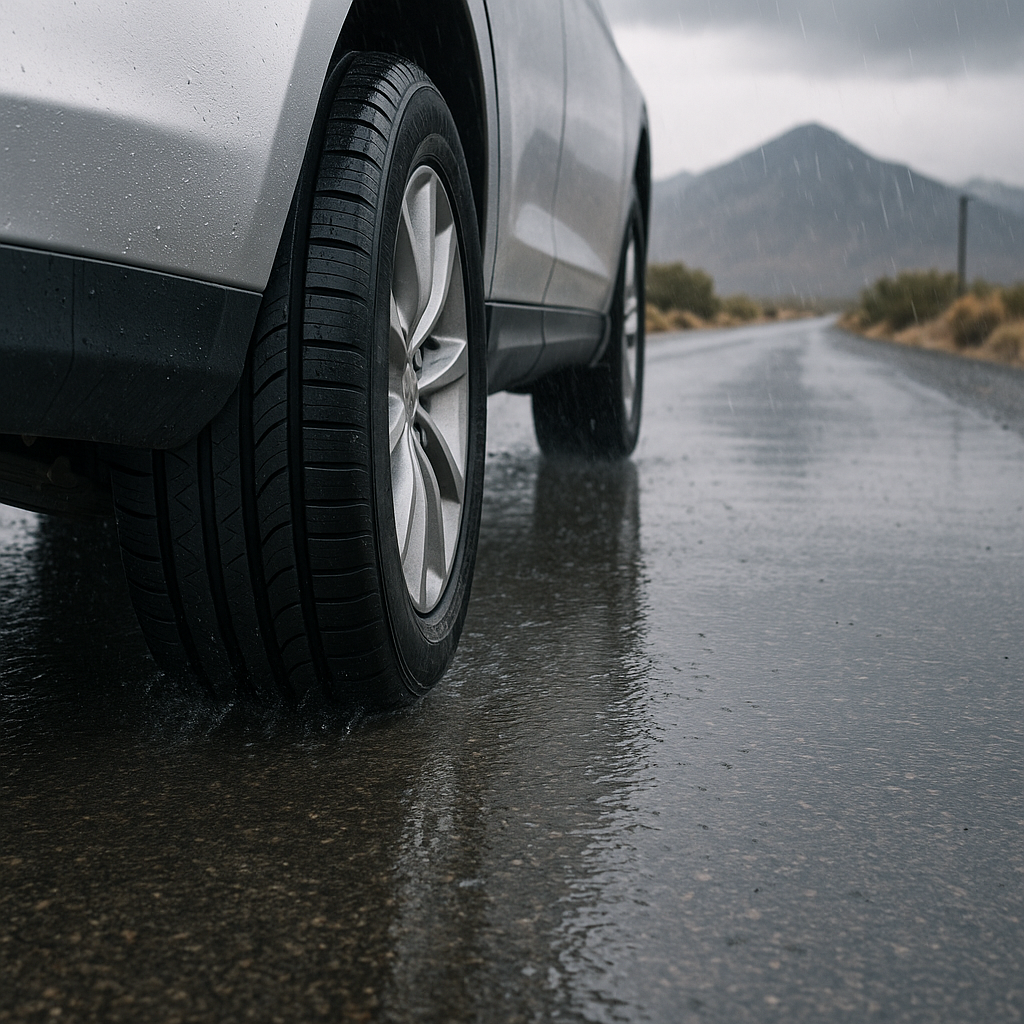
How Tire Tread Affects Safety in Nevada Rain
Driving in Nevada often conjures images of endless sunshine and miles of clear desert highway. However, rain — though less common than in other states — poses unique dangers to drivers. One critical aspect drivers should never overlook is tire tread safety in Nevada rain. Understanding how tire tread affects vehicle handling, especially in wet conditions, is essential for staying safe on Silver State roads. Let’s explore how rain impacts driving in Nevada, how this differs for trucks and cars, what makes wet weather crashes so hazardous, and which seasonal patterns drivers need to keep in mind.
Overview of Nevada’s Rainy Road Conditions
Nevada is among the driest states in the U.S., with cities like Las Vegas and Reno receiving significantly less rainfall than the national average. But when it does rain, the impact on road safety can be surprisingly severe. The arid climate means the earth and paved surfaces become “polished” over long dry spells, accumulating dust, oil, and debris. When finally wetted by rain, especially after a dry period, roads can turn slick almost instantly — sometimes becoming more dangerous than in regions where rain is routine.
Infrequent rainfall also means that Nevada drivers are often less prepared to adjust their driving habits for wet conditions. The modest amount of water can pool on top of hard, impermeable surfaces, increasing the risk of hydroplaning. That’s where the condition of your tire tread becomes crucial.
Tire tread refers to the patterns and grooves on the surface of a tire. These aren’t just for show — they channel water away from the tire’s contact patch with the pavement, maintaining grip and reducing the chance of sliding. Worn, bald, or improperly inflated tires can’t funnel water away effectively, compromising traction precisely when it’s needed most.
How Nevada Rain Affects Trucks Differently Than Cars
While rain is hazardous for any vehicle, trucks and passenger vehicles experience rain-slicked conditions in different ways, largely due to differences in design, weight, and tire construction.
Trucks
Trucks—both commercial and pickup varieties prevalent in Nevada—are heavier and often have larger tires than passenger cars. Despite this, they aren’t immune to wet-weather mishaps. Heavier vehicles can take longer to stop, especially on slippery roads. Additionally, trucks typically travel longer distances and may carry heavier loads, increasing the importance of optimal tire tread for traction and safe deceleration.
The tread patterns on truck tires are engineered to displace more water, but if these become worn or uneven, the risk of hydroplaning rises. Additionally, trucks’ higher centers of gravity can make them more susceptible to rollovers in the event of a skid. Commercial drivers traversing Nevada’s interstates during rainfall must be acutely aware of these heightened risks.
Cars
For passenger cars, small contact patches and lighter frames mean they can lose control more quickly when tire tread is inadequate. Cars with worn tires may hydroplane at lower speeds than trucks, since there’s less tread to channel the water. Sudden braking or turning on water-slicked Nevada highways, particularly when tread is thin, can lead to sudden and serious loss of control.
Why Rain-Related Crashes Can Become Severe
Nevada’s sporadic rainstorms can catch drivers off guard, but the combination of road conditions, vehicle characteristics, and human behavior often turns risky situations into severe crashes.
– Hydroplaning Risk: The most dangerous condition is hydroplaning, where a layer of water builds up between the tire and the asphalt, causing the driver to lose all traction and steering control. Even brief hydroplaning can lead to spin-outs or collisions, especially at freeway speeds.
– Reduced Stopping Distance: Worn tire tread dramatically increases stopping distances. In Nevada rain, where oily residues rise to the surface, brakes may not bite as expected, and tires may skid farther.
– Visibility Challenges: Rain reduces visibility; combine this with Nevada’s wide highways and sporadic lighting, and reaction times decrease.
– Chain-Reaction Collisions: Multi-car pileups are not uncommon when rain first hits after a dry spell. Drivers traveling too fast for conditions may not stop in time if a crash occurs ahead, leading to more severe consequences due to high initial speeds and closely packed traffic.
– Remote and Rural Risks: Many Nevada roads are remote, with long response times for emergency services. A crash in a rural area during or after rainfall can become especially hazardous if vehicles leave the roadway or if other drivers are coming at high speed, unaware of the accident ahead.
Proper tire maintenance—especially regular checks of tread depth and tire pressure—helps prevent these severe scenarios by maximizing the chances of grip and control.
Common Seasonal Patterns in Nevada
Understanding when and how rain most commonly affects Nevada drivers can help you prepare and maintain tire tread safety for Nevada rain.
Monsoon Season
Southern Nevada, including Las Vegas, is affected by the North American Monsoon. From roughly mid-July through mid-September, humid air from the south brings sudden, intense afternoon thunderstorms. These high-intensity storms can overwhelm drainage, flooding roads in minutes.
Rainfall following weeks of dryness means the first drops are especially hazardous, loosening built-up oils and grit that further reduce traction before being washed away by heavier rain. This is prime time when proper tire tread can make all the difference.
Winter Storms
In Northern Nevada, from late fall through early spring, Pacific storms can bring colder rains and even snowfall to valleys like Reno and Elko. While snow brings its own hazards, rain (especially following snowmelt) can accumulate on rural highways, causing unexpected hydroplaning hazards.
Occasional Showers and Localized Events
Outside of these core periods, Nevada weather is famously unpredictable. Pop-up showers can occur any time and sometimes catch drivers by surprise, especially in mountainous or canyon regions. Desert highways, with little natural drainage and few visual cues, become slick very quickly.
Tire Checks Before the Rainy Season
Given Nevada’s unique patterns of dryness punctuated by sudden rain, it’s wise to check your tire tread at the transition of each major driving season. For example:
– Before the first monsoon storm, ensure tread depth is above the minimum safe threshold (generally 4/32 of an inch for wet conditions).
– After a summer’s road-tripping, check for uneven or excessive wear.
– Before winter, ensure tire pressure is appropriate as colder air can decrease tire pressure and performance.
Staying Safe in Nevada’s Wet Conditions: The Bottom Line
While rain may be sporadic in Nevada, its impact on road safety is outsized due to the state’s long dry spells and unique driving conditions. Tire tread safety in Nevada rain is a key factor you can control: maintaining sufficient tread depth ensures water is channeled away from your tires, limiting your risk of hydroplaning and improving your ability to stop safely in wet conditions.
Both truck and car drivers face distinct challenges when rain falls, from increased stopping distances to rollover risk. Nevada’s seasonal weather patterns mean that drivers must stay vigilant, regularly check their tires, and adapt to conditions, particularly after dry spells when the roads are most slippery. Staying informed and proactive about your tires can make each trip safer, rain or shine, on Nevada’s open roads.