
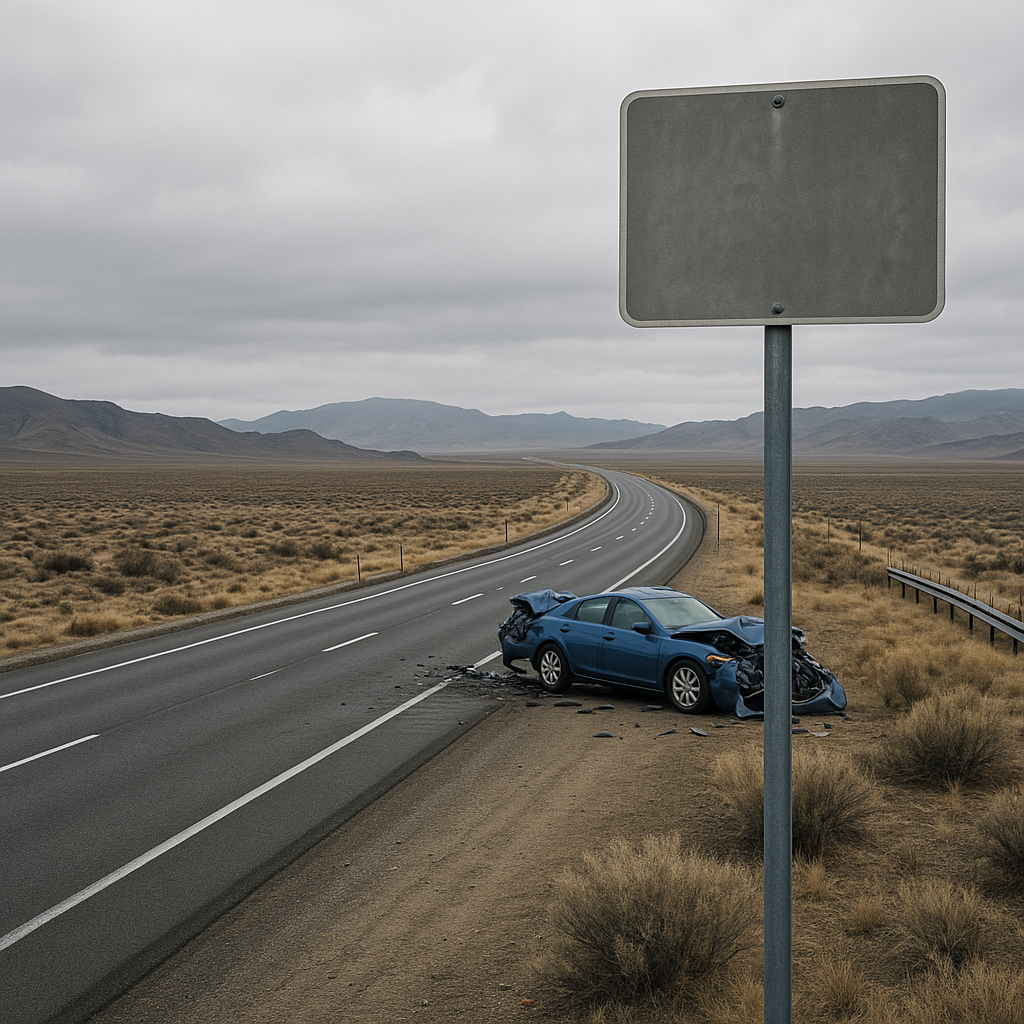
How Missing Signs Increase Crash Risk on Nevada Highways
Highway travel across Nevada’s vast and varied landscape can be a challenge even under the best circumstances. As the Silver State stretches from the Sierra Nevada mountains to the high desert, drivers routinely face everything from blinding dust storms to fierce summer heat. Amid these elements, road signage plays a crucial role in directing, warning, and informing motorists. When essential road signs go missing, the risk of crashes on Nevada highways rises significantly—a problem that affects both locals and the millions of tourists traversing the state each year.
Overview of Nevada’s Challenging Road Conditions
Nevada’s highways traverse some of the country’s most rugged, remote, and diverse terrain. Weather conditions can range from intense summer heat topping 110°F in the south, to icy winter conditions in the north and higher elevations. Visibility-reducing dust storms sweep across desert flats, rain can create slick road surfaces, and mountain passes are subject to sudden snow or fog.
Compounding the natural challenges, long stretches of highway pass through uninhabited or sparsely populated regions with limited roadside services. Under these circumstances, reliable highway signs are vital—they warn drivers of upcoming curves, speed changes, construction zones, sudden stop requirements, and more.
When signs go missing due to theft, vandalism, weather damage, or simple wear and tear, they leave gaps in crucial information. Drivers may inadvertently speed through construction zones, miss sudden turns, or fail to slow for wildlife crossings. On fast-moving highways like I-80 or I-15, these errors can have costly, even fatal, results.
How Missing Signs Affect Trucks Differently Than Cars
Large trucks—ubiquitous on Nevada highways given the state’s role as a commercial and logistic hub—face unique hazards when signage is missing. Trucks have longer stopping distances, greater blind spots, and less maneuverability compared to passenger vehicles. When signs indicating curve severity, grade changes, or lane merges are absent:
– Reduced Reaction Time: Truck drivers rely heavily on advance warnings. Without them, their already-long stopping times may be insufficient for unexpected changes.
– Increased Jackknifing and Rollover Risk: Curves, grades, and sudden stop requirements are dangerous for trucks, especially when unanticipated. Missing signage may mean approaching these hazards at unsafe speeds.
– Hazardous Material Hazards: Nevada highways frequently see trucks hauling hazardous materials. Inadequate warning increases the chance of dangerous materials spills during crashes.
Passenger vehicle drivers may be able to react more quickly or take evasive action, but even they are at greater risk when the path ahead isn’t clearly marked, especially at night or in low-visibility conditions.
Why Crashes Can Become Severe Under These Conditions
The absence of critical signs doesn’t just boost crash risk; it makes accidents more likely to result in severe injury or damage. Here’s why:
– Higher Speeds: Without warning of upcoming hazards—like a sharp curve or reduced speed zone—drivers may enter unsafe areas too quickly, leading to loss of control.
– Chain Collisions: On highways, especially with limited visibility or during inclement weather, a single missed warning can trigger multi-vehicle pileups.
– Remote Locations: Many Nevada highway stretches are isolated. Emergency response times are longer, so crashes result in more severe outcomes before help arrives.
– Driver Fatigue and Inattention: Long, monotonous highways can lull drivers into inattentiveness. Without signage to refocus attention or alert them to changes, inattentive drivers are at even greater risk.
Public safety experts agree: missing warning signs, regulatory signs (like STOP or YIELD), and guidance signs all raise the odds that any crash will occur—and that its results will be more serious.
Common Seasonal Patterns in Nevada
The challenges of missing roadway signs are amplified by Nevada’s distinct seasonal weather patterns, each bringing unique hazards.
Winter (November–March):
Northern and higher-elevation highways (such as US 50 through the Mountain West) may be snow- and ice-covered, with frequently obstructed or missing signage due to snow buildup, plowing, or weather damage. Missing “icy bridge” or “chains required” signs contribute to slide-offs and collisions.
Spring (April–May):
Spring brings windstorms and dust events—especially in the southern deserts. Blowing sand can obscure existing signs or reveal new hazards where signs are not present, just as travel picks up for events like the Reno River Festival or road trips to Lake Tahoe.
Summer (June–August):
Scorching temperatures can cause pavement buckling and damage, sometimes resulting in emergency repairs. Temporary signs are often relied on to guide drivers through new construction or detours. When these are missing or misplaced, crash risk spikes, especially for out-of-state drivers unfamiliar with the routes.
Fall (September–October):
Golden aspens in mountainous areas attract sightseers, while the return of school and increased truck traffic after summer can converge. Construction projects often reach completion in the fall, meaning signage may be missing during the crucial transition back to normal traffic flow.
Regardless of the season, vandalism and theft of metal signs remain perennial issues on remote highways. Limited resources and long distances mean that replacing or repairing signs can take longer than in urban areas. This means the window of elevated risk can persist for days or even weeks.
Conclusion: Vigilance and Maintenance Save Lives
Nevada’s highways are the lifeblood of its economy and culture, connecting communities and linking the state to the broader West. Proper signage is essential for the safe, efficient movement of vehicles—especially in regions where weather and terrain already pose steady risks. When missing signs increase crash risk on Nevada highways, all drivers—locals and tourists, truckers and motorists—are impacted.
Although local and state agencies work tirelessly to monitor and replace damaged or missing highway signs, the combination of climate, terrain, and distance means that there will always be windows of heightened vulnerability. It falls to every driver to remain vigilant, adjusting speed and attention for the conditions—particularly when signage is unclear or absent. In the ever-changing environment of Nevada highways, awareness and preparedness are the best tools for staying safe on the road.