
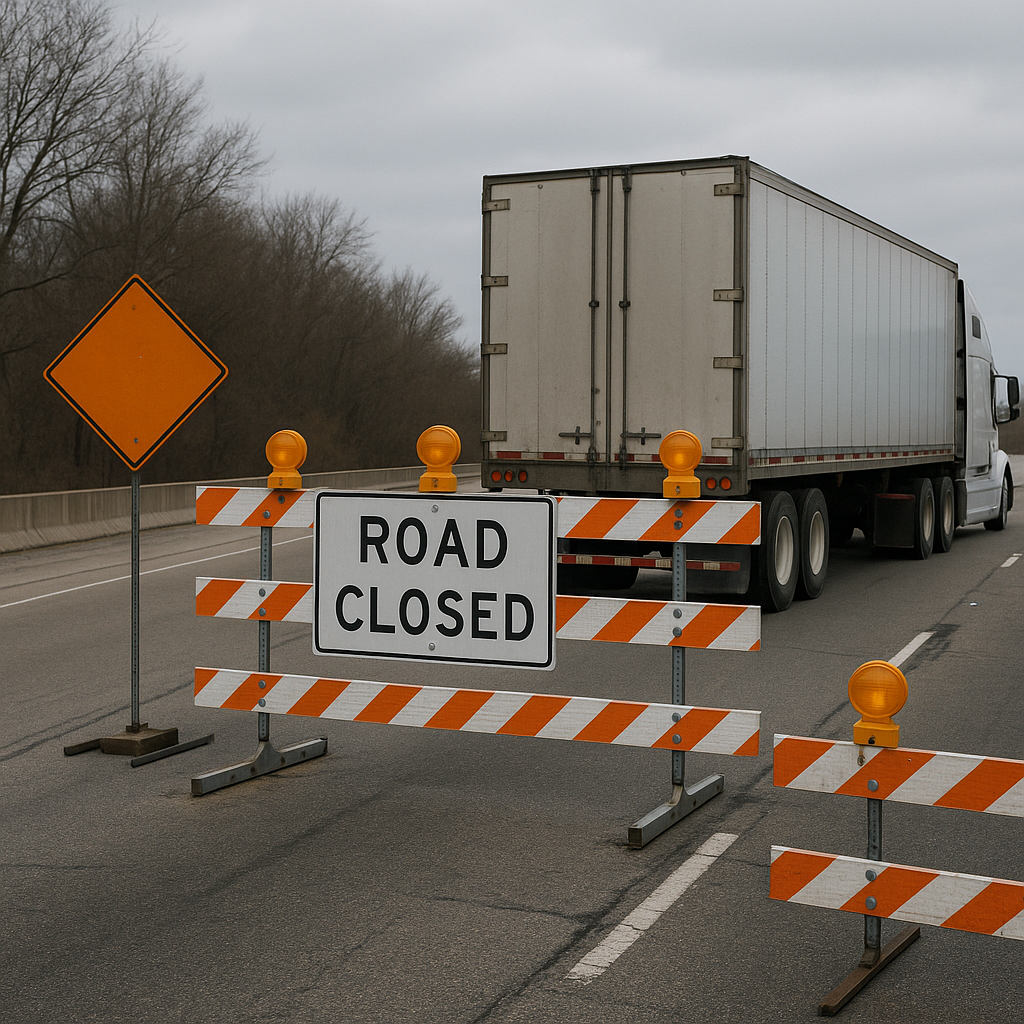
How Road Closures Affect Semi Truck Traffic Flow in Nevada
Nevada’s highways are the veins of commerce across the Silver State, connecting communities and fueling the state’s economy. But when adverse weather, accidents, or construction projects force road closures, the ripple effects on traffic—especially for large commercial vehicles—can be dramatic. Understanding how road closures affect semi truck traffic flow is essential for drivers, fleet managers, and anyone who depends on Nevada’s extensive transportation network.
Overview of the Nevada Road Condition Factor
Nevada’s unique landscape combines vast stretches of arid desert, high mountain passes, and unpredictable weather patterns. Interstate 80, I-15, US 93, and other major arteries stretch for hundreds of miles with limited service areas. In summer, intense heat can cause pavement distress or spark wildfires, leading to emergency shutdowns. Winter brings blizzards to mountain passes near Ely, Elko, and the Tahoe region, sometimes resulting in chain requirements or full closures. Additionally, flash flooding in southern Nevada can wash out rural roads with little notice.
Construction projects also play a big role in road closures. Expanding lanes on busy stretches of I-515 or resurfacing rural highways in northern Nevada often require temporary changes or full shutdowns. These disruptions—whether weather- or construction-related—immediately send ripple effects through Nevada’s freight corridors.
How This Condition Affects Trucks Differently Than Cars
When roads close, detours can be challenging for any driver, but semi trucks face unique obstacles that smaller vehicles do not. Here’s how road closures affect semi truck traffic flow in Nevada specifically:
Detour Limitations
While a car can often navigate surface streets, semi trucks rely on routes capable of handling their size, weight, and cargo. Nevada’s alternate highways may have lower weight capacities, tighter turns, or low-clearance bridges unsuitable for 18-wheelers. In remote areas, there simply may not be alternative highways within a reasonable distance, meaning trucks must halt until the main route reopens.
Increased Congestion
If a primary road closes—such as a major interstate—traffic is rerouted to secondary roads. This quickly leads to bottlenecks, as narrow or single-lane roads are overwhelmed by surges of trucks and cars. Large vehicles need more space and time to accelerate, decelerate, or navigate tight spots, so even a small increase in semi truck density can dramatically slow traffic compared to passenger vehicles.
Hours-of-Service Restrictions
Truck drivers must comply with federal hours-of-service rules, limiting their driving time to ensure safety. Unexpected delays from closures can cause drivers to run out of legal hours before reaching rest areas, creating logistical headaches. Unlike car drivers, truckers can’t simply “push through” a long detour without risking violations.
Impact on Freight Deliveries
Because semi trucks are essential for restocking stores, supplying factories, and transporting goods across the state, any prolonged closure can have economic impacts. Detours may add hundreds of miles to a route, driving up fuel costs and delaying deliveries to cities like Reno, Las Vegas, or rural outposts dependent on timely shipments.
Why Crashes Can Become Severe Under These Conditions
Nevada’s road closures are often tied to hazardous weather or accidents, setting the stage for dangerous situations—especially for semi trucks.
Challenging Maneuvering
Extended closures and narrow detours create precarious situations for trucks, which have long braking distances and large blind spots. Merging back onto main highways after a closure, or navigating alternate routes not designed for heavy trucks, increases the likelihood of jackknifing, rollovers, or multi-vehicle collisions.
Reduced Visibility and Traction
Nevada’s sandstorms, snow squalls, and sudden downpours are hazardous for all drivers. However, the sheer size and inertia of loaded semis make stopping on slick or sandy pavement more difficult. Truck drivers must anticipate conditions miles ahead, but sudden slowdowns from bottlenecked traffic can lead to rear-end collisions or loss of control.
Emergency Stopping and Parking Hazards
Long delays during road closures sometimes force truck drivers to park on the highway shoulder or at unofficial rest spots, creating further hazards for passing vehicles and complicating recovery efforts if a crash occurs in these areas.
Chain Reactions
When multiple trucks are queued up due to a closure, a minor incident can quickly escalate. An initial fender bender in slow-moving or stopped traffic can result in a chain reaction involving several semi trucks, causing severe damage, blocking roads for extended periods, and posing dangers to emergency responders.
Common Seasonal Patterns in Nevada
The frequency and nature of road closures that affect semi truck traffic flow in Nevada often follow distinct seasonal patterns:
Winter (November–March)
Highways near the Sierra Nevada and throughout northern Nevada can close due to heavy snowfall, icy roads, or whiteout conditions. Chain-up laws are strictly enforced on routes like I-80 through the Donner Pass and Mt. Rose Highway. Semi truck drivers must monitor forecasts and be prepared for sudden shutdowns.
Spring (April–June)
As snow melts, flooding can close roads, especially in low-lying areas or where rivers swell. Rural gravel roads may become impassable or require weight restrictions, limiting semi truck access.
Summer (July–September)
Extreme heat can damage pavement and trigger wildfires, leading to rapid closures and long detours around burn zones—especially along I-15, a major freight route between Las Vegas and California. Road construction is most active in summer, with lane reductions or closures on key corridors.
Autumn (October)
Weather is generally milder, but early snowstorms can surprise truckers, and some highways begin nightly closures for pavement repairs or snow preparation.
Conclusion
Road closures affect semi truck traffic flow in Nevada far more acutely than they do for passenger vehicles. The state’s vast distances, variable weather, and limited alternative routes make detours especially challenging for commercial drivers. Recognizing these dynamics helps residents, business owners, and motorists better understand the complexity of freight movement—highlighting the critical role safe, efficient highways play in keeping Nevada running smoothly. By staying alert to seasonal trends and real-time road conditions, everyone can help ensure that Nevada’s essential goods keep rolling, no matter what curveballs the road throws their way.