
How Nevada Storms Increase Driver Fatigue Risk
Overview of the Nevada Weather or Road Condition Factor
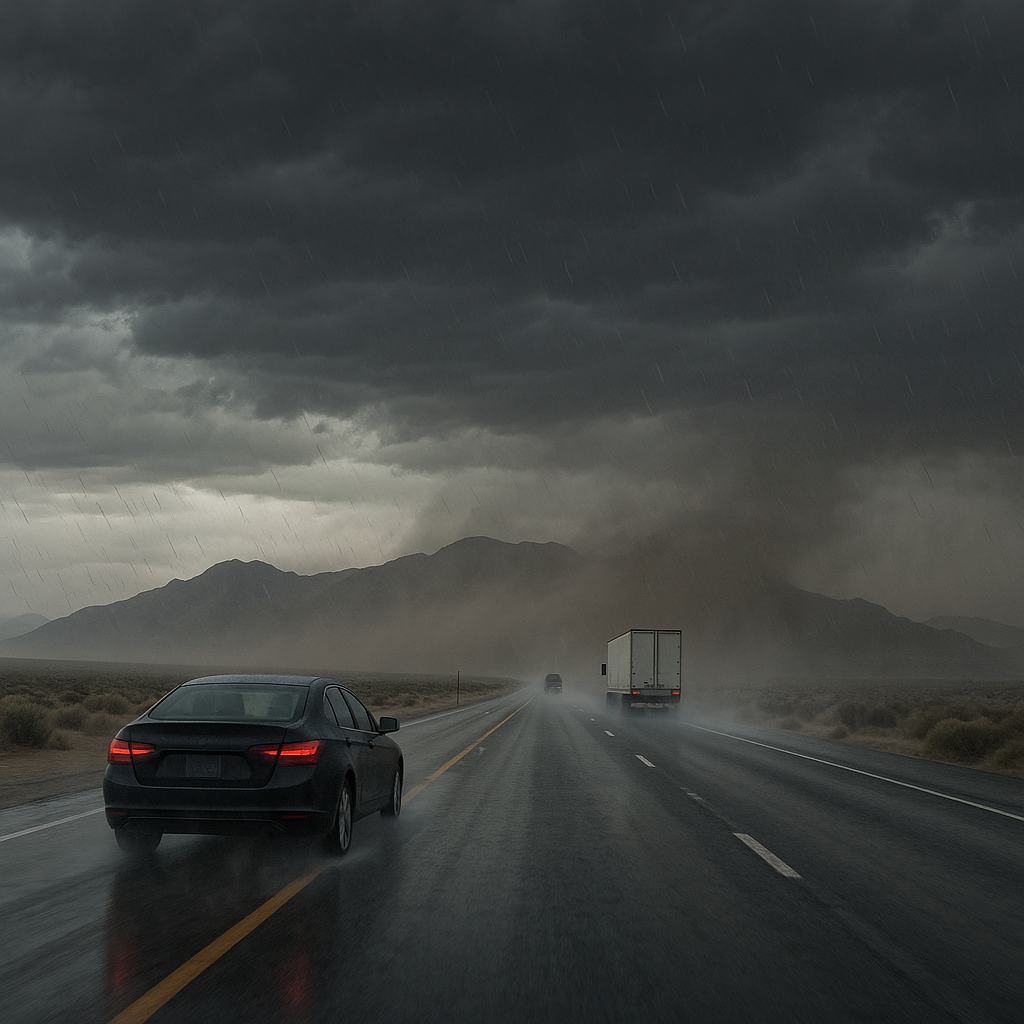
Nevada is a state defined by its extremes: vast deserts, sweeping mountain ranges, and dramatic shifts between hot, dry days and cold, turbulent weather systems. While many envision Nevada as perpetually sunny, the region routinely experiences storms—ranging from sudden rain showers and heavy snowfall in the mountains to fierce windstorms across open highways. These events are not just visual spectacles; they can significantly impact road safety, particularly by increasing the risk of driver fatigue.
Stormy conditions in Nevada commonly result in reduced visibility, slick roadways, and sudden changes in driving conditions. Dust storms, or “haboobs,” can quickly obscure vision on highways. In higher elevations, hail and snow frequently blanket roads, particularly along major passes like those traversing the Sierra Nevada and Ruby Mountains. Even in the arid basins, rapid rain can cause flash flooding, briefly but dramatically altering normal road surfaces.
Under these unpredictable storm patterns, drivers are forced to remain hyper-alert—a state that, when sustained during long drives, rapidly leads to mental and physical fatigue. Fatigue can greatly diminish reaction times and decision-making abilities, raising the likelihood of crashes. Understanding how Nevada storms increase driver fatigue risk is vital for motorists, especially those traveling the state’s expansive and isolated highways.
How This Condition Affects Trucks Differently Than Cars
Commercial trucks are a common sight on Nevada’s interstates, moving goods across the state and beyond. These vehicles, due to their size, weight, and operating demands, are uniquely affected by stormy conditions.
First, truck drivers typically cover hundreds of miles per shift, spending long hours at the wheel. During storms, these hours become more taxing. Visibility is already lower for truck drivers due to the higher cab position and large side mirrors, and storm-driven dust, snow, or rain can further obscure their sightlines. Wind gusts—a frequent occurrence in Nevada storms—can also make it difficult to control high-profile vehicles like tractor-trailers, requiring drivers to constantly adjust steering and speed.
Additionally, braking distances increase dramatically for heavy trucks, especially on wet or icy Nevada highways. Drivers must remain vigilant for sudden changes in road traction or hidden patches of ice. Maintaining this level of concentration for extended periods quickly drains mental energy, compounding normal fatigue.
As a result, Nevada storms increase driver fatigue for truckers to a much higher degree than for car drivers. The stakes are elevated not only due to the physical demands but also due to the increased responsibility. Truck drivers must monitor both their vehicle’s dynamics and the ever-changing environment around them—all while often adhering to strict delivery schedules that may encourage pushing onward through challenging conditions.
Why Crashes Can Become Severe Under These Conditions
When storms combine with driver fatigue, the outcome can be especially severe. There are several factors unique to Nevada’s roads and weather that amplify the consequences of fatigued driving during storms:
– Isolation and Long Distances: Nevada’s highway stretches can run dozens of miles between towns or rest stops. In stormy conditions, the monotony of long, straight roads increases the risk of zoning out, micronapping, or losing track of speed and position—especially for fatigued drivers.
– Limited Emergency Options: Sparse population and limited services mean that immediate help in the event of a crash may be far away. This can elevate the risks associated with even minor accidents, as injured persons may have to wait longer for assistance.
– Reduced Traction and Visibility: Rain can quickly give way to hydroplaning, while snow and ice make sudden braking hazardous. Dust storms can reduce visibility to zero within seconds, making chain collisions more likely if drivers are not fully alert.
– Truck Crash Severity: Heavy trucks, when involved in crashes, often cause more damage due to their sheer mass. In storm conditions, a fatigued truck driver may not be able to correct in time to avoid jackknifing, rolling over, or colliding with other vehicles.
Combining these factors, it becomes clear that during Nevada storms, the interplay between hazardous road conditions and increased driver fatigue can quickly escalate incidents from minor mishaps to severe, multi-vehicle collisions.
Common Seasonal Patterns in Nevada
Understanding when Nevada storms are most likely to strike can help drivers prepare and possibly avoid the worst risks of fatigue-related crashes.
– Winter Storms: From November through March, the Sierra Nevada and surrounding highlands see substantial snowfall. Blizzards and whiteout conditions are common, particularly on routes like I-80 west of Reno and US-50 through central Nevada. Snow accumulation and ice patches challenge even the most experienced drivers, demanding constant vigilance.
– Spring Winds and Dust Storms: In late spring, high desert winds sweep through Nevada, kicking up dust and debris. Areas around Las Vegas, Winnemucca, and Ely are particularly prone. Dust storms can spawn out of seemingly clear days, quickly reducing visibility and stressing drivers as they attempt to navigate through blinding conditions.
– Monsoon Rains: During late summer, monsoonal moisture can lead to intense thunderstorms, especially in southern Nevada. Flash flooding is a genuine hazard, rapidly transforming dry washes into torrents that can sweep away vehicles. Heavy rain also leads to slick highways and requires heightened attention.
– Year-Round Unpredictability: While storms follow seasonal patterns, Nevada’s weather is notoriously capricious. Sudden wind gusts, pop-up thunderstorms, or brief squalls can occur at virtually any time, demanding that drivers always remain prepared.
Awareness of these patterns allows drivers to schedule rest breaks more effectively, plan alternate routes when possible, and avoid driving through known hotspots during peak conditions. Nevertheless, the state’s geography and climate mean that unpredictable storms—and the resulting risk of increased driver fatigue—are part of the Nevada driving experience year-round.
Conclusion
Nevada’s distinctive weather patterns—from blizzards and rainstorms to blinding dust squalls—pose significant challenges for motorists, especially due to the unique geography of the state’s highways. These stormy conditions not only make driving physically and mentally taxing but also significantly increase the risk of fatigue-related crashes, particularly for those operating large commercial vehicles. By understanding how Nevada storms increase driver fatigue, both residents and visitors can take proactive steps to minimize risks—such as planning routes carefully, staying updated on weather forecasts, and taking breaks during hazardous weather. While it’s impossible to control the weather, being aware of its impact can help all drivers travel Nevada’s scenic—and sometimes stormy—roads a little more safely.