
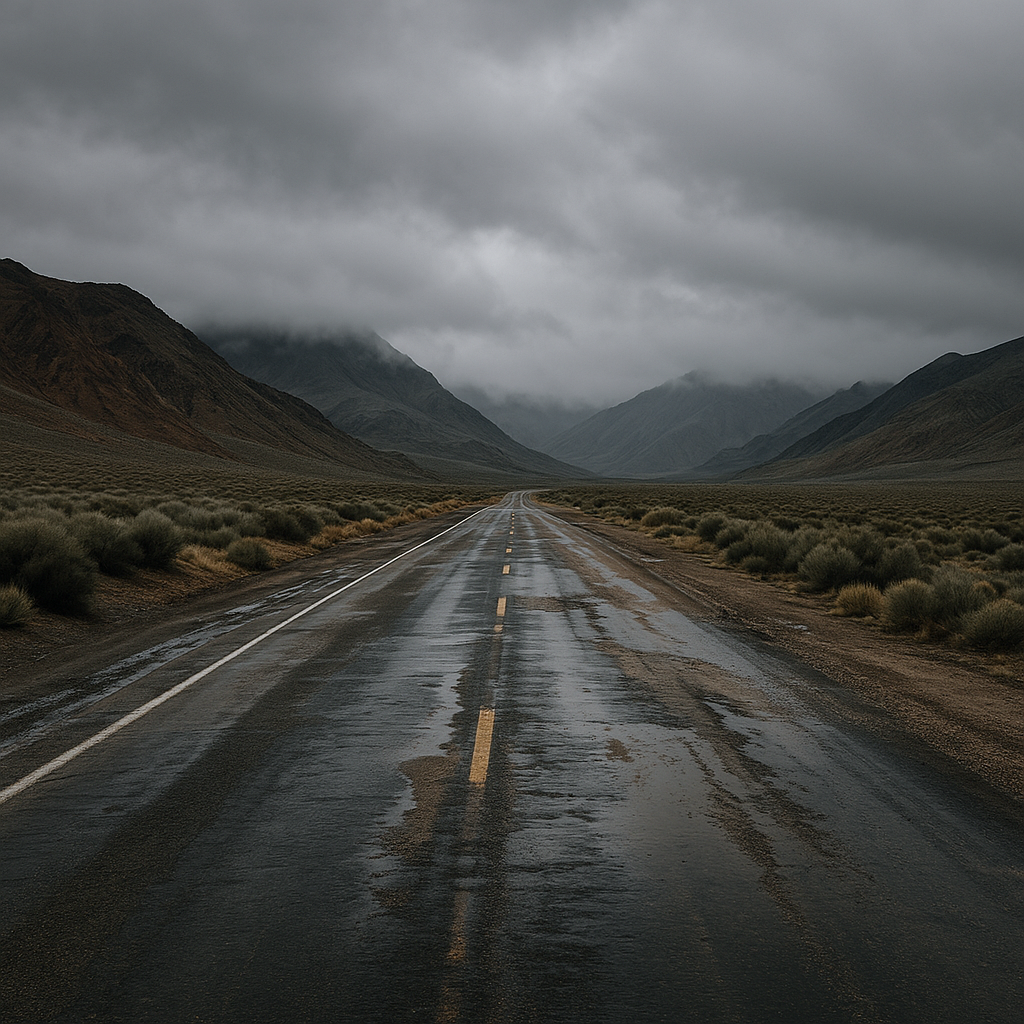
How Nevada Road Conditions Change After Storms
Overview of the Nevada Weather or Road Condition Factor
Nevada is well-known for its desert landscapes, dramatic mountain ranges, and sprawling rural highways. However, the state’s distinctive climate and geography mean that road conditions can shift dramatically after a storm. Unlike regions with consistent rainfall, Nevada experiences sudden, intense storms that often occur as rain, snow, or even hail. When these events strike, the state’s roads—often designed for dry, sunny conditions—become unpredictable and sometimes hazardous.
A key factor is that Nevada’s arid soil is less capable of absorbing moisture. Stormwater tends to accumulate rapidly, sometimes washing over roadways or pooling in low-lying areas. In northern Nevada, snowstorms can quickly blanket highways, while southern Nevada is more prone to flash flooding due to its desert climate. Meanwhile, the elevation and temperature swings characteristic of places like Reno and Lake Tahoe add another layer of complexity, as precipitation may alternate between rain and snow, creating ice in a matter of hours.
Because storms in Nevada are often short-lived but intense, the road conditions can change from safe to perilous within minutes. Drivers may face water, mud, rocks, ice, or debris, all of which require quick adjustments in driving style. The Nevada Department of Transportation (NDOT) frequently issues road condition updates, but nothing can substitute for local awareness and caution as the weather changes.
How This Condition Affects Trucks Differently Than Cars
The aftermath of a Nevada storm presents unique challenges for trucks compared to cars. Trucks, including semis and commercial vehicles, have a higher center of gravity and a much longer stopping distance, making them particularly vulnerable under wet, icy, or debris-littered conditions.
For example, after a thunderstorm in southern Nevada, flash flooding is a significant hazard. Large trucks may have more difficulty stopping or maneuvering through standing water than passenger cars. The size and weight of a truck mean it can displace more water and potentially hydroplane just like a car, but the consequences of a loss of control are often more severe, given the vehicle’s momentum.
In northern Nevada, snowstorms introduce another set of risks. Trucks are often equipped with chains or special tires, but icy grades—especially around mountainous areas—can still be difficult to navigate. A jackknifed semi can block critical highway routes, causing major delays and compounding the danger as other vehicles face additional hazards navigating around the obstruction.
Additionally, after a storm, debris such as rocks and mud may have slid onto the highway, especially along the passes in the Sierra Nevada or areas with steep grades. While passenger cars might swerve or brake to avoid these obstructions, trucks need more distance and room to respond safely. The risk of collisions or rollovers is notably higher for trucks under these circumstances.
Why Crashes Can Become Severe Under These Conditions
Crashes on Nevada’s roads can quickly escalate in severity after a storm for several reasons:
1. Sudden and Unexpected Hazards
Flash floods, rock slides, and black ice can materialize rapidly. Drivers may not have time to react, especially on high-speed rural highways where visibility and road surfaces can change over short distances.
2. Reduced Traction and Visibility
Storm runoff, mud, or snow dramatically reduces tire traction. In the case of rain following a long dry spell, Nevada’s roads can become extremely slick as oils build up and then release all at once. For both cars and trucks, stopping distances increase, and the likelihood of skidding or hydroplaning rises.
Fog or heavy rain can also limit visibility, making it harder for drivers to spot hazards until it’s too late to avoid them. Long stretches of highway, especially in rural areas, might not have adequate street lighting or reflective markers, making the problem worse at night.
3. Secondary Hazards and Chain Reactions
Even a minor initial collision can create a domino effect. For example, a vehicle stopped after hitting floodwater on I-15 near Las Vegas could be struck by vehicles coming upon the scene at highway speeds. A single jackknifed truck or spinout can block traffic lanes and divert other drivers into hazardous shoulders or ditches.
Emergency response times can also be longer in rural Nevada, increasing the risk that crash victims may not receive immediate aid. Additionally, lingering water and rapidly dropping temperatures at night can freeze runoff, turning prior-standing water into black ice by morning.
Common Seasonal Patterns in Nevada
Winter: Snow and Ice
From November through March, northern Nevada is particularly likely to experience snowstorms, sleet, and ice. Roads around Reno, Elko, and Lake Tahoe can accumulate several inches of snow in a single event. Icy patches often form overnight, especially in shaded mountain passes. The Nevada Department of Transportation frequently deploys snowplows and applies de-icing materials, but rapid weather changes can quickly outpace maintenance efforts.
Spring: Sudden Showers and Runoff
Spring can bring sudden storms to both the northern and southern portions of the state. Melting snow adds to volume in streams and rivers, occasionally leading to localized flooding. Rural roads, especially those with inadequate drainage, may suffer washouts or slide debris onto the roadway.
Summer: Flash Floods and Dust Storms
Summer thunderstorms, especially prevalent in southern Nevada, frequently cause flash floods. The hard-baked desert soil is highly impermeable, meaning water runs off quickly and can overwhelm culverts and washes. In addition to flooding, summer storms might whip up intense dust, reducing visibility and complicating navigation further.
In urban areas like Las Vegas, stormwater can rise quickly along surface roads, leading to temporary closures or rerouting. Rural highways might be covered in inches of water in low points called “dips,” which drivers may underestimate at their peril.
Autumn: Transition and Unpredictability
In autumn, Nevada weather is often unpredictable. Early snowstorms in the mountains may coincide with rain in the valleys, and temperature swings can mean ice appears unexpectedly, especially at night or early morning. Fallen leaves, combined with moisture, can further reduce traction, particularly in mountainous regions.
Conclusion
Understanding how Nevada road conditions change after storms is crucial for residents and travelers alike. Whether it’s flash floods in the south, snow and ice in the north, or rockslides across mountain roads, post-storm hazards in Nevada are as diverse as the state’s landscape. By staying aware of weather forecasts and up-to-date road conditions from reliable sources like NDOT, drivers can prepare for quickly changing scenarios. While there’s no way to control the weather, adapting driving habits and exercising caution during and after storms can help assure safer journeys across Nevada’s striking but sometimes unpredictable roads.