
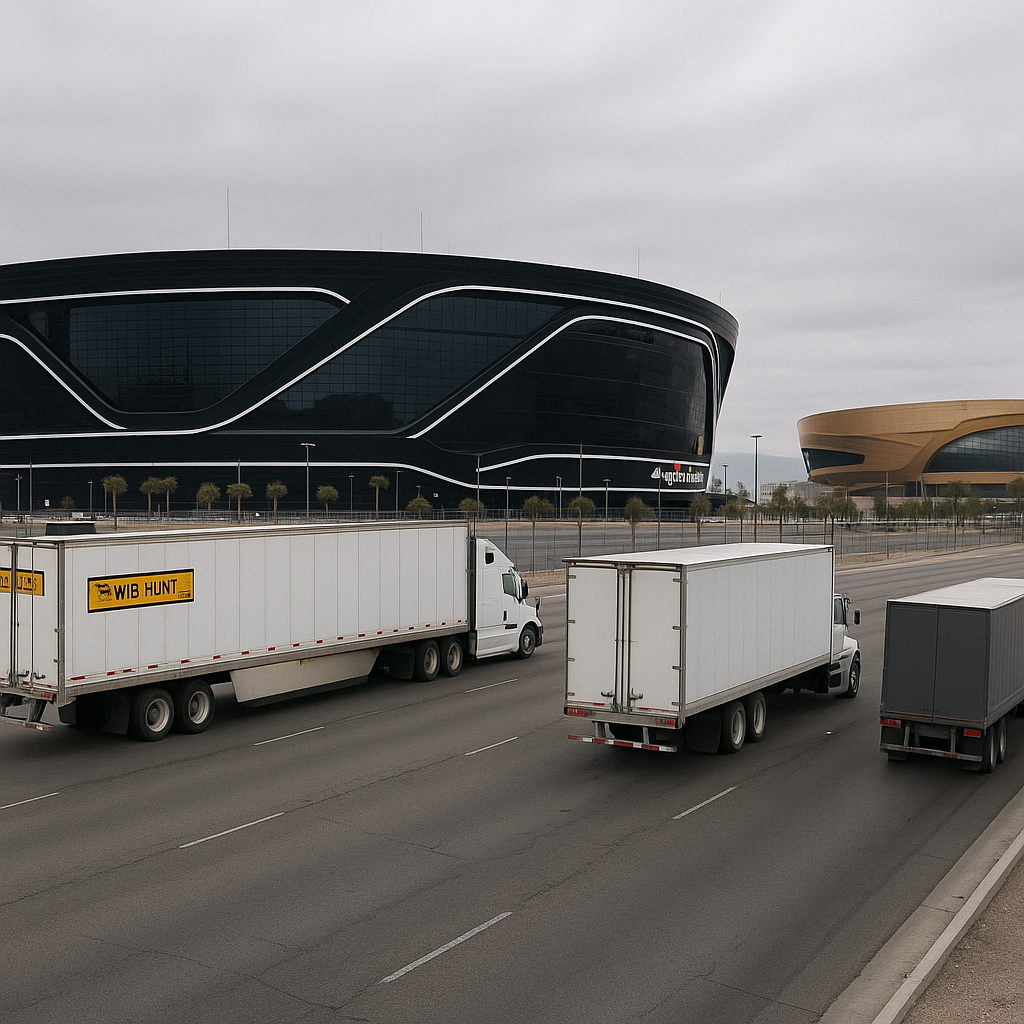
Freight Traffic Around Stadium and Arena Events in Nevada
Nevada is not only a state famous for its vibrant tourism and gaming industries but also home to several major stadiums and arenas that regularly host high-attendance events. With venues like Allegiant Stadium, T-Mobile Arena, the Thomas & Mack Center, and Reno’s Lawlor Events Center, Nevada’s roads see unique freight traffic patterns—especially during large-scale sporting events, concerts, and conventions. Understanding how freight traffic interacts with stadium and arena events is essential for local businesses, logistic companies, event organizers, and motorists.
Overview of the Freight Corridor or Trucking Activity
Nevada’s strategic location as a logistics hub connects California with the Mountain West and beyond. Interstate 15 (I-15) is the lifeblood of freight in Southern Nevada, serving as a major trucking corridor through Las Vegas and into California and Arizona. Key arteries like I-215, the Las Vegas Beltway (I-215 & Clark County 215), Tropicana Avenue, and Russell Road all see significant truck traffic, particularly around major entertainment venues.
Las Vegas, as the entertainment capital of the world, hosts hundreds of events annually. Allegiant Stadium (home to the Las Vegas Raiders and major concerts), located near I-15, and the T-Mobile Arena (a hotspot for NHL games, concerts, and award shows) are heavily impacted. These venues are frequently at the intersection of regular freight routes and the surge of event-related passenger vehicles, rideshares, and shuttles.
In Northern Nevada, the Reno-Sparks area is crossed by I-80, and lawlor Events Center hosts basketball games, concerts, and large-scale expos, with freight traffic primarily tied to manufacturing, warehousing, and event logistics.
Around all these venues, regular freight includes not only the day-to-day movement of goods—food and beverage deliveries, equipment for casinos and hotels, and regional distribution—but also event-specific freight. Semi-trailers, box trucks, and delivery vans bring everything from stage equipment to promotional materials to these bustling sites.
Common Truck Types and Freight Activity in the Area
Several types of trucks and freight activity are routinely encountered near Nevada’s stadiums and arenas, especially before, during, and after major events:
– 53-foot Semi-Trailers: Essential for transporting large volumes of commercial goods, merchandise, construction equipment, and event staging.
– Box Trucks: Frequently used by local food and beverage distributors, AV companies, and retail suppliers for day-of-event needs.
– Refrigerated Trucks (“Reefers”): Bringing perishable goods to concession stands, nearby hotels, and pop-up catering areas during events.
– Flatbed Trucks: Often tasked with transporting oversized set pieces, lighting rigs, and stages for concerts and festivals within stadiums.
– Courier-style Vans: Deliver urgent or specialty event supplies, signage, or hospitality amenities to venues.
During event load-in and load-out periods, truck traffic surges around loading docks and access roads directly connected to stadium and arena perimeters. These windows often overlap with regular service deliveries to hotels, restaurants, and casinos, compounding overall congestion.
Venues like Allegiant Stadium, situated close to major expressways, present particular challenges. Trucks delivering freight for the stadium must merge with regular freight traffic as well as hundreds (or thousands) of rideshare vehicles, taxis, and fans’ personal cars, all converging on the same roadways.
How Congestion or Merging Creates Risk
The convergence of freight and event-driven passenger traffic around stadiums and arenas introduces a range of risks on Nevada’s roads:
1. Weaving and Lane Changes: When passenger vehicles attempt to quickly enter or exit stadium-adjacent highways, it often overlaps with heavy trucks merging, making last-minute lane changes inevitable. Given the limited maneuverability and longer stopping distances of trucks, these situations can lead to rear-end collisions or sideswipes.
2. Unfamiliar Drivers: Eventgoers from out of state or city may be less familiar with local access points, inadvertently blocking loading docks, or making unexpected stops, which disrupts the usual flow of freight traffic.
3. Tight Timelines for Event Freight: Freight carriers on strict load-in/load-out schedules may encounter unexpected queuing or restricted access, creating logistical delays and raising the temptation to rush, which can heighten accident risk.
4. Pedestrian Volume: Large crowds often spill over curbs and sidewalks, especially when entering or leaving arenas. This pedestrian density presents unique risks for truck drivers maneuvering commercial vehicles in crowded, confined spaces.
5. Construction and Detours: Many Nevada venues are surrounded by ongoing urban development, meaning regularly shifting detour routes and temporary lane closures. For trucks with specific size or weight restrictions, planning alternative approaches can be especially challenging during stadium events.
Safety-related strategies—including pre-event communication among logistics companies, venues, and local traffic authorities, as well as smart scheduling of deliveries—help mitigate these risks. Nonetheless, event periods always require heightened awareness both from freight operators and other road users.
Time-of-Day and Seasonal Traffic Trends
The spikes in freight traffic and congestion around Nevada stadiums and arenas closely correlate with event schedules and local tourism peaks.
Time-of-Day Trends:
– Morning (5 a.m.–10 a.m.): Many stadiums and arenas receive freight deliveries in the early hours before event crowds arrive. However, this window can overlap with Las Vegas and Reno’s commuter rush hour.
– Afternoon (3 p.m.–6 p.m.): The build-up to evening games, concerts, or shows ramps up both car and truck traffic. Load-in for event setups often happens concurrently with after-work passenger flows.
– Evening to Midnight: While most regular freight activity diminishes, event-specific deliveries, post-event load-outs, and ongoing catering restocks keep traffic steady. Departure crowds can cause delays for time-sensitive outbound freight.
Seasonal Trends:
– Spring and Autumn: Busy tourism and convention seasons mean more frequent large events, increased freight movement, and higher overall traffic density.
– Summer: With a packed schedule of pool parties, concerts, and sports in indoor venues, certain corridors around places like T-Mobile Arena can see even more concentrated freight and passenger flows, particularly on weekends.
– Major Event Weekends & Holidays: Super Bowls, playoffs, music festivals, fight nights, and special conventions (like the Consumer Electronics Show) draw huge crowds and see corresponding spikes in both event and business-related freight traffic.
– Off-Season Periods: Some venues taper down activity in slower months, lowering freight demand temporarily, but Nevada’s year-round tourism ensures there’s rarely a true lull.
Freight companies and venue operators often coordinate delivery windows and routing in anticipation of these trends, but sudden spikes, unexpected delays, or last-minute changes to event plans still contribute to congestion risk.
Neutral Closing Paragraph
Navigating the dynamic interplay of freight traffic and stadium or arena event congestion in Nevada requires careful planning, flexibility, and ongoing coordination. The unique rhythms of event-driven logistics around these venues underscore the need for awareness among all road users. With Las Vegas and Reno continuing to grow as event destinations, staying informed about typical freight patterns and traffic trends can help everyone travel more safely and efficiently, whether moving freight or just heading out to enjoy the show.