
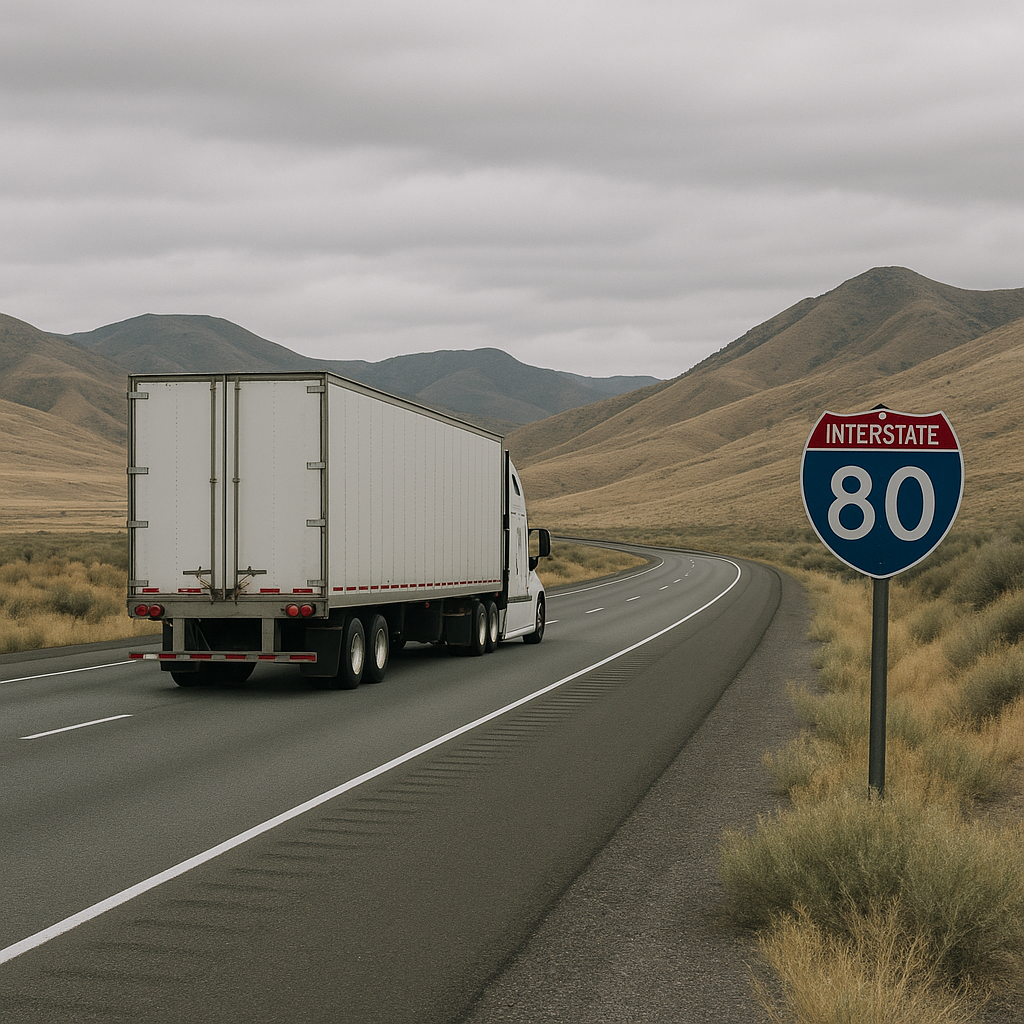
Summer Freight Traffic Changes in Nevada
Nevada’s unique geography and booming logistics sector make freight transportation a central part of the state’s summer activity. As temperatures rise, so does the movement of goods, with trucking corridors seeing surges in freight volume, congestion, and shifting safety concerns. Let’s explore how summer freight traffic changes in Nevada, what factors are at play, and how seasonal patterns shape everyday travel on the Silver State’s highways.
—
Overview of Nevada’s Freight Corridors and Trucking Activity
Nevada’s highway system is something of a lifeline for the Western United States. The state serves as a crossroads between California’s ports, the Intermountain West, the tech hubs of Utah, and the Pacific Northwest. Major corridors—including Interstate 80, Interstate 15, and US 95—are crucial arteries for commercial transportation.
I-80 spans Nevada from east to west, connecting Reno and Sparks to Salt Lake City. This corridor is heavily trafficked by long-haul trucks transporting goods between West Coast ports and midwestern destinations. I-15, running south from Las Vegas to the Utah border, is vital for traffic moving from Southern California through Las Vegas to points north and east. US 95 ties the southern tip of Nevada to the north, supporting regional freight in and out of mining areas, agricultural sites, and smaller cities.
The summer months increase freight movement for several reasons. Consumer demand rises with seasonal tourism, agricultural products need expedited shipping, and many industries aim to move goods before the weather turns harsh. Add ongoing construction projects and population growth, and it’s clear why summer is such a dynamic time for freight activity in Nevada.
—
Common Truck Types and Freight Activity in Nevada
Trucking in Nevada isn’t a one-size-fits-all operation. The type of trucks and cargo seen on the highways shifts throughout the year, but during summer, several categories stand out:
1. Long-Haul Tractor-Trailers:
These 18-wheelers, commonly seen on I-80 and I-15, haul everything from consumer goods to industrial equipment. During summer, expect to see even more of them moving produce, beverages, electronics, and building materials.
2. Refrigerated (“Reefer”) Trucks:
Summers in Nevada are notoriously hot, so any time-sensitive or temperature-sensitive deliveries—fresh foods, pharmaceuticals, or dairy—require refrigerated trailers. There’s a spike in these trucks to accommodate increased demand for cold storage during the hottest months.
3. Flatbed and Lowboy Trailers:
Construction season coincides with summer, leading to more flatbeds hauling heavy machinery, construction materials, and large structural components. With ongoing infrastructure upgrades throughout the state, flatbed activity increases on both highways and secondary roads.
4. Tanker Trucks:
Nevada’s mining, farming, and fuel industries rely on tanker trucks to transport liquids. During the summer, fuel deliveries rise due to increased traffic and tourism, evident at popular travel stops like Las Vegas and Reno.
5. Local Delivery and Distribution Trucks:
With Nevada’s urban areas, especially Las Vegas, seeing an influx of tourists in the summer, local delivery fleets multiply. These trucks move everything from hotel supplies to restaurant provisions at a heightened rate during the season.
All of these activities mean a more diverse—and denser—mix of truck types on Nevada roadways, each with distinct handling characteristics and operational needs.
—
How Congestion and Merging Create Risk
Interstate and major highway traffic isn’t just about raw numbers; it’s about how different vehicles interact. Summer brings both increased freight and passenger traffic. Out-of-state tourists, RVs, and rental vehicles unfamiliar with Nevada’s roadways combine with veteran truck drivers to create a complex driving environment.
Congestion:
Peak construction season often means lane closures or detours. When this happens on multi-lane highways like I-15 in Las Vegas or I-80 near Reno, trucks and passenger cars funnel into narrower stretches. Slowdowns result, particularly in urban areas or at highway junctions. Congestion increases the risk of rear-end collisions and “accordion” accidents as trucks require longer stopping distances.
Merging Traffic:
Summer is also peak time for weekend getaways, resulting in high merging activity at key interchanges and on-ramps. Many highways in Nevada aren’t designed for high-density merging, so truck drivers must quickly adapt to entering or exiting vehicles, which may behave unpredictably. On highways like I-15 south of Las Vegas, where freight and recreational traffic meet, this merging can lead to sudden braking or swerving.
Changing Truck Loads:
A fully loaded produce truck may behave very differently from an empty flatbed or a fuel tanker. Hot pavement can soften tires and pavement, increasing the chances of blowouts or rutting, which add additional risks—especially as more freight moves during the heat of summer.
Driver Fatigue and Heat:
Drivers, both in trucks and passenger cars, must contend with extreme heat, which leads to fatigue more quickly. Long stretches of open road between cities (such as on US 95) offer few stops, making driver drowsiness a genuine concern.
The interplay of all these factors means that everyone on Nevada’s highways during the summer must stay vigilant, particularly in areas where freight activity and congestion overlap.
—
Time-of-Day and Seasonal Traffic Trends
While freight moves through Nevada year-round, both the time of day and the season shape the nature and intensity of that movement.
Morning Commutes:
In urban hubs like Las Vegas, Reno, and Sparks, morning hours (6 am – 9 am) see both local delivery trucks and long-haul freight vying for space with commuter traffic. Construction crews also tend to start early in the day, leading to equipment and material deliveries before temperatures spike.
Midday Freight Flows:
Once commuters are at work and temperatures start to rise, highway traffic becomes more truck-heavy. Many long-haul drivers prefer to cover as much ground as possible during daylight, but will avoid mid-afternoon when heat peaks. Roads like I-80, stretching through open desert, can see increased truck traffic as drivers capitalize on fewer passenger vehicles post-morning rush.
Afternoon and Evening Surges:
As tourism traffic ramps up after lunch and locals begin moving for errands or travel, mixing with out-of-state vacationers, the risk of congestion increases. Major routes into and out of Las Vegas and Reno spike on Friday afternoons and Sunday evenings—prime windows for both long-haul and local freight, often colliding with returning weekenders.
Seasonal Patterns:
While Nevada’s climate avoids the snow closures found in northern states, summer brings unique challenges. Extreme heat can lead to “highway heaving” and softening asphalt, necessitating roadwork that diverts or slows traffic. The demand for cold-storage freight peaks, and seasonal industries—such as agriculture—ramp up their shipments.
Holiday Surges:
Events such as the Fourth of July, Burning Man, and summer conventions in Las Vegas further intensify highway usage. Trucking companies often plan to avoid these periods, but regional and local deliveries may increase to meet tourism-driven demand.
—
Closing Thoughts: A Dynamic Summer on Nevada’s Highways
Summer freight traffic changes in Nevada highlight the intricate balance between economic growth, seasonal activities, and the state’s unique geography. As goods and people race across Nevada’s highways, drivers—both truckers and motorists—experience a vibrant yet challenging road environment. By being attuned to summer trends in freight activity, congestion, and shifting traffic patterns, everyone on the road can share in the state’s vitality while staying safe and efficient. Whether you’re hauling goods cross-country or exploring Nevada’s sights, understanding these dynamics is key to making the most of the Silver State’s summer roadways.