
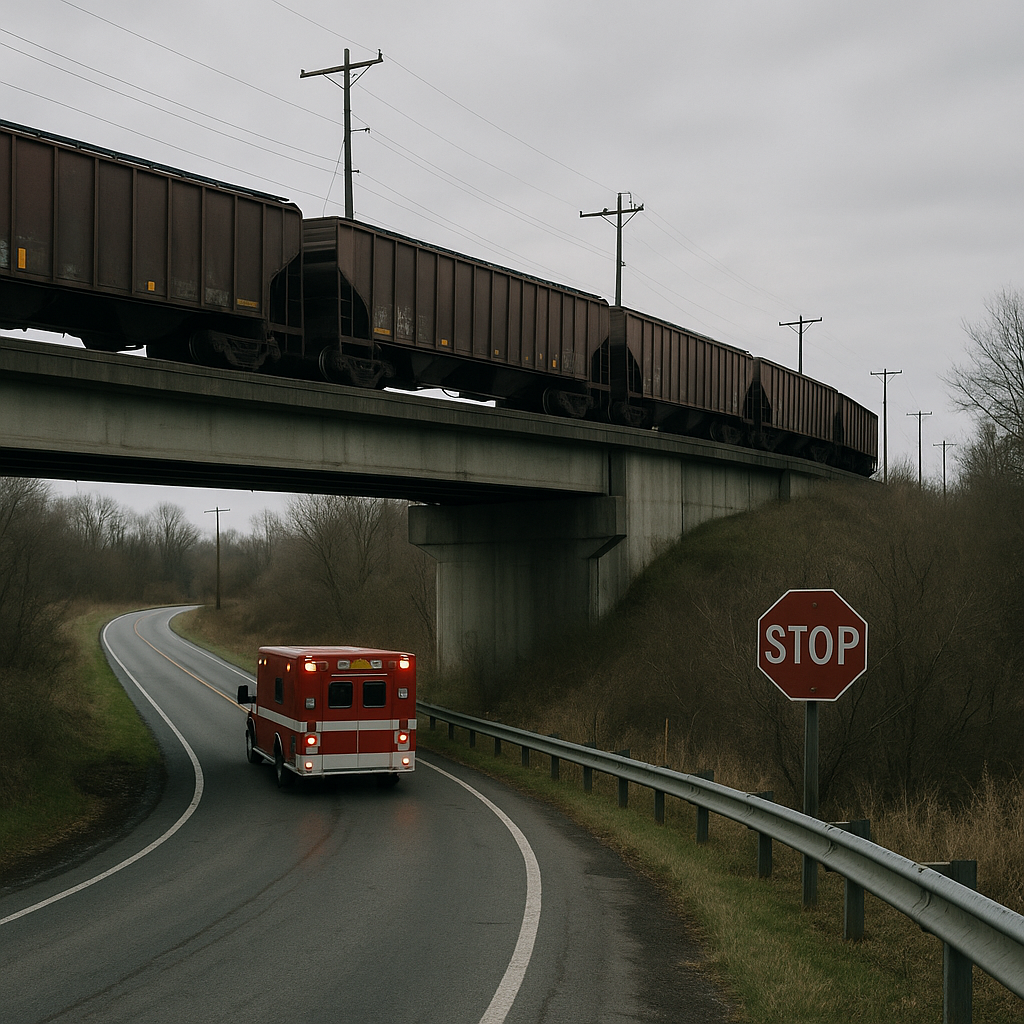
How Freight Corridors Influence Emergency Response Routes in Nevada
Nevada’s distinctive geography and robust economy rely heavily on highways and freight corridors to move goods efficiently across the state and beyond. While these busy truck routes are vital for economic development, they also shape how emergency responders—such as ambulance, fire, and police services—access incident scenes and deliver aid quickly. Understanding how freight corridors influence emergency response routes in Nevada can shed light on both the opportunities and challenges faced when coordinating safe, timely lifesaving services.
Overview of Freight Corridors and Trucking Activity in Nevada
Freight corridors are designated primary routes designed to support high-volume movement of cargo—by truck, rail, or even pipeline—connecting key industrial areas, distribution centers, and border crossings. In Nevada, freight activity is concentrated along several major arteries:
– I-15 Corridor: Running from California through Las Vegas toward Salt Lake City, this route sees dense commercial traffic linking Southern Nevada to major U.S. markets.
– I-80 Corridor: Stretching east-west from Reno through Elko, I-80 serves as a critical transcontinental freight route.
– US 93 and US 95: These north-south highways provide freight access through central and western Nevada, supporting mining, agriculture, and manufacturing operations.
– State highways and regional connectors: These routes support farming, mining, and local distribution, often linking rural production sites to national highway systems.
Each corridor experiences heavy truck activity, especially near urban centers like Las Vegas, Reno, and Sparks, as well as industrial hubs and warehouse districts. Trucking activity can spike near distribution centers, intermodal rail yards, and agricultural depots, creating periods of intense congestion.
Common Truck Types and Freight Activity in the Area
The freight sector in Nevada is diverse, with a variety of commercial vehicle types hauling everything from raw materials to consumer goods. Some of the most common truck types using Nevada’s corridors include:
– Semi-trucks (tractor-trailers): These are the most frequent sights, moving retail products, building materials, mining ores, and food commodities on both short-haul and cross-country routes.
– Refrigerated trucks: Critical for transporting perishables, these trucks connect Nevada’s distribution hubs with wider western markets, especially for produce and food distribution.
– Tanker trucks: Nevada’s mining and manufacturing sectors often move bulk liquids, chemicals, and fuels using specialized tankers.
– Flatbeds: Used for construction materials and oversized loads.
– Livestock and agricultural haulers: These operate primarily in rural areas, connecting Nevada’s ranches and farms to processors and markets.
Truck traffic density increases in areas surrounding major industrial parks, especially near the Tahoe-Reno Industrial Center (TRIC) east of Reno, and near logistics providers serving Las Vegas’s tourism and construction industries. Freight schedules can be tightly coordinated, sometimes leading to large convoys or staggered schedules to accommodate contractual delivery windows.
How Congestion or Merging Creates Risk
Where heavy freight and emergency vehicles interact, congestion and merging traffic can have direct impacts on public safety and response times. Some key concerns in Nevada’s freight corridors include:
– Limited lane access: Many highways through mountain passes or urban bottlenecks have only two to four lanes. A broken-down truck or multi-vehicle incident can quickly close lanes, blocking not only everyday traffic but also emergency vehicles.
– On- and off-ramp congestion: Distribution centers are typically located near highway exits. During peak receiving or shipping times, ramps can back up with waiting trucks, complicating emergency vehicle access.
– Blind spots and large vehicles: Large trucks have extended stopping distances and significant blind spots. When merging or lane-changing is required—especially during accidents—emergency vehicles must maneuver with care, which can delay arrival.
– Hazardous materials incidents: With frequent movement of tankers carrying chemicals, spills or accidents may require special hazardous materials (hazmat) teams. Truck congestion can hinder these teams from reaching the site quickly.
– Secondary crashes: When truck-related incidents occur, rubbernecking, slowed traffic, and debris increase the risk of follow-up accidents just as emergency help is trying to reach the scene.
For small towns and rural areas dominated by a single highway—such as Ely or Winnemucca—the arrival of multiple freight vehicles at once can momentarily overwhelm intersections and reduce the reliability of alternative emergency access routes.
Time-of-Day and Seasonal Traffic Trends
Freight movement across Nevada demonstrates clear time-of-day and seasonal patterns that directly affect emergency response planning:
– Morning and Evening Rush: Like passenger travel, truck activity surges near shift changes at major warehouses and industrial parks, typically between 5–8 a.m. and 3–7 p.m. Las Vegas and Reno see the most intense urban congestion during these times, complicating response for city-based emergency units.
– Nighttime Trucking: Many trucking companies schedule nighttime deliveries to avoid urban congestion and comply with federal hours-of-service regulations. This can mean long stretches of lightly-trafficked highways overnight, briefly increasing risk for lone emergency responders dealing with nighttime accidents or breakdowns.
– Seasonal Spikes: Nevada’s mining and agricultural industries operate in cycles. Harvest seasons prompt substantial increases in truck activity on rural roads, while construction season brings more building materials into urban centers. Additionally, winter storms in the Sierra or high desert regions can cause truck backups and hazardous road conditions, sometimes stranding vehicles and blocking emergency access.
– Special Events: Las Vegas hosts conventions and shows that can drastically boost freight deliveries. Temporary traffic restrictions or lane closures around event venues or construction can pose significant rerouting challenges for emergency planners.
Neutral Closing Paragraph
The interplay between Nevada’s freight corridors and emergency response routes is a dynamic, evolving challenge for transportation planners, public safety officials, and logistics managers alike. By understanding the rhythms and risks of local truck traffic, communities can better coordinate road design, incident management, and public safety strategies that keep freight moving smoothly while ensuring prompt, reliable access for emergency responders. As Nevada’s freight corridors grow busier in years to come, ongoing local collaboration and adaptation will remain essential in balancing the needs of commerce and community safety.