
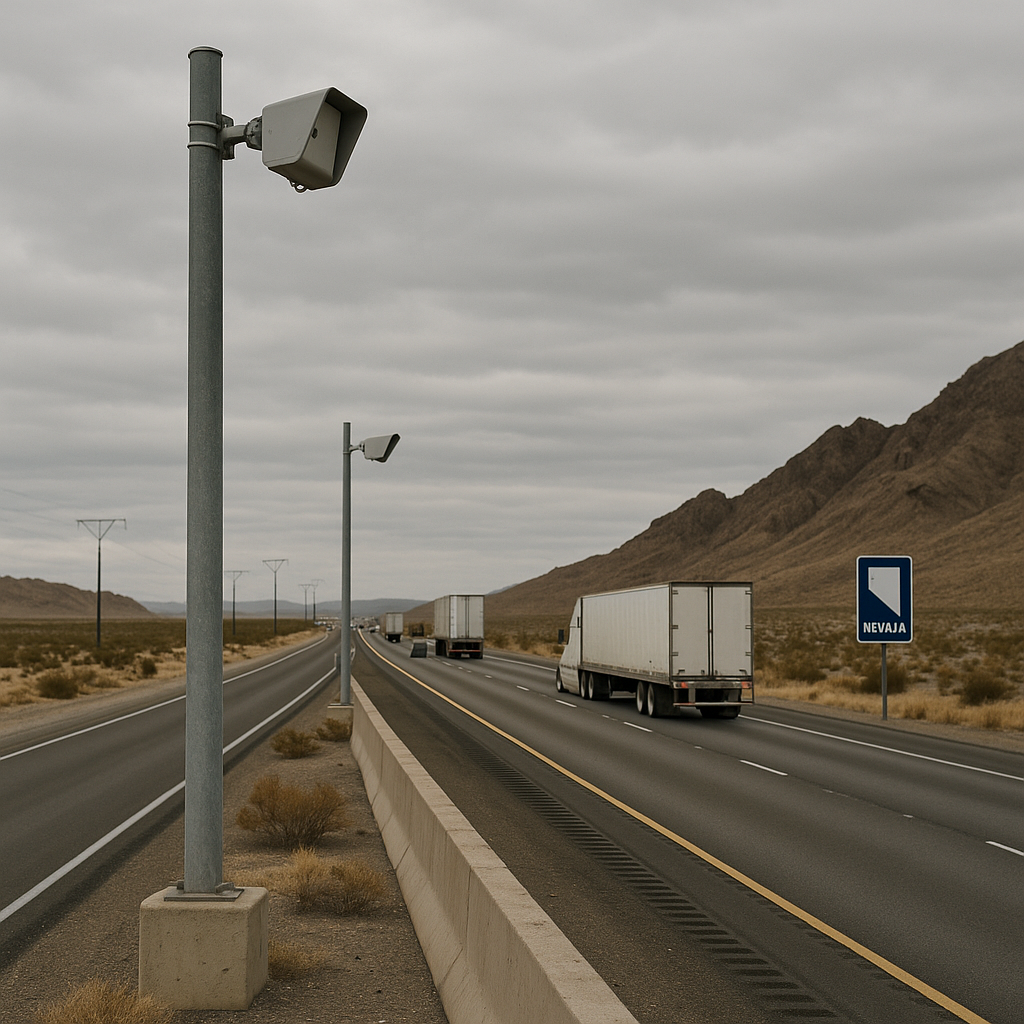
Traffic Sensors and Freight Corridor Analytics in Nevada
As one of the nation’s most rapidly growing logistics hubs, Nevada plays a pivotal role in American freight movement. Strategic investments in infrastructure, combined with innovative technologies like traffic sensors and freight corridor analytics, position the state at the forefront of efficient, safe, and data-driven transportation. This article examines how Nevada’s roadways—especially its major freight corridors—benefit from advanced analytics and real-time monitoring, ultimately supporting both local economies and national supply chains.
Overview of the Freight Corridor or Trucking Activity
Nevada’s vast geography—spanning rugged mountains, open deserts, and thriving urban centers—makes it a critical artery for cross-country freight. The state’s primary freight corridors, including the I-80, I-15, and US 95, serve as lifelines connecting California’s busy ports with inland distribution points and the broader American interior.
With an advantageous location, Nevada supports several major logistics centers in cities like Las Vegas, Reno, Sparks, and Elko. Statewide, billions of tons of goods travel north-south and east-west, ranging from consumer products and raw materials to fuel and industrial machinery. This constant movement is monitored closely thanks to a growing network of traffic sensors installed along busy freight lines. These sensors, coupled with robust corridor analytics, offer transportation officials and shipping companies invaluable insight into real-time road conditions, vehicle flow, and freight patterns.
Common Truck Types and Freight Activity in the Area
A diversity of truck types characterizes Nevada’s freight corridors:
– 53-foot Dry Vans and Refrigerated Trailers: The most common sight on Nevada highways, these are used to transport everything from perishable food products to electronics.
– Flatbeds and Lowboys: Essential for carrying construction materials, machinery, and oversized loads, these trucks frequently traverse routes connecting mining areas and industrial zones.
– Tankers: Moving fuel, chemicals, and other liquids, tank trucks play a vital role in Nevada’s energy distribution network.
– Double and Triple Trailers: Especially common on long stretches like I-80, these combinations enhance efficiency and are permitted along designated Nevada corridors.
– Heavy Haul and Oversize Loads: With mining and energy industries active throughout northern Nevada, specialized heavy-haul vehicles are regularly seen transporting equipment to remote project sites.
This mix of vehicle classes—and the valuable cargo they transport—requires sophisticated monitoring and management. Freight corridor analytics, powered by in-ground and above-ground traffic sensors, help track occupancy, speed, and lane usage, generating granular data on the types and volumes of trucks present at different times and locations.
How Congestion or Merging Creates Risk
As freight volume rises, so does the complexity of managing mixed traffic, especially where trucks, passenger vehicles, and local commuters share the same corridors. Two common risk points include:
– Interchange Convergence: Near urban centers like Reno or Las Vegas, heavily loaded trucks must often navigate complex merges, lane reductions, or transition between highways and arterial roads. Congestion here can lead to sudden stops, bottlenecks, and increased potential for collisions.
– Steep Grades and Mountain Passes: Sections along I-80 and US 50 feature steep climbs and descents, where speed differentials between heavy trucks and passenger cars increase the likelihood of conflicts, particularly during merging or lane changes.
Traffic sensors and analytics tools help address these risks by providing real-time alerts about slowdowns, incidents, or congestion spikes. With this data, agencies like the Nevada Department of Transportation (NDOT) can optimize signal timing, deploy dynamic messaging, or adjust lane assignments—often making split-second decisions that improve safety and reduce delays.
Time-of-Day and Seasonal Traffic Trends
One of the most valuable outputs from integrated traffic sensors and corridor analytics is a detailed picture of when and how freight and trucking activity fluctuates across Nevada.
Time-of-Day Trends
– Early Morning and Late Evening Peaks: Many long-haul trucking routes through Nevada are busiest during the early hours (2:00–6:00 a.m.), as drivers aim to avoid metropolitan congestion and maximize rest stop availability.
– Midday Freight Surges: As distribution centers in Reno-Sparks and Las Vegas ramp up operations, truck flow onto nearby interstates intensifies, particularly from 10:00 a.m. to 2:00 p.m.
– Rush Hour Complexity: Shared corridors see congestion spikes as regional commuters join the flow of through-trucks, especially around south Reno and Las Vegas’ I-15 corridor. Analytics from traffic sensors often reveal extended travel times and increased incidents during evening rush hours.
Seasonal Variation
Freight movement through Nevada is also shaped by the seasons:
– Winter: Snowfall in higher elevation passes, such as Donner Summit near the California border, can trigger chain requirements, slowdowns, or even closure of key freight routes. Sensors track speed reductions, backups, and weather-triggered incidents in real time, enabling rapid response to changing road safety conditions.
– Summer: Construction projects and increased tourism lead to more non-commercial vehicles on the roadways, intensifying congestion, particularly on key roads like the I-15 between Las Vegas and California.
– Holiday Peaks: Major holidays or special events (e.g., Las Vegas conventions or the Burning Man festival in northern Nevada) create temporary surges in both freight and passenger travel. Analytics systems help agencies anticipate, monitor, and manage these bursts, minimizing gridlock and improving travel reliability for all road users.
By monitoring these trends, transportation planners in Nevada are better equipped to schedule maintenance, adjust signal timing, and inform travelers of anticipated delays—activities all made more efficient through the intelligent deployment of traffic sensors and corridor analytics tools.
Neutral Closing Paragraph
Nevada’s commitment to integrating traffic sensors and advanced freight corridor analytics stands as a model for modern, proactive transportation management. As freight volumes continue to increase and logistical demands grow more complex, these technologies provide vital data, informing timely decisions that keep cargo and drivers moving safely across the Silver State. While challenges remain—such as adapting to weather, balancing mixed traffic, and accommodating future growth—Nevada’s investments today lay the groundwork for a smoother, smarter, and more resilient freight network supporting communities and commerce alike.