
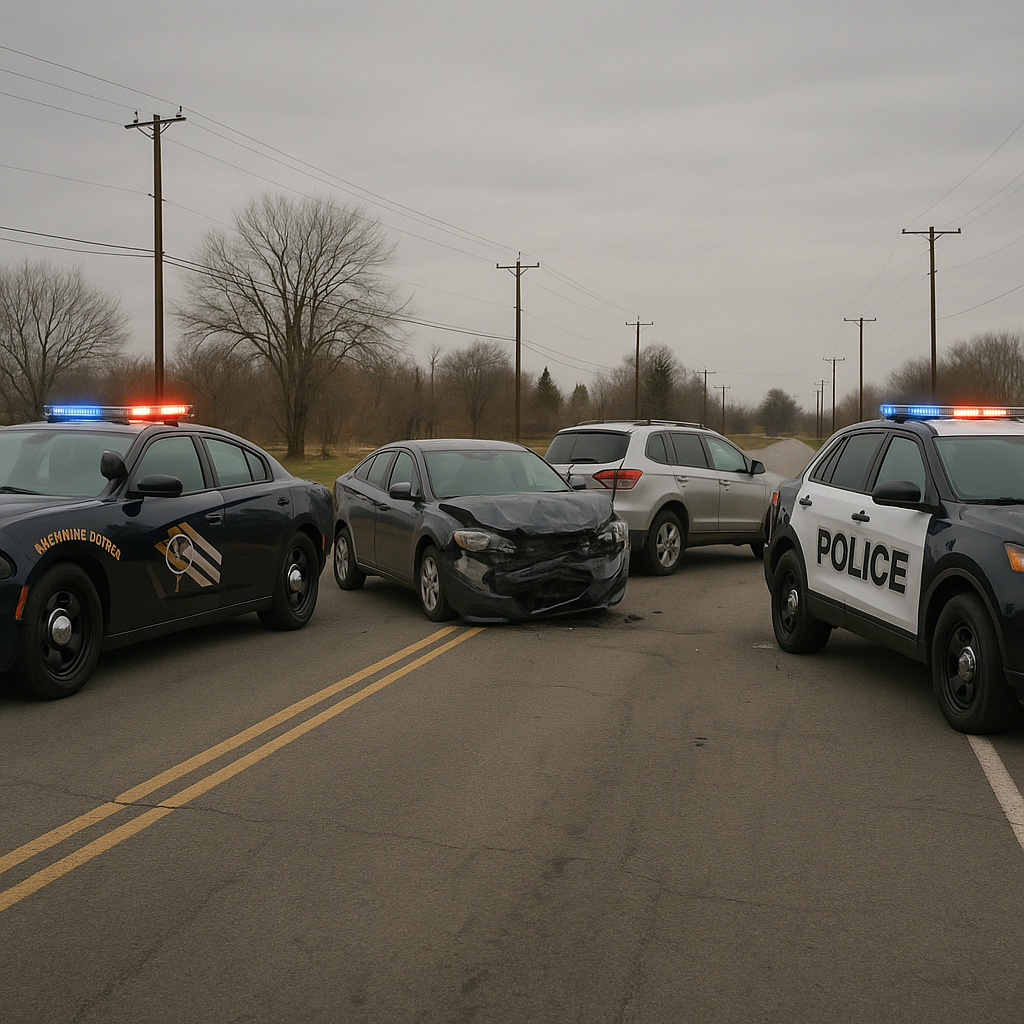
Difference Between NHP and Local Police in Crash Response
Nevada’s highways and city streets see countless vehicles each day, resulting in occasional traffic accidents that require swift and coordinated emergency response. While any crash can be stressful, confusion about which agency responds, what steps are taken, and how documentation is handled can add to the uncertainty for those involved. One frequent area of misunderstanding involves the difference between the Nevada Highway Patrol (NHP) and local police departments—particularly regarding their roles in crash response and reporting. This article explores key contrasts and what Nevadans can expect if they’re ever involved in a vehicle crash.
Overview of Crash Response and Reporting Systems in Nevada
The Silver State covers vast, diverse terrain, from the urban cores of Las Vegas and Reno to rural highways stretching across mountainous regions. To manage incident response across such diverse environments, Nevada relies on multiple law enforcement agencies—each with distinct jurisdictions and responsibilities.
When a vehicle crash occurs, the nature and location of the accident typically determine which agency takes charge. Nevada Highway Patrol, part of the Nevada State Police, is tasked with public safety on federal and state highways, as well as some rural roads outside city boundaries. In contrast, municipal (city) police departments—such as Las Vegas Metropolitan Police or Reno Police Department—and county sheriffs oversee incidents within their respective city limits.
Response protocols, reporting processes, and documentation requirements can vary not just between NHP and local police, but also depending on the severity of the crash. Understanding these distinctions can help drivers navigate post-collision procedures and clarify common points of confusion.
Common Agencies and Reporting Steps (Educational)
Multiple law enforcement agencies operate across Nevada, and each plays a specific role in crash response:
– Nevada Highway Patrol (NHP): NHP’s primary jurisdiction covers interstate highways, state routes, and designated rural areas. Officers are specially trained for high-speed, high-volume roadway incidents, including crashes, hazardous spills, and commercial vehicle enforcement.
– Local Police Departments: City and town police agencies generally respond to crashes occurring within their city boundaries. These departments, such as North Las Vegas Police or Henderson Police, are responsible for both minor and serious collisions that occur on city streets.
– County Sheriff’s Offices: In more rural or unincorporated regions not serviced by a municipal department, the county sheriff may serve as the primary law enforcement contact for crash scenes.
Crash response typically involves several actions: securing the scene, ensuring the safety of those involved, providing medical assistance if needed, and facilitating the flow of traffic or initiating temporary road closures. Law enforcement officers will seek out witnesses, collect statements, and observe conditions leading to the crash.
NHP officers commonly encounter high-speed or multi-vehicle accidents with potential for hazardous material involvement due to the prevalence of commercial trucking on highways. Local police, while well-equipped for major incidents, are more frequently involved in urban crashes such as fender-benders and pedestrian accidents.
After ensuring safety, officers from either agency begin documenting the incident. This documentation is crucial for insurance claims, legal proceedings, and for compiling statewide crash statistics.
Documentation Typically Involved
Crash documentation is a cornerstone of effective incident response and post-crash processes. While NHP and local police departments utilize similar foundational forms, their documentation and reporting may exhibit subtle differences owing to agency protocols and state requirements.
Typical documentation includes:
– Police Crash Report: Both NHP and local police departments produce official reports detailing the facts of the incident: parties involved, vehicle information, apparent causes, diagrams, weather and road conditions, and witness accounts.
– Incident/Case Number: Each crash is assigned a unique case number. Nevada Highway Patrol and local police use different numbering systems aligned with their internal databases.
– Citation/Violation Notices: If a traffic violation is identified as a contributing factor, officers may issue citations. The nature of these citations and follow-up (such as deadlines for response) is generally consistent across agencies, but some differences may arise in administrative processing.
– Supplemental Documentation: For serious or fatal crashes, especially those handled by NHP on highways, additional reports may be required, such as commercial vehicle inspection forms, hazardous spill reports, or detailed reconstructions.
Victims and those involved in an accident can usually obtain copies of the report from the responding agency for submission to their insurance company or, if necessary, for legal dealings. Processing times and fees may differ between NHP and local agencies.
Common Reporting Misunderstandings
A persistent area of confusion for Nevada drivers comes from misconceptions about which agency to contact and how crash reporting obligations are managed.
1. Assuming All Crashes Require NHP Involvement: Some drivers mistakenly believe NHP is the “default” responder in all vehicle accidents, given its visibility on highways, but local city police or county sheriffs will usually handle crashes that occur within city or town limits.
2. Unclear About Who to Call: In the aftermath of a crash, people often call 911 without knowing whether NHP or local police should respond. Generally, the dispatch center determines which agency is responsible based on the specific location provided by the caller.
3. Confusion About Report Access: Each law enforcement agency maintains its own crash report records. Requesting a report from the wrong agency can lead to delays. For instance, if NHP handled a crash outside Las Vegas city limits, the report will not be available from Las Vegas Metropolitan Police Department.
4. Belief That Documentation is Always the Same: While the basic content of collision reports is uniform statewide, differences exist in forms, formats, and degree of detail, especially for more complex highway incidents involving commercial vehicles.
5. Thinking Crash Reports Are Instantaneously Available: There is often a misconception that police reports can be accessed immediately. Both NHP and local police typically need several days to process and file documentation, especially for large or complicated incidents.
Understanding these distinctions can help parties involved in a crash avoid frustration, streamline insurance claims, and ensure they have accurate expectations regarding the aftermath of an accident.
Neutral Closing Paragraph
Navigating the aftermath of a vehicle crash is challenging under any circumstances, but a clearer understanding of Nevada’s crash response systems—specifically, the difference NHP and local police agencies make in crash response—can help ease some of the uncertainty for drivers. By recognizing the distinct jurisdictions, documentation processes, and roles of each agency, Nevadans are better prepared to handle these unpredictable events. Whether on a bustling city street or a remote state highway, Nevada’s public safety professionals work diligently to ensure prompt, effective management of crash incidents for all who travel the Silver State’s roads.