NDOT Incident Response Teams Explained
Nevada’s highways and roadways crisscross sprawling deserts, bustling cities, and scenic byways – all managed and maintained to keep travelers safe and traffic flowing. Behind the scenes, a network of trained professionals from the Nevada Department of Transportation (NDOT) work swiftly and efficiently when accidents or hazards disturb the steady rhythm of the state’s roads. These teams are a crucial part of roadway safety, and understanding their role can help Nevada drivers appreciate the coordinated efforts that make the state’s transportation network safer and more responsive. In this article, NDOT incident response teams are explained in full, including their role within Nevada’s larger crash response framework, common agencies involved, documentation practices, and frequent reporting misunderstandings.
Overview of Crash Response and Reporting Systems in Nevada
When a roadway incident, such as a collision or debris hazard, occurs in Nevada, a rapid, coordinated response is critical to protect lives and restore normal traffic flow. NDOT incident response teams are among the first to be dispatched, operating primarily on major highways and interstates. Their mission is multi-faceted: to quickly assess the situation, provide immediate safety services (such as traffic control or minor mechanical assistance), and liaise with law enforcement and emergency medical responders as needed.
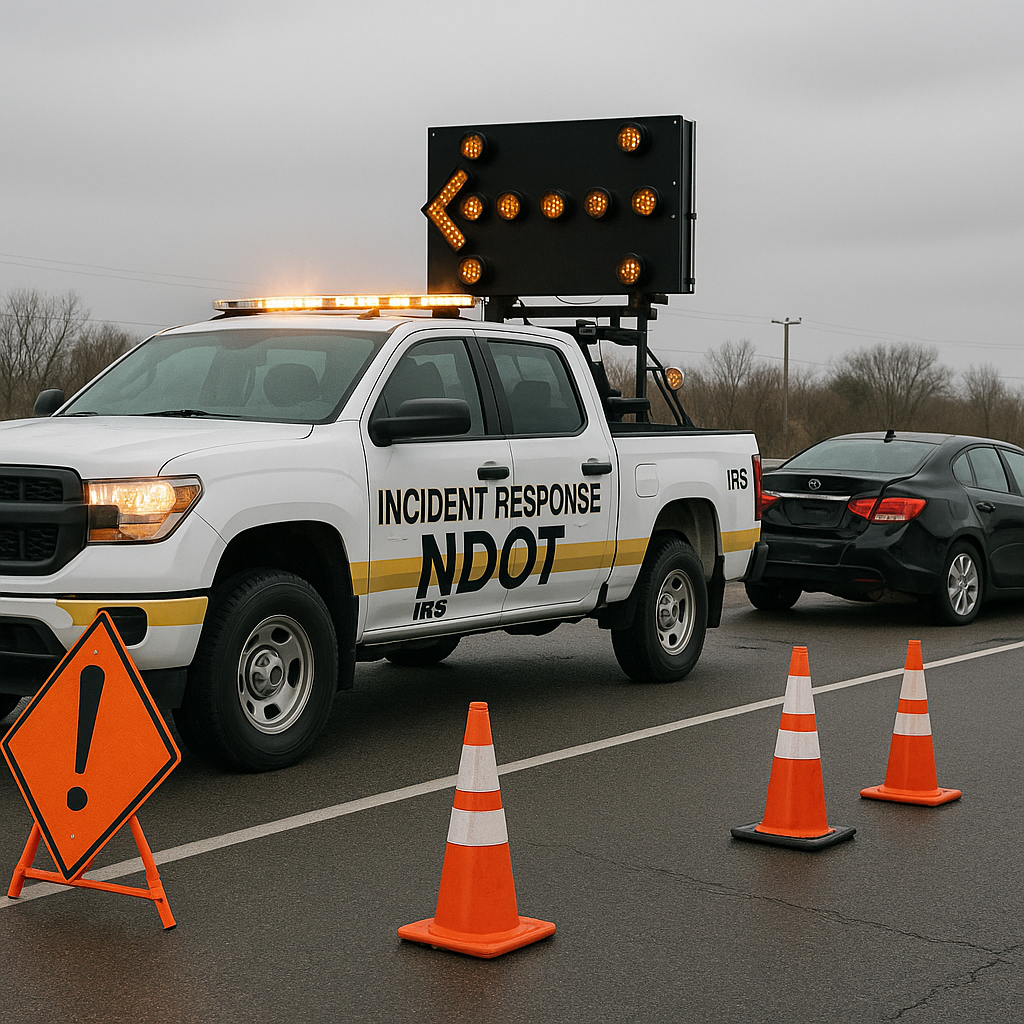
These teams are a linchpin in the wider web of Nevada’s incident management system. Their presence dramatically decreases response and clearance times, which in turn reduces the risk of secondary accidents—a significant concern on high-speed roadways. NDOT’s incident response vehicles are highly visible and equipped with tools that enable them to manage traffic, remove obstacles, and assist disabled motorists.
In conjunction with NDOT, law enforcement agencies such as the Nevada Highway Patrol (NHP) play a significant role in both the immediate response and follow-up reporting process. 911 call centers, local police, and fire departments may also be engaged, depending on the severity and location of an incident.
Common Agencies and Reporting Steps (Educational)
Understanding the collaboration between various agencies helps to clarify how Nevada handles roadway incidents. NDOT incident response teams are explained best through their partnerships:
– NDOT Incident Response: These teams are often the first non-emergency responders to arrive at scenes. Their focus is on keeping the scene safe for everyone involved, which may involve setting up cones, redirecting vehicles, or providing roadside assistance until the roadway can be fully reopened.
– Nevada Highway Patrol (NHP): NHP is typically responsible for the legal investigation and enforcement following a crash, including documenting details, interviewing involved parties, and managing any legal or criminal proceedings.
– Local Law Enforcement and Fire Departments: In urban or local settings, city police or fire personnel may take primary roles, particularly when an incident occurs off state highways.
– Emergency Medical Services (EMS): When injuries are involved, EMS teams work in parallel with NDOT and law enforcement to ensure rapid medical care and safe transport of injured parties.
The reporting process generally includes the initial 911 call, dispatch of appropriate agencies, on-scene investigation and assistance, and subsequent creation of incident and crash reports. These reports are compiled for records, insurance, and future statistical analysis rather than for assigning immediate fault or offering legal remedies.
Documentation Typically Involved
Accurate and thorough documentation is a cornerstone of incident response in Nevada. When NDOT incident response teams are explained in their operational context, their role in information gathering becomes clear:
– Incident Reports: NDOT teams maintain detailed logs of their activities, including times of arrival and departure, actions taken, and any assistance provided.
– Crash Reports: Law enforcement agencies—usually NHP—complete formal crash reports that include driver statements, witness accounts, environmental conditions, diagrams of the incident scene, and photographic evidence when appropriate.
– Motorist Information: Individuals involved in incidents may be asked to provide identification, vehicle registration, insurance documentation, and a description of the crash from their perspective.
– Supplemental Documentation: Depending on the circumstances, there may be recordings from traffic cameras, towing company logs, and communication transcripts from emergency dispatch centers.
These forms help all agencies understand what occurred, coordinate further responses, and track trends that inform safety improvements statewide.
Common Reporting Misunderstandings
Despite the clarity of NDOT incident response teams’ methods, some reporting misunderstandings are surprisingly prevalent in Nevada. A common misconception is that NDOT personnel function as legal authorities. While they provide essential services—clearing the way for traffic, assisting motorists, and supporting emergency responders—NDOT team members do not perform criminal investigations or assign fault. Their reports serve to document conditions and actions taken, not to replace formal crash reports issued by police or the NHP.
Another frequent error is overestimating what a roadside assistance or incident response record can achieve. Motorists at times believe that an NDOT incident report qualifies as an official crash record for insurance or legal purposes. In fact, only law enforcement-issued reports are accepted for these cases. NDOT reports are supplementary aids to the overall response, helping to streamline clearance and support first responder activities.
Finally, there is sometimes confusion about the role of documentation in determining responsibility or liability. The primary use of incident and crash reports is data collection, trend analysis, and assisting in the ongoing improvement of roadway safety practices. Determinations of who is at fault generally fall outside the scope of NDOT incident response records.
Neutral Closing Paragraph
NDOT incident response teams play a vital but sometimes misunderstood role in Nevada’s roadway safety landscape. As the first line of on-scene support during highway incidents, their professionalism, prompt action, and consistent documentation are invaluable for maintaining safe and efficient travel across the state. By understanding how these teams operate, and how their activities fit within the broader system of crash response and documentation, Nevada’s motorists can better appreciate the collaborative efforts that keep the state’s roads moving smoothly and safely for all.