
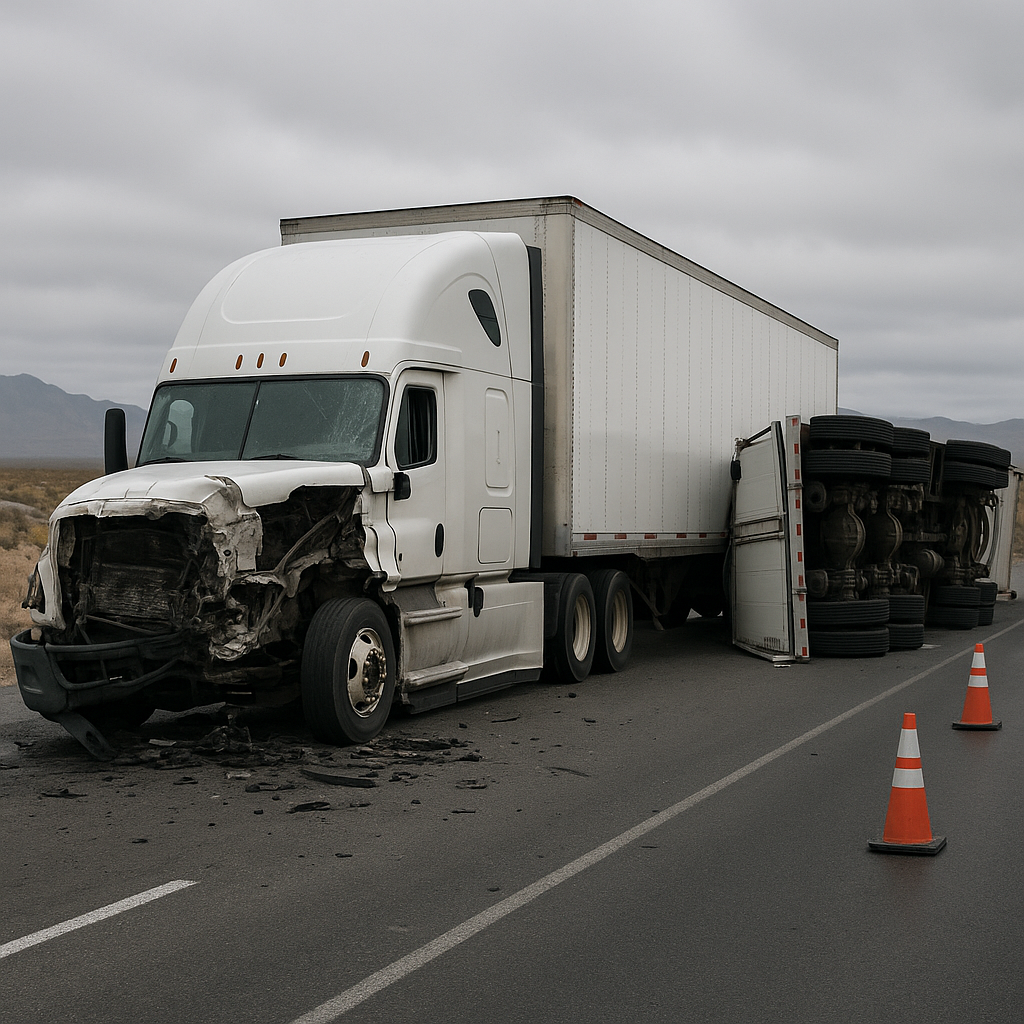
Nevada Emergency Management Role in Major Truck Crashes
Major truck crashes on Nevada’s highways are rare but impactful events, posing significant threats to public safety, commerce, and the environment. Understanding the Nevada emergency management role in truck crashes is crucial to appreciating the coordinated response that helps minimize harm and restore normalcy. This article explores emergency response systems in Nevada, the agencies involved, documentation practices, and common misunderstandings about reporting such events.
Overview of Crash Response and Reporting Systems in Nevada
Nevada’s vast network of highways and interstates—vital for transporting goods across the Western United States—makes the state susceptible to large-scale truck accidents. When a major truck crash occurs, rapid, organized action is necessary to contain the incident, care for any injured parties, and address secondary risks such as hazardous material spills.
At the heart of this response is Nevada’s emergency management infrastructure, which includes state, county, and local agencies. The Nevada Division of Emergency Management (DEM) plays an organizational and logistical role, ensuring that resources are mobilized appropriately. When a crash warrants a larger-scale intervention, the DEM can coordinate with federal partners, offer technical assistance, and provide support for community and environmental safety.
Emergency management agencies in Nevada use a structured incident command system. This system allows for flexible response depending on the severity and unique circumstances of the truck crash. It also ensures that each agency knows its role, whether that’s controlling traffic, containing hazardous substances, or addressing medical concerns.
Reporting systems are also a vital part of the emergency response. Crashes are reported through 911 dispatch centers and relayed to the appropriate authorities. Information is logged and shared using standardized methods to keep all responders informed and to contribute to incident databases used for future planning and safety improvements.
Common Agencies and Reporting Steps
Major truck crashes in Nevada typically trigger involvement from several layers of government and specialized agencies. Each has a distinct role in responding to and reporting on the incident.
Nevada Department of Public Safety (NDPS): Houses the Highway Patrol, which is usually among the first agencies on the scene, handling immediate safety concerns and traffic control.
Fire Departments and Hazardous Materials (HazMat) Teams: Often dispatched if a spill or fire is involved, especially regarding fuel or other dangerous cargo.
Local Law Enforcement and EMS: Join in providing scene security, investigating the crash, and caring for any injured individuals.
Nevada Division of Emergency Management: Monitors incidents, coordinates inter-agency collaboration, and can escalate a response if the incident poses broader risks.
Nevada Department of Transportation (NDOT): Plays a key infrastructural role by assessing damage, arranging for debris removal, and coordinating road closures or rerouting if necessary.
When a major truck crash is reported, dispatchers alert all necessary agencies, balancing speed and efficiency to ensure the correct resources arrive on scene as quickly as possible. Each agency follows established protocols shaped by state and federal guidelines, ensuring an orderly division of labor and streamlined communication.
All response efforts are woven together with ongoing communication, typically using radio systems, digital platforms, and incident reporting tools compatible with the National Incident Management System (NIMS).
Documentation Typically Involved
Proper documentation is central to the Nevada emergency management role in truck crashes. Every responding agency generates records that may include, but are not limited to:
– Crash Reports: Law enforcement compiles detailed accounts of the incident, noting causes, vehicle positions, environmental conditions, and witness statements.
– Incident Command Logs: Emergency management teams maintain logs of actions taken, resources deployed, and inter-agency communications during the incident.
– Hazardous Material Reports: If hazardous substances are involved, response teams file specialized documentation detailing containment measures, cleanup, and any potential environmental impacts.
– Medical Records: Emergency medical services document care provided at the scene and during transportation to medical facilities.
– Photographs and Diagrams: Visual documentation helps agencies reconstruct the crash and evaluate response effectiveness.
– NDOT Assessment: Transportation officials record infrastructure conditions, repair needs, and any temporary measures enacted to reopen roadways.
Much of this documentation is shared across agencies, contributing to state and federal databases. These records are essential for improving future response strategies, identifying risk factors, and tracking the outcomes of interventions.
Common Reporting Misunderstandings
Despite the structured nature of emergency management, misconceptions can arise during and after major truck crashes in Nevada. Some of the most common misunderstandings include:
– Overestimation of One Agency’s Authority: Members of the public or media sometimes assume a single agency is in control when, in reality, effective response depends on multi-agency collaboration.
– Misconceptions About Reporting: There is sometimes confusion about who must report the incident and how the information travels through various systems. All major truck crashes are reported through standardized emergency channels, but the intricacies of who records what data and when can be misunderstood.
– Documentation Access: People may assume documentation is immediately available to the public, not realizing that official crash reports, hazardous material documentation, or medical records may be subject to privacy laws or pending investigations before release.
– Role of Emergency Management: Emergency management is sometimes seen solely as a disaster response entity. In the context of truck crashes, DEM’s role is broader, including preparedness planning, resource coordination, and post-incident analysis.
– Timeframes for Response and Recovery: There can be unrealistic expectations about how quickly scenes can be safely cleared, especially when hazardous materials or significant wreckage are involved.
Understanding these nuances can help both residents and industry professionals appreciate the careful balance Nevada’s emergency management teams must strike between speed, accuracy, safety, and environmental stewardship.
Neutral Closing Paragraph
Major truck crashes on Nevada’s highways present complex challenges that demand well-coordinated emergency management. Through structured response protocols, multi-agency cooperation, and comprehensive documentation, Nevada’s emergency management infrastructure works diligently to address the immediate effects of such incidents while gathering critical information for future safety improvements. Staying informed about the roles and processes involved helps citizens and industry stakeholders alike understand the importance of a unified and methodical approach in preserving public safety and maintaining efficient transportation networks in the state.