
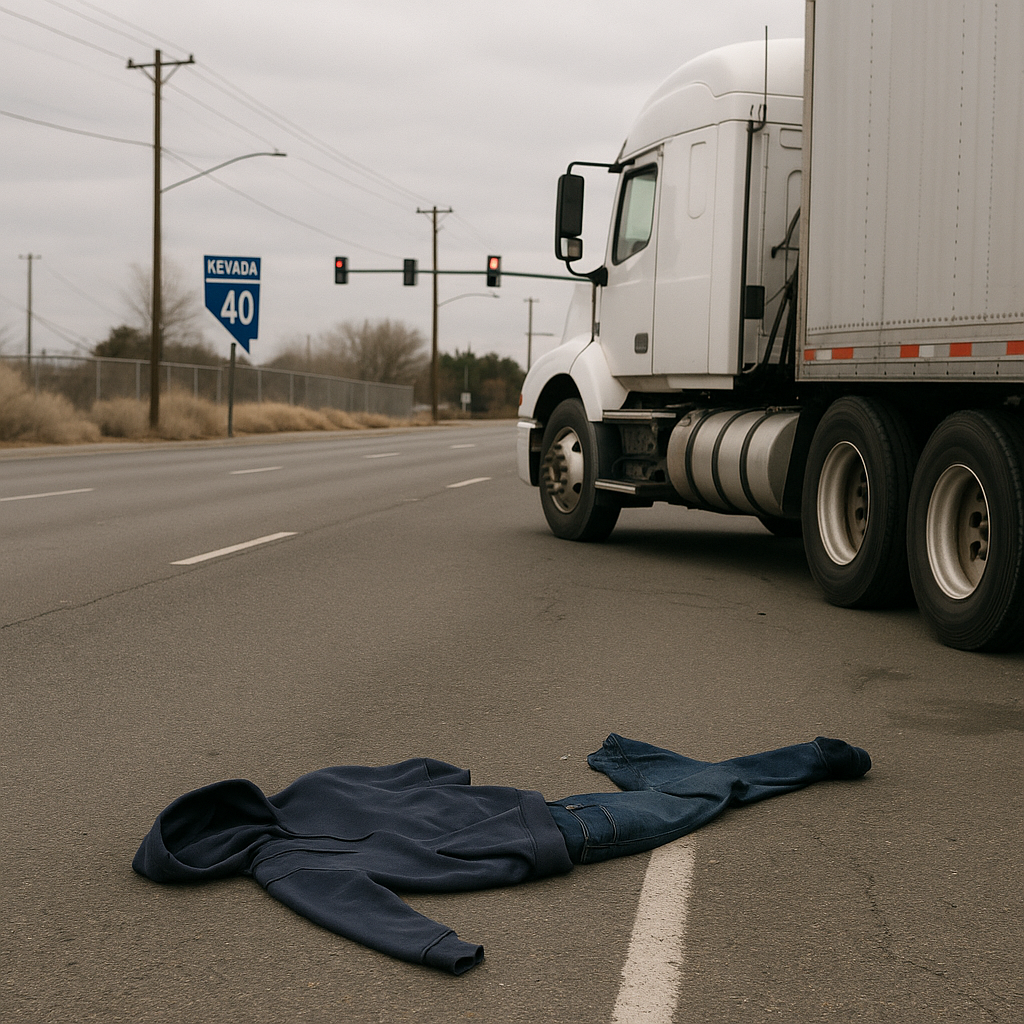
How Nevada Responds to Truck Crashes Involving Pedestrians
When a truck collides with a pedestrian, the consequences can be severe and the aftermath complex. Nevada, as a state with busy highways, active urban centers, and frequent trucking routes, has established protocols and systems to respond to such incidents efficiently and systematically. Understanding how Nevada responds to truck crashes involving pedestrians is pivotal not only for those directly involved, but also for anyone seeking to understand public safety and transportation infrastructure in the Silver State.
Overview of Crash Response and Reporting Systems in Nevada
Nevada’s approach to handling crashes between trucks and pedestrians is grounded in public safety, swift emergency response, and rigorous documentation. The state emphasizes coordinated action among first responders, clear communication, and detailed reporting—essentials that help manage the immediate crisis and facilitate any subsequent investigations.
Whenever there is a collision between a truck and a pedestrian, several elements come into play. First, emergency services are dispatched to the scene to provide medical aid and manage any hazards. Simultaneously, law enforcement takes charge of securing the area, directing traffic away from the scene, and conducting a crash investigation. Each incident brings together not only these frontline agencies, but also secondary entities such as transportation departments and local or state traffic engineers, who may review problematic intersections or crossings after the fact.
In urban areas like Las Vegas, Reno, or Henderson, response times and procedural steps are often influenced by dense traffic environments and the need to restore roadway normalcy as quickly as possible. Conversely, rural areas may see longer response and investigation timelines but benefit from closer coordination with the Nevada Highway Patrol.
Common Agencies and Reporting Steps
Contrary to what some might assume, the process of managing and documenting a truck-pedestrian crash in Nevada involves more than just the closest police department. Multiple agencies may handle different aspects, and their responsibilities often overlap to ensure thorough investigation and public safety.
– Local law enforcement agencies—such as city police or county sheriffs—usually take the lead within city limits. In rural areas and on state highways, the Nevada Highway Patrol often assumes primary jurisdiction.
– Emergency medical services (EMS) arrive to treat injuries and, if necessary, transport victims to local hospitals.
– Nevada Department of Transportation (NDOT) may become involved when incidents occur on highways or state roads, particularly if road design or infrastructure might have contributed to the crash.
– Local or Regional Traffic Safety Committees sometimes review crash patterns involving trucks and pedestrians to recommend systemic safety changes.
After the essential roles of medical and traffic management personnel, investigators conduct interviews, examine vehicle damage, and reconstruct the crash where needed. Photographic evidence of the scene, analysis of skid marks, and statements from eyewitnesses or involved parties all form part of the response landscape.
The reporting process is another critical component. In Nevada, law enforcement officers at the scene are required to complete detailed crash reports. These records are then filed with the Nevada Department of Public Safety, making them accessible for future safety studies and traffic planning.
Documentation Typically Involved
The documentation amassed after a truck-pedestrian crash is comprehensive and serves several purposes: supporting investigations, informing insurance considerations, building statistical profiles for safety analysis, and guiding future road design or enforcement priorities.
– Official police crash reports: These include comprehensive details like the names and contact information of the involved parties, the commercial vehicle’s registration and insurance data, time and place of the incident, weather and lighting conditions, injuries reported, and an initial narrative of what happened.
– EMS and hospital records: These contain medical information that can corroborate injury claims and help determine the sequence of events based on reported and treated injuries.
– Photographs and diagrams: Both law enforcement and, in some cases, Nevada Department of Transportation personnel may archive high-resolution photographs and create diagrams showing the positions and movements of vehicles and pedestrians.
– Witness statements: Collecting multiple perspectives is critical, especially when reconstructing events or resolving differing accounts.
– Traffic camera footage: Depending on the location, intersections or thoroughfares in Nevada urban centers may be monitored by traffic cameras, which can provide valuable evidence.
Proper and thorough documentation is not just a matter of protocol. It ensures that public agencies have the records needed to analyze urban design, driver and pedestrian behavior, and to propose future improvements.
Common Reporting Misunderstandings
Despite Nevada’s structured and multi-agency response, misunderstandings sometimes arise regarding how the system works and what follows a crash involving a truck and a pedestrian.
Some believe that only the most severe collisions warrant full crash investigations; however, Nevada law requires that all vehicle collisions involving injury or significant property damage be officially reported, regardless of scale. When trucks are involved, the reporting standards are even more rigorous due to federal oversight of commercial vehicles.
Another common misconception is the belief that all crash information is immediately available to the public or involved parties. While certain basic facts may be shared, much of the detailed documentation is reserved for official uses and may only become available after administrative processes are complete. Privacy considerations and the need to protect ongoing investigations mean that some records are accessible only to authorized personnel or by formal request.
There is also confusion about the role of fault assessment in initial reports. Law enforcement agencies primarily focus on documenting observable facts and evidence at the scene. Determinations of legal liability, if necessary, occur through later administrative or judicial proceedings, not during the immediate crash response.
Finally, some people misunderstand the involvement of state agencies beyond local police. It is not uncommon for the Nevada Department of Transportation or local government engineers to review reports in the aftermath—especially if a pattern of crashes emerges in a specific area, potentially prompting safety upgrades.
Conclusion
The way Nevada responds to truck crashes involving pedestrians highlights the state’s commitment to public safety, transparency, and continuous improvement. From the coordinated efforts of law enforcement and emergency services to rigorous documentation practices and thorough after-action reviews, the aim is always a swift response, a detailed record, and a better understanding of factors contributing to such incidents. By appreciating the complex web of agencies, reporting steps, and documentation requirements, Nevadans can gain confidence that the state treats these tragic occurrences with the seriousness they deserve, always striving to make Nevada’s roads safer for everyone.