
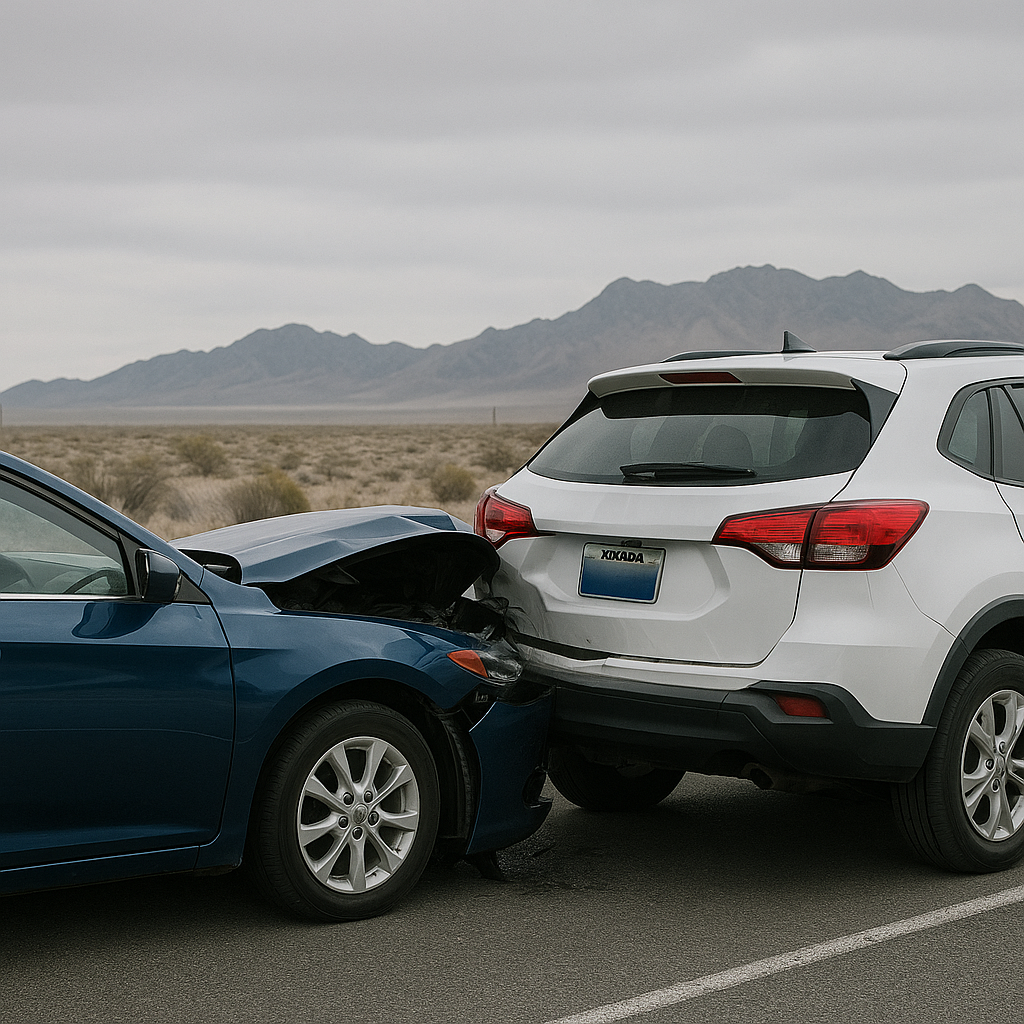
How Crash Reporting Works for Out-of-State Drivers in Nevada
When traveling through Nevada, motorists from other states may find themselves unfamiliar with how local crash reporting works. Whether passing through bustling Las Vegas or traversing the quiet stretches of the Great Basin, understanding the Nevada approach to crash reporting can seriously impact how out-of-state drivers navigate post-accident situations. This article reviews the systems, agencies, and common misconceptions about crash reporting for out-of-state drivers in Nevada, aiming to clear confusion before it starts.
—
Overview of Crash Response and Reporting Systems in Nevada
Nevada has well-defined requirements for drivers who are involved in motor vehicle crashes, regardless of where their vehicles are registered. Crash reporting isn’t only a matter of state policy—it’s also a collaborative effort between individuals and several government agencies. The process is designed to keep roadways safe, provide data for public safety evaluation, and ensure that all parties are protected under consistent procedures.
The rules for crash reporting in Nevada, as elsewhere, depend primarily on the nature and severity of the incident. Key criteria such as property damage thresholds, the presence of injuries, or fatalities trigger mandatory reporting. For out-of-state drivers, the mechanics of reporting fundamentally mirror those faced by Nevada residents. However, there are some nuances worth noting, particularly where documentation is concerned or when dealing with unfamiliar agencies.
Notably, out-of-state drivers are subject to Nevada’s regulations for any crash occurring within the state’s borders, no matter their home state’s rules. This helps foster an even-handed approach designed to improve clarity and ensure that crash data is accurately captured and processed.
—
Common Agencies and Reporting Steps (Educational)
Several agencies and organizations play an integral part in the crash reporting process in Nevada. Three primary bodies are commonly involved:
– Local Law Enforcement: The initial response to accidents, especially if they involve injuries or significant property damage, falls to city or county law enforcement agencies or—on highways—the Nevada State Police (formerly Nevada Highway Patrol).
– Nevada Department of Motor Vehicles (DMV): While law enforcement handles on-the-scene duties and conducts preliminary investigations, the DMV manages the aftermath, notably the submission and processing of accident reports, especially when uninsured motorists or specific thresholds are involved.
– Insurance Companies: Private insurance carriers, regardless of their state of origin, require official Nevada crash documentation to process claims for their policyholders after an incident within the state.
For out-of-state drivers, the procedures set by Nevada authorities apply, meaning an out-of-state vehicle and driver must interact with these Nevada agencies just like resident motorists. That includes fielding questions from officers, providing identification, and, when required, submitting additional paperwork to the DMV.
In particular, law enforcement officers responding to an accident scene in Nevada will collect information from all parties, regardless of their residency. They will generate an official crash report in accordance with state protocols—often referred to as the “Officer’s Report.” Subsequently, for accidents that meet specific criteria (usually involving injuries, fatalities, or certain levels of property damage), parties may be required to file their own report with the Nevada DMV. This report supplements the law enforcement investigation and is a process dictated by state statute, not by driver residency.
—
Documentation Typically Involved
One aspect that frequently catches out-of-state drivers by surprise is the kind of documentation usually required and the manner in which information is exchanged in the state of Nevada. Regardless of where a vehicle is registered, the following types of documentation are typically involved:
– Proof of Insurance: All drivers must provide verifiable proof of insurance coverage. Out-of-state insurance policies are generally accepted, provided they meet Nevada’s minimum requirements.
– State-Issued Identification: This can be a driver’s license from any state, but it should be current and valid.
– Vehicle Registration: Out-of-state registration documents are required to confirm ownership and to ensure accurate reporting of involved vehicles.
– Accident Information Exchange Form: Law enforcement often provides a form—or advises all involved parties to record—the names, addresses, registration numbers, and insurance details of all drivers involved in the incident.
For out-of-state drivers, the most important detail is to ensure all written documentation matches the vehicle and insurance information exactly as registered in their home state. Inaccurate or mismatched details can slow the reporting process and may cause downstream issues with insurance claims or DMV records in both Nevada and the driver’s home state.
Additionally, out-of-state drivers often deal with long-distance communication as their insurance provider or home state’s DMV processes relevant documents. Fortunately, Nevada’s system is equipped to interact with out-of-state agencies and companies, helping to ensure a smoother process for non-residents.
—
Common Reporting Misunderstandings
Despite efforts at clarity, several misunderstandings persist about crash reporting for out-of-state drivers in Nevada:
– “My home state’s laws override Nevada’s requirements.” This misconception can cause significant issues. Nevada law governs any crash occurring within its territory, no matter where the drivers are licensed or where the vehicles are registered.
– “Minor accidents don’t need to be reported.” Many out-of-state drivers believe reporting thresholds are uniform nationwide. In reality, Nevada has its own property damage minimums and injury definitions that may differ from those enforced elsewhere.
– “Police will always file a report for me.” While law enforcement officers typically respond to accident scenes, not all crashes result in a filed law enforcement report—especially in cases of low damage or no injury. Some incidents require individuals to file their own reports, and missing this step can result in administrative penalties.
– “Insurance claims are the same everywhere.” Out-of-state drivers sometimes assume that their insurance company will handle all paperwork. However, insurance providers often require officially filed Nevada accident reports to process any claim from an at-fault or not-at-fault driver.
– “Out-of-state insurance isn’t valid in Nevada.” While minimum coverage requirements do vary, almost all major insurance companies operating in the U.S. are recognized in Nevada. Out-of-state drivers should confirm with their provider that their coverage meets or exceeds Nevada’s minimum legal standards.
Being mindful of these common misconceptions can ensure that an already stressful accident situation doesn’t become even more complicated due to avoidable mistakes.
—
Conclusion
Understanding how crash reporting works in Nevada, especially for out-of-state drivers, is central to ensuring a responsible, stress-minimized response to any accident. While the systems are carefully structured and aimed at clarity, state-specific rules, documentation needs, and reporting thresholds can catch even seasoned travelers off guard. Awareness and preparation—especially knowing the expectations of Nevada authorities and agencies—can make the reporting process considerably smoother. Whether you’re a resident of another state or just passing through, respecting Nevada’s crash reporting requirements helps protect your rights and keeps the state’s roads safer for everyone.