
How Crash Reports Affect Trucking Company Investigations in Nevada
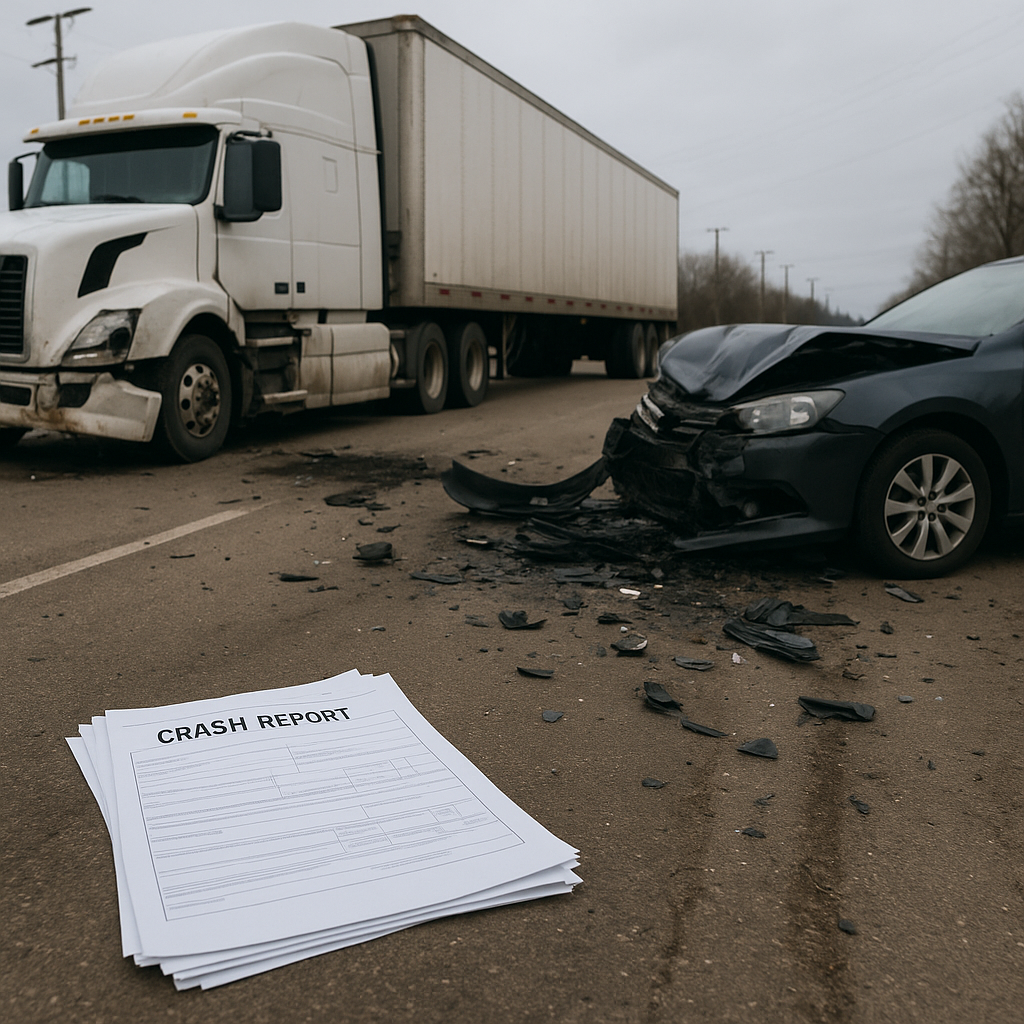
Trucking companies operating in Nevada are subject to strict regulations regarding safety, recordkeeping, and incident reporting. When a crash occurs, the official crash report—compiled by law enforcement—is a crucial document in subsequent investigations. Understanding how crash reports affect trucking company investigations can illuminate the processes by which companies, insurers, and regulatory bodies evaluate accidents, assign responsibility, and implement corrective measures. This article explores the unique aspects of crash response and reporting in Nevada, common documentation, frequent misunderstandings, and why accurate reporting is essential for trucking investigations.
Overview of Crash Response and Reporting Systems in Nevada
When a motor vehicle crash involving a commercial truck occurs in Nevada, a well-coordinated response system is activated. The scene is attended by one or more law enforcement agencies, depending on the crash location and severity. Local police, the Nevada Highway Patrol (NHP), and occasionally the Nevada Department of Transportation (NDOT) work together to secure the site, aid injured parties, and start the investigative process.
Nevada law requires that most traffic collisions, especially those involving fatalities, injuries, or significant property damage, be investigated and officially documented by law enforcement officers. These officers are responsible for preparing a comprehensive crash report, which serves as the foundational record for all subsequent investigations—internal and external—conducted by trucking companies.
This crash report not only outlines the parties and vehicles involved but also details evidence gathered at the scene, preliminary findings, and any citations issued. All of these elements can have significant repercussions for trucking companies, affecting insurance claims, internal policy assessments, safety reviews, and federal and state compliance evaluations.
Common Agencies and Reporting Steps (Educational)
Several key agencies typically play roles in the crash response and reporting system for trucking accidents in Nevada:
– Nevada Highway Patrol (NHP): NHP is often the primary responder for accidents occurring on interstates and highways, where a majority of commercial truck crashes take place.
– Local Police Departments: Within city or town limits, local police may be first on the scene and responsible for compiling the crash report.
– Nevada Department of Transportation (NDOT): While not a primary investigative agency, NDOT may provide support by securing crash sites, directing traffic, or making assessments for public infrastructure damage.
After initial emergency measures, officers at the scene thoroughly document the crash to generate an official report. This involves gathering driver and witness statements, noting road and weather conditions, collecting evidence such as vehicle positioning and skid marks, and, when appropriate, administering field sobriety or substance screenings.
From the trucking company perspective, these official reports are key to beginning internal investigations. Insurance companies and internal safety personnel typically request these reports as part of their broader review process. Crash reports influence everything from asset recovery to risk mitigation strategies.
Documentation Typically Involved
Crash investigations involving commercial trucks generally require extensive documentation beyond the basic police report. The following are common records and documents associated with such investigations:
– Crash Report: The core document obtained from law enforcement, outlining all official findings and citations.
– Photographic Evidence: Images captured by officers or included in the crash file can provide crucial visual context that aids in reconstructing the event.
– Driver Statements: Both the law enforcement summary and voluntary statements provided to the trucking company are important in assessing the causes of the crash.
– Electronic Logging Device (ELD) Data: Commercial trucks are required to use ELDs, which provide detailed information on driver activity, vehicle speed, and hours of service, sometimes referenced in both the initial crash report and company investigations.
– Vehicle Inspection Records: Recent inspection files are often reviewed to determine if pre-existing defects may have contributed to the incident.
– Cargo Documentation: Bills of lading and manifest records can help establish the nature of the cargo and whether load securement might have played a role.
All of this documentation is assessed collectively. However, the initial crash report usually serves as the starting point, guiding the direction and focus of the broader investigation.
Common Reporting Misunderstandings
Despite their critical importance, crash reports are frequently misunderstood or misused in trucking company investigations. Some prevalent misunderstandings include:
– Perception of Absolute Fault: Many assume that the law enforcement crash report assigns binding legal liability. In reality, officers provide preliminary findings and, if warranted, issue citations, but these determinations are not conclusive in civil or regulatory contexts.
– Completeness of the Record: Trucking companies sometimes misinterpret the crash report as a complete record of the incident. In practice, while thorough, reports may not capture all contributing factors (such as mechanical failures that manifest after the fact or nuanced environmental hazards).
– Finality of the Crash Report: Investigators may believe the case is closed once the report is complete. However, crash reports are often revised if new evidence comes to light, or if errors are identified after initial submission.
– Data Integration Challenges: Some companies may face obstacles integrating crash report data with internal documentation and electronic systems, leading to gaps in analysis or misalignment between company findings and official records.
– Overreliance on Officer Observation: While training and protocols guide law enforcement observations, conclusions drawn at the scene may not reflect comprehensive accident reconstruction findings performed later by company or insurer experts.
Such misunderstandings may affect not only the direction of internal investigations but also compliance with regulations, insurance processes, and the ability to make informed operational improvements.
Neutral Closing Paragraph
Crash reports play an integral role in trucking company investigations, providing a structured record that shapes company responses to incidents in Nevada. While these reports are foundational, their interpretation should always consider broader documentation, ongoing fact-finding, and the dynamic nature of crash investigations. Effective handling of crash reports and related evidence supports the overall safety and operational integrity of Nevada’s trucking industry.