
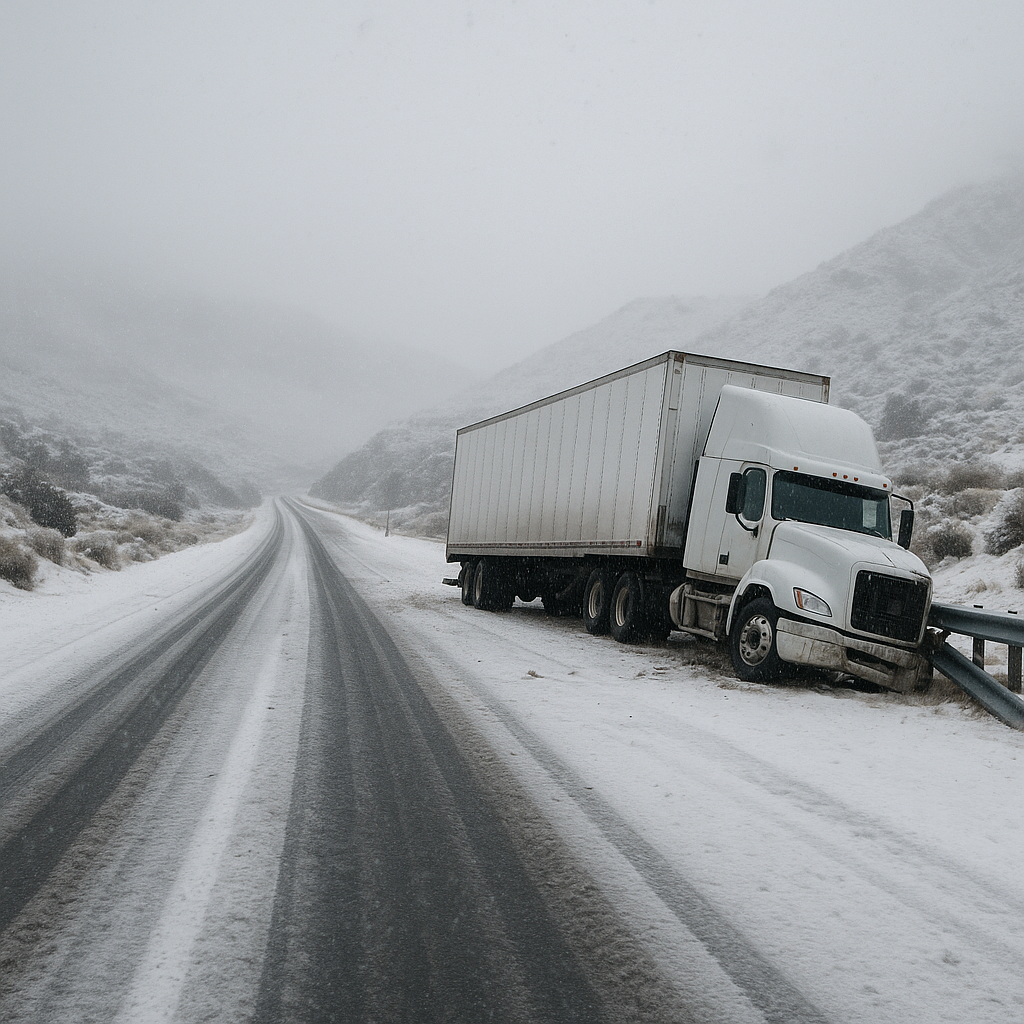
Winter Truck Crash Patterns Nevada Reveal Critical Safety Trends
Overview of the Trend or Pattern
Nevada’s unique geography and climate create distinctive challenges for drivers, especially during the winter months. While most of the state experiences a desert climate, northern Nevada and mountainous regions endure significant snowfall and icy conditions between late fall and early spring. These weather changes have a marked impact on commercial vehicle safety, particularly large trucks transporting goods across highways and mountain passes.
An examination of recent winter truck crash patterns in Nevada reveals crucial insights into how weather, road design, and driver behavior converge to increase crash risk. Though Nevada tends to have fewer snow days compared to more northerly states, specific corridors such as Interstate 80 through the Sierra Nevada and U.S. Route 50 over the central mountains exhibit recurring winter-related truck accidents. These incidents tend to cluster during snowstorms, icy conditions, and periods immediately following rapid temperature shifts.
Understanding the underlying trends specific to Nevada’s winter truck crashes is essential for transportation agencies, commercial fleets, and policymakers aiming to improve safety. This article explores the primary crash patterns, contributing factors, and the role of Nevada’s terrain and weather in aggravating crash severity.
Common Factors Behind the Pattern
Several common factors contribute to winter truck crash patterns in Nevada, revealing a consistent framework of risks for commercial vehicle operators. These include:
Weather-Related Road Conditions
Snow, ice, and freezing rain are leading factors in reduced vehicle control for trucks. In Nevada, sudden weather changes often catch drivers unprepared, especially in higher elevations like the Carson Range or Ruby Mountains. Ice patches and compacted snow on highway sections create slippery surfaces. The freezing–thawing cycles common in winter lead to variable traction conditions, increasing the likelihood of jackknifing or loss-of-control events.
Mountainous Terrain and Road Geometry
Nevada’s winter truck crashes frequently occur in mountainous stretches where steep grades, sharp curves, and limited sight distances require careful maneuvering. Descending steep grades in icy conditions presents braking challenges, particularly for fully loaded trucks. Areas such as the Donner Pass section of I-80 or the Spooner Summit near Lake Tahoe are notorious for truck incidents during winter storms due to these topographical constraints.
Driver Experience and Preparedness
Truck drivers unfamiliar with Nevada’s winter terrains or those without adequate training in winter driving techniques are more vulnerable to crashes. Understanding how to use chains, adjust speed for conditions, and anticipate black ice patches is critical. Human factors like fatigue and distraction compound these risks, especially during long hauls traversing remote routes with minimal roadside assistance during severe weather.
Vehicle Maintenance and Equipment
Proper maintenance of commercial trucks—including tire condition, braking systems, and windshield wipers—is vital in winter months. Failure to equip trucks with snow chains or traction devices when mandated can lead to serious accidents. Moreover, inadequate defrosting or poor visibility due to unclean windows has also been linked to winter crashes.
Traffic Volume and Incident Response
While traffic on Nevada’s key freight corridors remains steady year-round, peak winter periods may see slower-moving vehicles due to weather impacts, leading to congestion and increased rear-end collisions involving trucks. Incident response times during heavy snow or storm conditions also affect crash outcomes, as prolonged exposure to hazards can elevate injury severity.
Why Severity May Be Higher in Nevada Conditions
Winter truck crashes in Nevada tend to have a heightened severity compared to non-winter months for several reasons tied directly to the state’s conditions:
Extreme Weather Rapidly Changing Conditions
Nevada’s weather can shift quickly, such as after a rapid temperature drop leading to black ice formation or sudden snow squalls that reduce visibility. These abrupt changes increase the risk of high-speed loss of control crashes, which are more likely to cause significant damage or fatalities.
Remote and Mountainous Crash Locations
Many winter truck crashes occur in remote, mountainous areas far from urban centers. Emergency response times can be delayed by snow-covered or restricted-access roads, which increases the potential for severe injuries due to delayed medical care or prolonged exposure to cold.
Increased Risk of Secondary Crashes
Slippery winter road surfaces magnify the risk of multi-vehicle pileups, especially on busy interstate corridors such as I-15 or I-80. When large trucks lose control or stop suddenly on icy roads, multi-vehicle collisions can quickly escalate in severity, involving passenger vehicles and emergency responders.
Heavy Load Implications
Fully loaded trucks weighing tens of thousands of pounds have longer stopping distances and reduced maneuverability on snow and ice, which can turn a minor incident into a catastrophic crash. The inertia from a heavy truck sliding downhill or jackknifing on a curve can lead to rollover events and extended highway closures.
How Patterns Change Over Time
Winter truck crash patterns in Nevada evolve in response to multiple factors, including changes in infrastructure, vehicle technology, weather patterns, and regulatory shifts.
Infrastructure Improvements and Road Treatments
Nevada’s Department of Transportation continually invests in winter maintenance strategies like timely snow plowing, anti-icing treatments, and avalanche risk mitigation, which have helped reduce severe crashes on critical passes. Upgraded road signage, electronic message boards, and truck chain-up areas also contribute to improved safety over time.
Advances in Truck Technology
The adoption of advanced driver assistance systems (ADAS) such as electronic stability control, anti-lock braking systems (ABS), and adaptive cruise control in trucks helps mitigate winter driving risks. Over the years, more trucking fleets have integrated such technologies, reshaping crash dynamics and potentially reducing incident frequency and severity during winter.
Climate Variability and Snowfall Trends
Nevada has experienced fluctuating winter snowfall amounts over recent decades due to climate variability. Some years see intense storms creating higher crash risks, while milder winters reduce the number of winter-related truck collisions. Changing weather patterns also influence infrastructure readiness and emergency response strategies.
Regulatory and Training Developments
Improved regulations concerning truck chain use, driver qualifications, and mandatory rest periods aim to enhance winter driving safety. States periodically update their winter travel restrictions and require enhanced training for truck operators navigating mountain routes in winter, which alters crash trends and safety outcomes.
Neutral Closing Paragraph
Examining winter truck crash patterns in Nevada offers important lessons for transportation safety in regions facing similar climatic and topographical challenges. While the state’s winter weather presents unique hazards, a combination of infrastructure investment, driver education, and technological advancements is making winter trucking safer over time. Ongoing analysis of crash data and adaptive safety practices remain essential to mitigating risks and protecting all roadway users during Nevada’s winter months.