
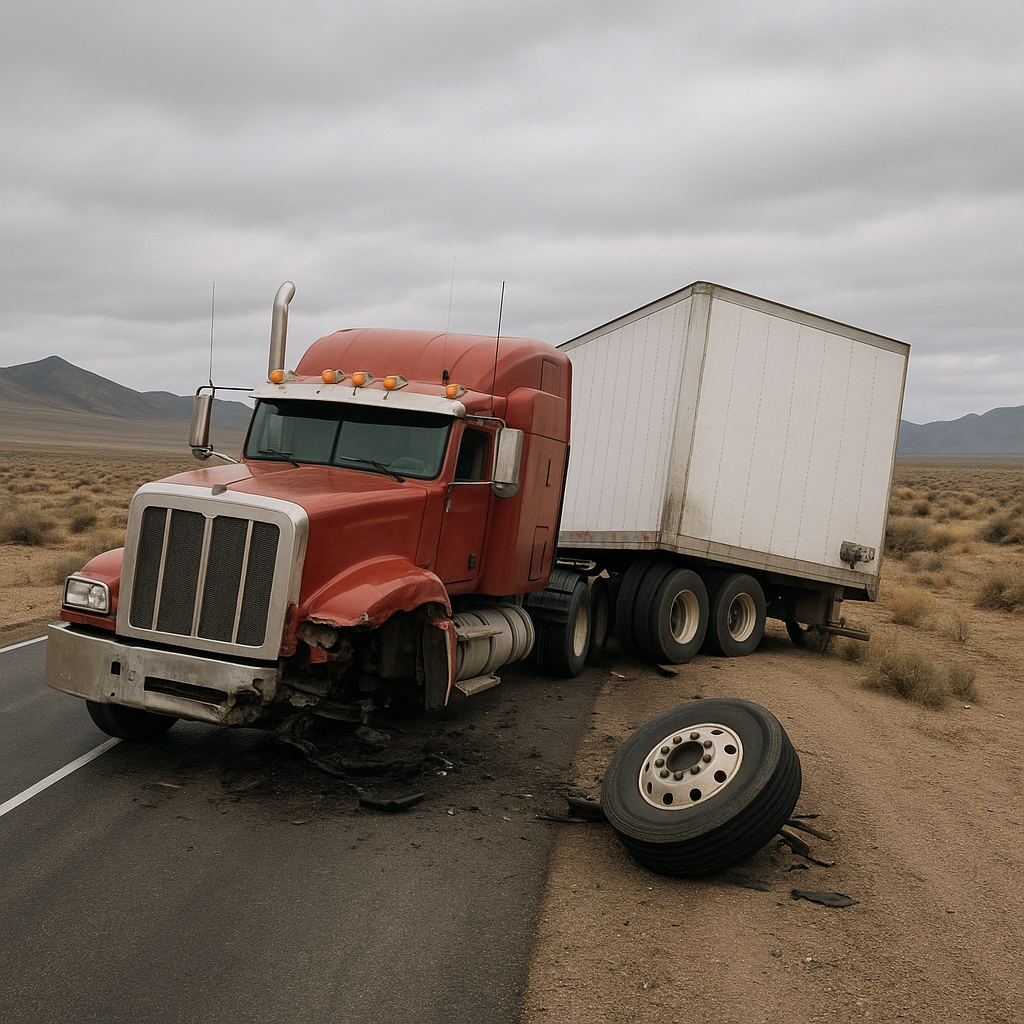
Nevada Truck Accident Patterns Brake Failure: Analyzing Causes and Prevention Strategies
Overview of the Trend or Pattern
Nevada, with its extensive network of highways and vast stretches of desert terrain, plays a critical role in the nation’s freight and transportation industries. Every day, thousands of trucks traverse its roads, carrying essential goods both within the state and across the country. However, one safety issue that continues to pose risks for truck drivers and other motorists alike is brake failure. Examining Nevada truck accident patterns related to brake failure reveals important insights into why these incidents occur and what can be done to prevent them.
Brake failure in trucks refers to the inability of a vehicle’s braking system to effectively slow down or stop the vehicle when required. When a truck’s brakes fail, the results can be catastrophic due to the truck’s size and momentum. Instances of brake failure-related accidents have become an alarming pattern in Nevada’s road safety reports. Understanding this pattern aids safety practitioners, trucking companies, and policymakers in addressing underlying causes and improving road safety outcomes.
Common Factors Behind the Pattern
Several key factors contribute to brake failure in Nevada truck accident patterns. These elements often intersect, compounding the risks.
1. Geographic and Roadway Conditions
Nevada is characterized by mountainous regions, steep grades, and long downhill stretches, especially on routes like U.S. Route 95 and Interstate 15. Trucks descending steep declines experience significant strain on their braking systems as drivers utilize brakes to control speed on these slopes. Overuse can lead to overheating, which in turn causes brake fade or complete failure.
2. Vehicle Maintenance Practices
Brake systems require regular inspections and maintenance to ensure they perform correctly. Issues such as worn brake pads, leaking brake fluid, or malfunctioning air brakes can escalate into complete brake failure under demanding conditions. Unfortunately, lapses in maintenance can occur due to oversight, cost-cutting pressures, or inadequate regulatory scrutiny.
3. Load Weight and Cargo Distribution
Excessive loads or improper cargo distribution increase the stopping distance required for trucks. Heavier loads put additional pressure on brake components. When combined with steep descents, poorly balanced cargo can shift and destabilize the vehicle, complicating control and braking.
4. Driver Training and Fatigue
Drivers who are unaware of proper braking techniques on descents or unfamiliar with their vehicle’s limits might unintentionally accelerate brake wear. Additionally, driver fatigue reduces reaction time and decision-making ability, increasing chances of brake failure-related accidents.
5. Environmental Factors
Nevada’s arid climate influences brake system performance. Dust and sand from desert environments can infiltrate brake components, accelerating wear and tear. High temperatures may also exacerbate overheating problems during prolonged braking.
Why Severity May Be Higher in Nevada Conditions
The severity of truck accidents involving brake failure in Nevada tends to be higher than in other regions for a number of reasons unique to the state’s environment and infrastructure.
Steep Grades and Long Descents
Nevada’s highways commonly feature long downhill stretches where trucks pick up speed rapidly. Failure of brakes on such slopes results in longer stopping distances and less time to react, increasing accident severity. Runaway truck ramps are installed on some steep roads as emergency stopping sites, but these ramps are not universally available or accessible.
Sparse Population and Emergency Response Times
Many Nevada highways run through remote areas with limited population centers. In the event of severe accidents, emergency response times can be longer than in urban areas, potentially worsening outcomes for victims.
High-Speed Travel and Traffic Mix
Nevada’s wide-open highways encourage higher driving speeds, including for trucks. The mix of passenger vehicles and large trucks at high speeds amplifies crash impact forces and can cause multiple-vehicle pile-ups in the event of brake failure.
Harsh Desert Climate Effects
Extreme heat can cause mechanical failures, including brake system overheating. The repetitive thermal stress on components without ample cooling makes brake degradation happen faster, elevating accident likelihood and severity.
How Patterns Change Over Time
Truck accident patterns related to brake failure in Nevada have evolved with changes in infrastructure, vehicle technology, regulation, and industry practices.
Improvements in Brake Technology
Advances such as anti-lock braking systems (ABS), electronic brake controls, and improved air brake designs have enhanced truck braking reliability. However, these technologies require proper maintenance and integration to be effective.
Regulatory Enhancements and Inspections
Nevada’s regulatory agencies, alongside federal bodies, continuously update standards for truck safety inspections and maintenance requirements. Increased roadside inspections and stricter enforcement improve compliance but rely heavily on industry cooperation.
Infrastructure Developments
The construction of additional runaway truck ramps, warning systems for steep grades, and better signage helps prevent brake failure accidents or reduces their consequences. Investment in infrastructure is ongoing but must keep pace with traffic growth.
Industry Training and Safety Programs
Awareness programs focused on driver education, proper cargo loading, and brake management on descents have become more widespread. Trucking companies are incorporating telematics and monitoring technology to detect brake system issues early.
Impact of Economic and Traffic Volume Shifts
Fluctuations in freight volumes affect how frequently trucks travel hazardous routes and how intensively their brake systems are used. Economic booms generally increase transportation activity, potentially raising accident exposure.
Neutral Closing Paragraph
While brake failure remains a significant concern within Nevada truck accident patterns, ongoing efforts by regulators, industry stakeholders, and drivers aim to mitigate risks and enhance safety. Nevada’s unique topography and climate pose challenges for truck braking systems, but through a combination of vigilant maintenance, technological adaptation, careful driving practices, and infrastructure improvements, the frequency and severity of brake failure-related accidents can be reduced. Continued research and monitoring of these patterns will help guide effective prevention strategies to protect all road users in Nevada.