
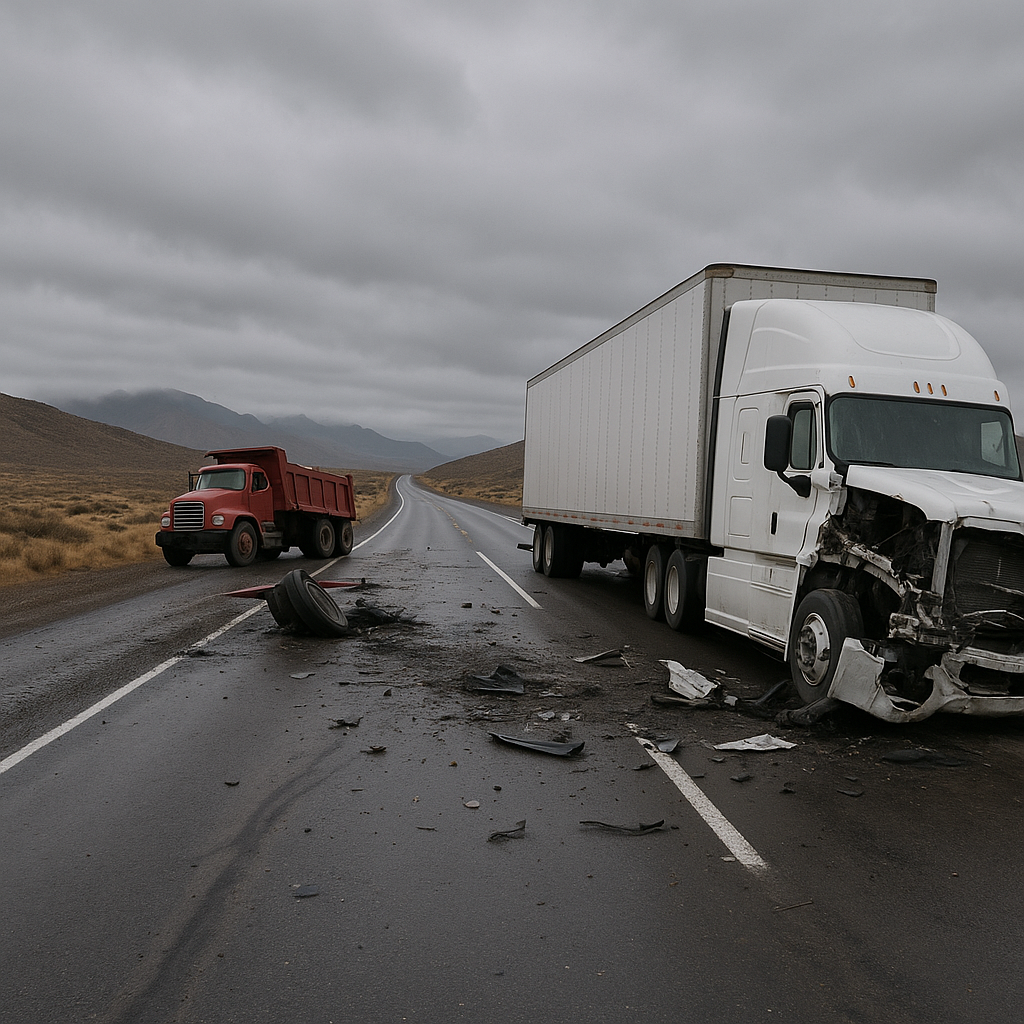
Nevada Truck Crash Patterns Weather Conditions: Analyzing the Impact of Weather on Truck Accidents
Overview of the Trend or Pattern
Nevada’s unique geography and climate play a significant role in shaping the patterns of truck crashes across the state. The state’s vast deserts, mountainous terrain, and fluctuating weather conditions create distinct challenges for truck drivers navigating its highways and backroads. Analyzing the interplay between Nevada truck crash patterns and weather conditions reveals important insights into how weather impacts road safety for heavy commercial vehicles.
Truck crashes in Nevada often correlate strongly with changes in weather, including sudden storms, snow in higher elevations, fog, and the intense heat typical of the region. While Nevada is predominantly arid with clear skies for much of the year, the variability of weather—ranging from dry heat to snow-covered mountain passes—can significantly affect driving conditions and truck driver visibility, traction, and vehicle control. Understanding these patterns aids transportation authorities, truckers, and public safety officials in identifying risk factors and promoting safer practices on Nevada roads.
Common Factors Behind the Pattern
Several factors commonly contribute to the association between Nevada truck crash patterns and weather conditions. These include:
1. Road Surface Conditions
Nevada’s weather can drastically alter the condition of road surfaces. Rainfall, although infrequent, can lead to slick pavement or unexpected flash flooding, particularly in desert washes and washes prone to water accumulation. In winter, snow and ice affect high-altitude routes such as those near Reno or in the Sierra Nevada mountain range. When snow or ice form, trucks—due to their weight and longer stopping distances—face a heightened risk of losing traction, jackknifing, or sliding off the road.
2. Reduced Visibility
Fog and dust storms are a marked hazard in Nevada and the southwestern United States. Dust storms, also called haboobs, can severely limit visibility on highways that cut through desert areas, resulting in crash clusters involving trucks that need more time and distance to safely react to sudden obstacles or halted traffic. Similarly, fog in the early morning or in mountainous terrain reduces sight distance, making it challenging for truck drivers to judge distances and speeds of other vehicles or roadway hazards.
3. Temperature Extremes and Mechanical Stress
Nevada experiences extreme heat during summer months, which can impose mechanical stress on trucks. High temperatures may lead to tire blowouts or engine overheating, increasing the likelihood of accidents. Meanwhile, colder temperatures at elevation cause icy patches that are harder to detect, resulting in dangerous conditions for trucks not equipped with proper tires or chains.
4. Driver Fatigue and Decision-Making
Weather changes can impact a truck driver’s mental and physical alertness. Attempting to drive through a sudden snowstorm or intense dust cloud in Nevada can increase stress and fatigue, potentially leading to slower reaction times or risky driver decisions like sudden lane changes or inappropriate speed adjustments relative to road conditions.
Why Severity May Be Higher in Nevada Conditions
Truck crashes in Nevada often result in severe consequences compared to some other states, primarily due to several interacting factors related to the state’s weather and environment:
1. Remote and Rural Highway System
Nevada is characterized by long stretches of rural highways that often lack immediate emergency services access. In the event of a truck crash caused or exacerbated by weather, particularly severe ones like jackknifes or rollovers, delayed emergency response times can result in higher injury severity or complications.
2. Mountainous and Desert Terrain
The state’s diverse terrain includes sharp mountain curves, elevation changes, and desert highway stretches with limited guardrails or safety barriers. Trucks losing control on icy mountain roads or in windy desert corridors often face hazards such as steep embankments, cliffs, or obstacles that increase the risk of serious crashes.
3. Extreme Weather Events
Nevada’s weather can shift quickly—from blistering heat to snow and ice—and this variability can catch drivers off guard. Rapid changes in road conditions without advanced warnings increase the chances of secondary crashes where trucks slide into other vehicles or obstacles.
4. High-Speed Limits
Certain stretches of Nevada highways permit relatively high speed limits, which reduce the margin for error during adverse weather. Trucks, owing to their longer stopping distances and larger blind spots, may find it difficult to safely reduce speed in sudden weather events, resulting in more severe collisions.
How Patterns Change Over Time
Weather-related truck crash patterns in Nevada are not static but evolve due to several factors:
Seasonal Variation
Throughout the year, Nevada’s weather-driven crash patterns shift with seasons. Winters usually bring the highest risk of truck crashes linked to snow and ice, particularly near northern and mountainous parts of the state. Conversely, summers bring hazards mainly related to heat stress and sudden dust storms.
Infrastructure and Technology Improvements
Advancements in road maintenance, such as improved weather forecasting, snowplowing, and use of de-icing chemicals on key routes, help mitigate some crash risks during winter. Moreover, the adoption of GPS navigation and real-time weather alerts for truck drivers allows better planning and avoidance of hazardous routes.
Climate Change Impact
Nevada’s climate is experiencing trends toward increased variability, with potential for more intense storm events and prolonged droughts. This could influence future truck crash patterns by creating more unpredictable weather scenarios on roads, challenging both infrastructure resilience and driver preparedness.
Regulatory and Industry Response
Trucking companies increasingly emphasize weather-specific training and equip trucks with safety technologies like electronic stability control and automatic braking systems. These measures can reduce the frequency and severity of crashes tied to Nevada’s weather patterns over time.
Closing Thoughts
Examining Nevada truck crash patterns in relation to weather conditions underscores the complex relationship between environment, vehicle dynamics, and driver behavior. While Nevada’s weather is often ideal for travel, the state’s unique geographic and climatic conditions occasionally produce hazardous scenarios for truck drivers. Understanding these patterns provides critical insight for drivers, fleet managers, and transportation planners as they work together to reduce the impact of weather-related risks on trucking safety in Nevada. Preparing for the variable weather—from desert dust storms to snowy mountain passes—remains a key element in promoting safer roads for trucks and all travelers throughout the Silver State.