
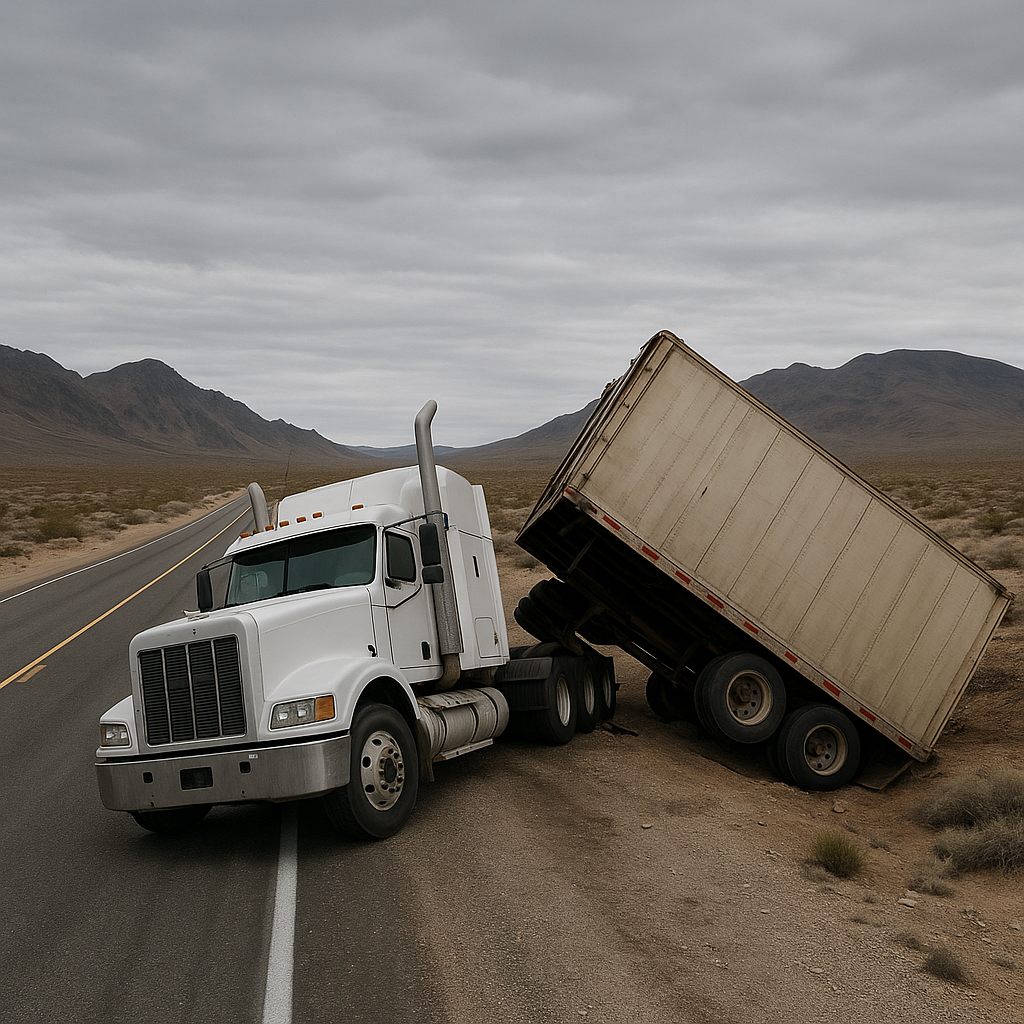
Why Do Truck Crashes Happen So Often in Nevada?
Why Nevada Drivers Ask This Question
If you frequently travel Nevada’s highways, or simply keep an eye on the news, you’ve likely noticed reports of truck crashes cropping up with concerning regularity. Whether you’re a daily commuter on I-15 through Las Vegas, a long-haul driver on I-80, or a resident of smaller communities, the question “why truck crashes happen often in Nevada” resonates. With commercial trucking essential to Nevada’s economy and supply chains, understanding the factors behind frequent truck accidents is an important concern for locals and travelers alike.
Clear Explanation with Nevada Context
Truck crashes in Nevada aren’t just a statistical blip. Several factors make the Silver State especially vulnerable to these incidents. Geography, weather, unique road conditions, high volumes of interstate freight, and human error all combine to form a landscape where truck accidents are unfortunately common.
1. Long Stretches of Remote Highways
Nevada’s highways, such as I-80 and US-95, slice through vast, remote desert regions with minimal services and limited lighting. These endless stretches can lead to driver fatigue, inattention, and delayed emergency response times. When drivers, truckers or otherwise, become fatigued or distracted on these monotonous routes, the risk of collisions increases.
2. Heavy Commercial Traffic
Nevada is a significant throughway for freight moving between California and states further east. Major trucking corridors like I-15 experience dense, round-the-clock commercial traffic. The sheer volume of large trucks sharing the road with passenger vehicles makes accidents statistically more likely.
3. Sudden Weather Changes
Nevada’s weather can change rapidly—clear skies give way to dust storms, rain, high winds, or icy conditions, particularly in mountainous northern areas. These shifts can catch drivers off guard. Strong winds, for example, have been known to tip over high-profile trucks, especially when they’re empty or only partially loaded. Meanwhile, sudden rain after long dry spells can create slick oil patches, compromising traction.
4. Road Infrastructure and Construction Zones
With Nevada’s growing population and booming tourism, constant construction and maintenance on highways is the norm. Lane shifts, narrowed shoulders, and poorly marked detours can all contribute to confusion and accidents involving trucks, which need far more space than passenger vehicles to stop or maneuver.
5. Driver-Related Factors
While plenty of truckers in Nevada are experienced professionals, driver-related issues still rank high among accident causes. Speeding, distracted driving (such as texting or using GPS), and failing to adjust driving for road or weather conditions can lead to serious crashes. Trucking schedules are often tight, encouraging some drivers to push themselves harder than is safe, leading to fatigue.
Helpful Background Information
Nevada’s strategic position as a transit and logistics hub means its highways see some of the highest percentages of heavy truck traffic in the western United States. According to data from the Nevada Department of Transportation (NDOT), thousands of large trucks pass through central interstates every day, carrying everything from perishables to electronics.
The mix of traffic includes not just semis, but also construction vehicles, oversized loads, and sometimes even hazardous materials. Nevada’s topography—wide valleys, mountain passes, and sudden elevation changes—can test even the most seasoned drivers, especially when fully loaded trucks descend steep grades.
Additionally, tourist traffic adds another layer. During weekends, holidays, and major events in Las Vegas or Reno, a huge influx of rental cars and out-of-state visitors means more drivers unfamiliar with local roadways and truck-heavy corridors, increasing collision risks.
Common Misconceptions
When seeking answers about why truck crashes happen often in Nevada, several myths often surface:
Myth 1: “Truck crashes only happen because truck drivers are careless.”
In reality, crash statistics show that responsibility is often shared between passenger vehicle drivers and truck drivers. Sometimes drivers of smaller vehicles cut in front of trucks without accounting for their longer stopping distances.
Myth 2: “Most truck accidents occur in city traffic.”
While city congestion does see its share of fender benders, many of Nevada’s most serious truck accidents actually happen on open highways, where higher speeds and fatigue are bigger factors.
Myth 3: “Weather is only a problem in winter.”
In Nevada, truck crashes are linked to a variety of weather conditions year-round, from severe summer winds to sudden rainstorms, not just winter ice or snow.
Myth 4: “Modern safety technology eliminates most risks.”
Despite improvements like lane-departure warnings and collision avoidance systems, technology is no substitute for attentive, well-rested drivers and safe road design.
Closing Paragraph
Truck crashes on Nevada’s highways are frequent due to a perfect storm of geography, traffic volume, unpredictable weather, demanding schedules, and infrastructural challenges. While commercial vehicles are a vital part of the state’s economy and daily life, their sheer size and the unique pressures of traveling through Nevada’s landscapes mean that accidents are a persistent risk. Understanding why truck crashes happen often in Nevada helps drivers of all vehicles stay alert and cautious, making the state’s roads safer for everyone.