
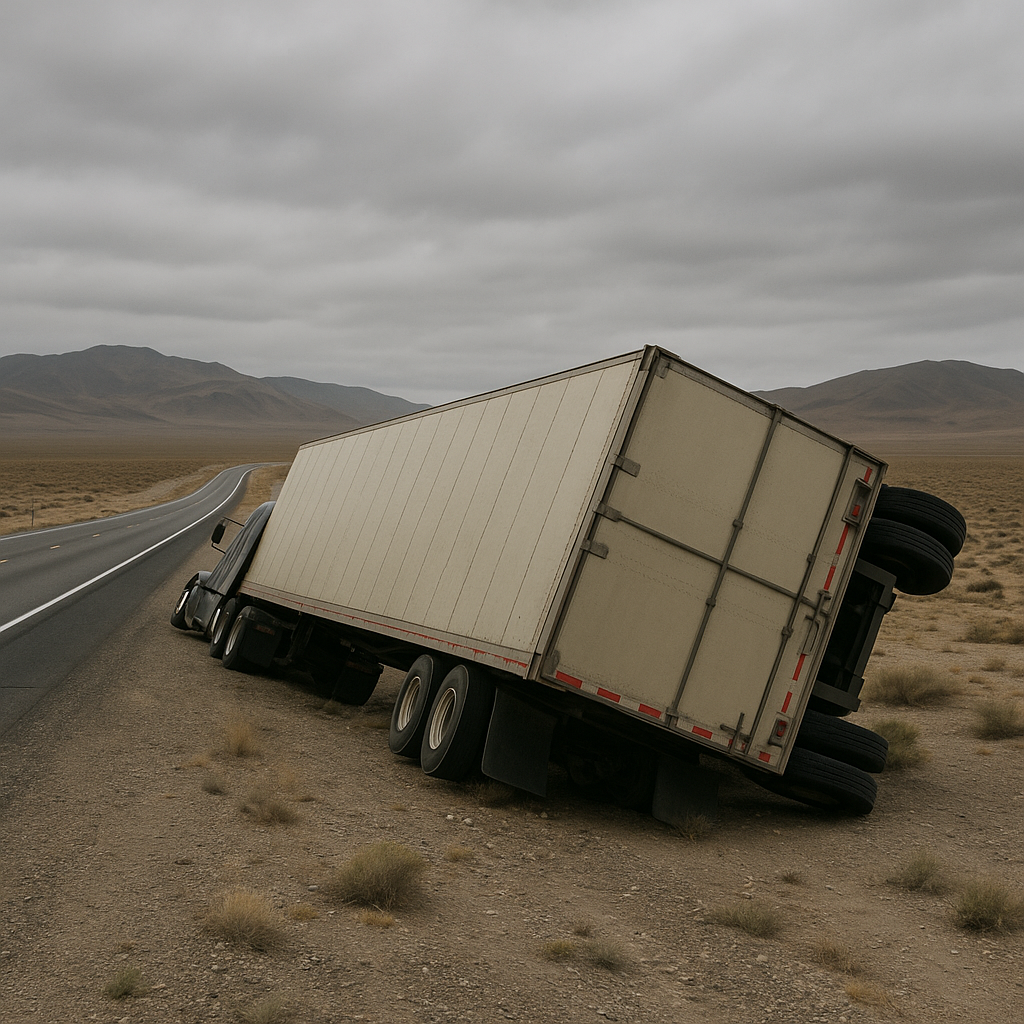
Do High Winds Cause Semi Truck Rollovers in Nevada?
Why Nevada Drivers Ask This Question
Nevada’s roads are a lifeline for transporting goods across the western United States, and semi trucks are a familiar sight along highways like I-80, I-15, and US-95. But driving through the Silver State often means navigating stretches of open desert, high-altitude passes, and wide valleys—landscapes that are especially prone to strong winds. Locals and travelers alike frequently see wind warnings blinking on overhead signs or receive alerts about gusty conditions. It’s no surprise, then, that many people wonder: Do high winds cause semi truck rollovers in Nevada? As a hotspot for trucking traffic and extreme weather, understanding this risk is important for truckers and everyday drivers alike.
Clear Explanation with Nevada Context
The short answer is yes—high winds can and do cause semi truck rollovers in Nevada. Certain sections of the state regularly experience wind gusts well above 50 mph, which create hazardous conditions particularly for large, tall, and often lightly loaded vehicles like semi trucks. Rollovers are a documented risk during high-wind events, especially in Nevada’s central and southern regions where open stretches of highway are common.
Helpful Background Information
Nevada’s Weather: Wind Patterns and Hotspots
Nevada’s geography contributes to frequent and sometimes severe wind events. Storms, rapid temperature shifts in the desert, and mountain passes generate powerful gusts. Notable wind-prone corridors include:
– I-15 between Las Vegas and the California state line
– I-80 across the northern desert
– US-95 between Tonopah and Hawthorne
Weather events such as cold fronts and low-pressure systems passing through the region can provoke sudden, intense gusts. The National Weather Service often issues High Wind Warnings for these stretches.
How Semi Truck Rollovers Happen
Semi trucks—especially those pulling empty or lightly loaded trailers—are vulnerable to wind because of their high center of gravity and large, flat side surfaces. When powerful crosswinds hit:
– The trailer acts like a sail, catching the wind.
– If the gust is strong enough, or the driver can’t countersteer in time, the trailer can tip, pulling the tractor over.
– High-profile vehicles like box trucks, RVs, and buses are similarly at risk.
Nevada’s long, straight highways mean sustained wind exposure, making the risk higher during extended wind events.
Documented Incidents in Nevada
There have been several high-profile semi truck rollovers due to wind in Nevada. For example:
– In March 2019, a strong windstorm on I-80 near Fernley caused several big rigs to overturn, leading to highway closures.
– Each year, the Nevada Highway Patrol responds to multiple semi truck rollovers attributed directly to wind gusts, especially during spring and fall.
Local news often reports incidents of rollovers and jackknifes during high wind events, particularly when wind advisories are ignored.
Common Misconceptions
“Only Empty Trucks Are at Risk”
While empty trailers are indeed more likely to roll, loaded trucks can also overturn in sufficiently strong winds. Load distribution plays a role, but no semi is fully immune when gusts reach extreme levels.
“Wind Warnings Should Be Ignored—They Don’t Affect Pro Drivers”
Even seasoned truckers can underestimate the power of a severe Nevada wind gust. The experience can help with judging risk, but high wind warnings are based on consistent evidence of hazard. Many rollovers involve professional drivers who simply encountered gusts too powerful to overcome.
“Rollovers Only Happen During Storms”
While storms bring strong gusts, Nevada’s wind events can also occur on otherwise clear, sunny days due to pressure gradients and mountain pass effects. It’s common for highways to be dry and visible, yet treacherously windy—wind isn’t always accompanied by poor weather.
“Passenger Cars Have the Same Risk”
It’s true that wind affects all vehicles, but the risk of rollover is far higher for high-profile vehicles like semis, compared to passenger cars. Smaller vehicles are more likely to be pushed out of their lane than to actually overturn.
Closing Paragraph
To sum up, high winds are a serious cause of semi truck rollovers in Nevada, thanks to the state’s unique geography, weather patterns, and extensive trucking routes. Whether you’re a truck driver, a passenger car commuter, or a highway safety enthusiast, being conscious of wind advisories—and understanding their real risks—can make Nevada’s roads safer for everyone. If you travel through windy corridors, especially during peak gust seasons, staying informed and cautious is the best way to avoid becoming part of Nevada’s rollover statistics.