
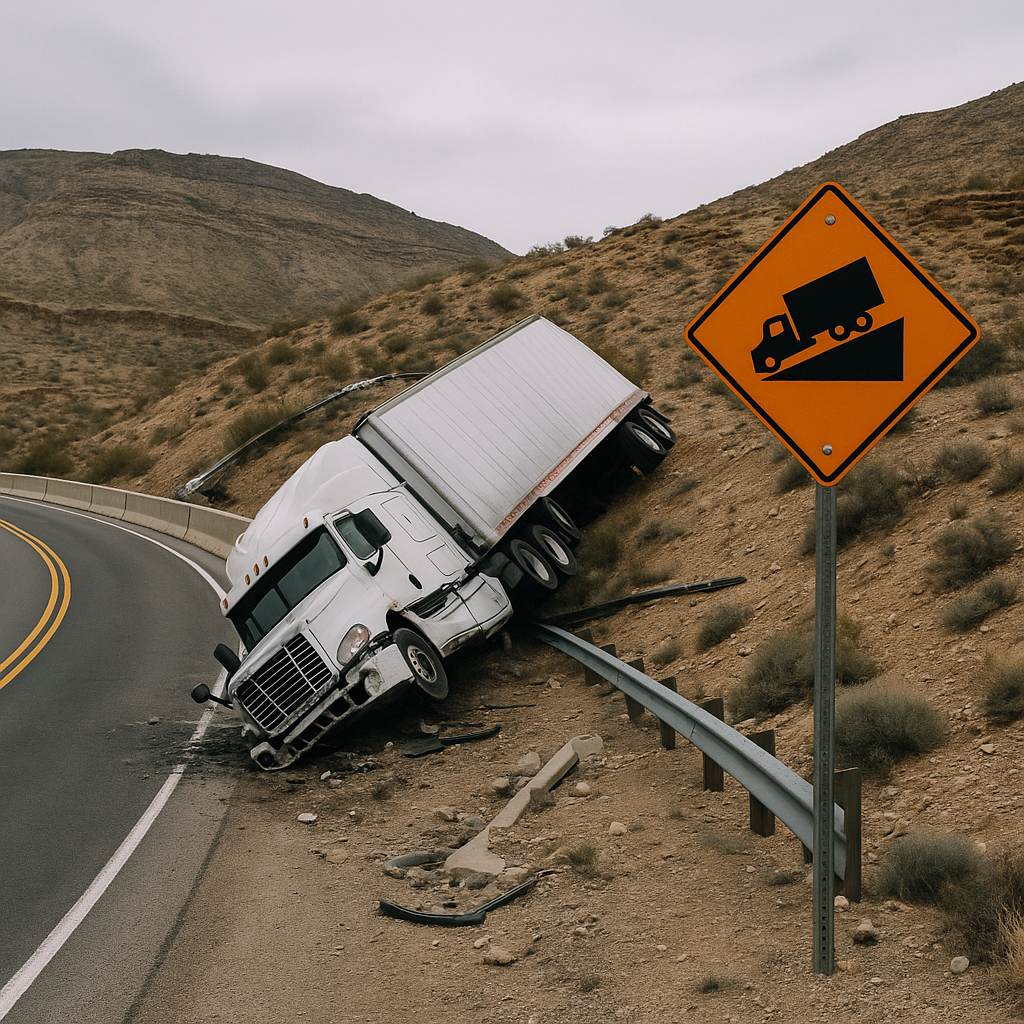
What is a Runaway Truck Accident in Nevada?
If you’ve ever traveled Nevada’s highways and bustling mountain passes, you may have noticed signs warning about “runaway trucks” or even encountered emergency truck ramps along the roadside. But what exactly does this mean? Here we answer the question: What is a runaway truck accident in Nevada? We’ll clarify why this topic matters to Nevada drivers, provide Nevada-specific context, and clear up common myths along the way.
Why Nevada Drivers Ask This Question
Nevada boasts an intricate network of major highways, bustling interstates, and dramatic mountain terrain—especially in regions like the Sierra Nevada and around Carson City and Reno. Since Nevada is also a crossroads for coast-to-coast freighting and shipping, large commercial trucks are a constant presence on its roads.
Drivers in Nevada are particularly attuned to the risks posed by large trucks, and runaway truck incidents can be especially dangerous on the state’s steep grades and winding highways. Notably, stretches of Interstate 80 and U.S. Route 50 are known for their elevation changes and potential for brake failure in heavy vehicles. For this reason, many drivers want to know: “What exactly is a runaway truck accident, how might it affect me, and why is it prevalent in Nevada?”
Clear Explanation with Nevada Context
A runaway truck accident in Nevada refers to an incident where a large commercial vehicle—typically a semi-truck, tractor-trailer, or other freight-carrying truck—loses the ability to slow down or stop, most commonly while descending steep grades or mountain passes. This loss of control is usually due to brake failure or overheating.
In Nevada, these scenarios often unfold on downhill stretches where a truck’s brakes are placed under intense, sustained pressure. When brakes overheat, they can lose effectiveness altogether—a phenomenon known as “brake fade.” If the driver cannot regain control, the vehicle may “run away,” barreling down the incline with increasing speed and no practical way to stop. This can result in collisions with other vehicles, loss of vehicle control, or trucks veering off the roadway.
Nevada’s mountain highways anticipate this danger. That’s why you’ll see emergency escape ramps or “runaway truck ramps” in strategic locations—these are long, sand- or gravel-filled lanes designed to slow and stop trucks that have lost braking power. Drivers are warned about upcoming ramps through road signs, and these ramps have saved many lives.
Helpful Background Information
The term “runaway truck” is not unique to Nevada, but the state’s geographic features—steep grades, rapid elevation changes, and long stretches of rural highway—make it especially relevant. The risk factors include:
– Steep Mountain Roads: For example, sections of I-80 west of Reno and U.S. 93 include prolonged descents.
– Heavy Freight Traffic: Nevada is a major shipping corridor between California and the rest of the U.S.
– Weather Conditions: The state’s hot summers can exacerbate brake overheating, while winter conditions can reduce traction.
Truck drivers are trained in “proper braking techniques,” such as downshifting and using engine brakes (“Jake brakes”) on downgrades. However, mistakes like excessive reliance on wheel brakes, overloaded trailers, or improperly maintained braking systems can lead to disaster.
Runaway truck accidents can have severe consequences, including massive collisions, property damage, road closures, and unfortunately, sometimes fatalities. This makes it critical for both truck drivers and all other road users to remain vigilant—especially when sharing the road on Nevada’s mountainous routes.
Common Misconceptions
Some common misconceptions about runaway truck accidents in Nevada include:
– They Only Happen to Reckless Drivers: While driver error is one factor, mechanical failure or unexpected difficulties (such as a sudden need to stop) often play a role. Even experienced drivers can be caught off-guard.
– Runaway Truck Ramps Are a “Last Resort,” Not a Solution: While using a runaway ramp may damage the truck, it is specifically designed to safely stop out-of-control trucks and often prevents tragedies.
– Modern Trucks Don’t Have Runaway Incidents: Even with modern safety technology, the risks associated with overheating brakes and extreme terrains have not been fully eliminated.
– Passenger Vehicles Aren’t at Risk: While the truck may be the main “runaway,” any driver in the pathway of an out-of-control truck—especially on crowded Nevada highways—can be at tremendous risk.
It’s also worth noting that Nevada’s Department of Transportation (NDOT) works to identify dangerous stretches and install runaway ramps where feasible, but not every hazardous grade is equipped. All drivers should stay aware on steep descents, give trucks extra space, and respect posted warning signs.
Closing Paragraph
Runaway truck accidents in Nevada are a serious matter that arises from the state’s unique geography, heavy freight traffic, and variable weather. Understanding what constitutes a runaway truck accident—and spotting the warning signs—can help drivers of all kinds stay safer on Nevada roads. By staying alert, respecting truck ramps and warning signs, and giving commercial vehicles plenty of space on downhill grades, Nevada drivers can do their part to reduce the risk of these dramatic and often dangerous incidents.