
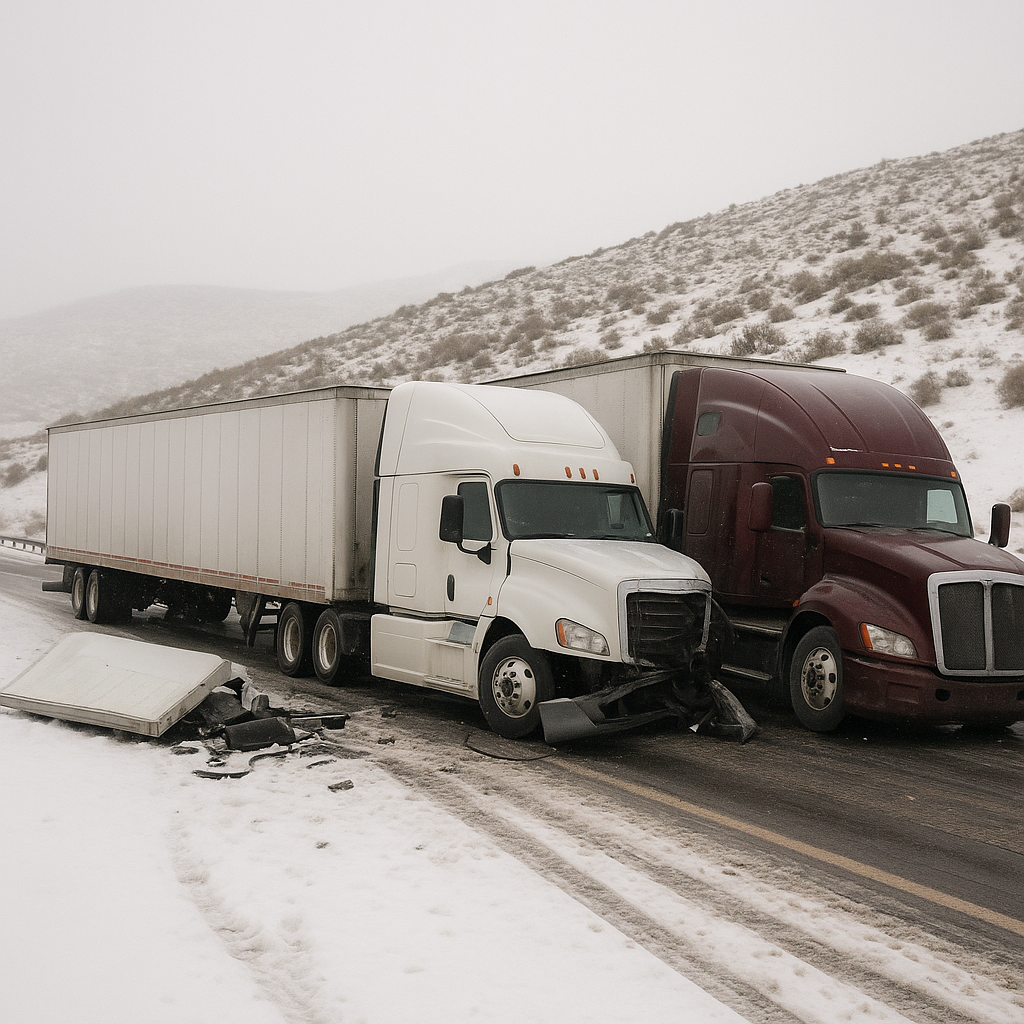
Do Semi Trucks Crash More Often in Nevada Winter?
Why Nevada Drivers Ask This Question
Winter in Nevada means more than just a dip in temperature. While many people associate the Silver State with sunbaked deserts and dry highways, those who drive—especially along Interstate 80, US 50, or through the mountains near Reno and Ely—know that winter brings its own set of hazards. Slick roads, icy mountain passes, sudden weather changes, and high winds often make driving treacherous, raising an important question for Nevada’s truckers and motorists alike: Do semi trucks crash more often in Nevada winter?
Residents and regular travelers across the state are acutely aware of stories and local news reporting multi-vehicle pileups involving semi trucks during the colder months. Whether it’s a friend’s harrowing tale on the I-15 or the sight of flashing lights from a distance on a snow-blown highway, these experiences make many wonder if dangers really do spike as winter sets in. Businesses reliant on trucking routes, families traveling for the holidays, and everyone sharing the road with big rigs have good reasons to ask—and to seek reliable information.
Clear Explanation with Nevada Context
Let’s address the central concern: Do semi trucks crash more often in Nevada winter? The short answer is _yes, there is a documented increase in commercial vehicle crashes during the Nevada winter months_, but the full picture is rooted in several Nevada-specific factors.
Helpful Background Information
Nevada’s unique topography and climate play huge roles in winter accident rates. High-altitude passes such as Donner Summit and mountain corridors in the north routinely see ice, snow, and whiteout conditions. The Nevada Department of Transportation and the Nevada Highway Patrol often issue advisories, chain requirements, or even close roads entirely in the face of severe winter weather.
National data from the Federal Motor Carrier Safety Administration (FMCSA) supports the trend seen in Nevada: nearly one-quarter of large-truck crashes occur during adverse weather conditions, with “road surface condition” (such as ice or snow) being a significant contributing factor.
Local statistics further reflect the winter spike. NDOT crash data consistently show a marked increase in truck-related crashes from November through March, particularly along northern and central corridors. Eastern Nevada, with its unpredictable storms, can be especially hazardous. Factors contributing to increased crashes in these months include:
– Rapid Weather Changes: Nevada’s weather can shift quickly—clear skies can turn to a snowstorm within hours, leaving truckers unexpectedly facing slick or icy conditions.
– Mountain Passes: Areas like the Sierra Nevada and Ruby Mountains are notorious for winter road hazards.
– Limited Visibility: Blowing snow, fog, or darkness can limit reaction times for semi trucks, which already have longer stopping distances.
– Fatigue and Scheduling: Winter delays can pressure drivers to make up for lost time, sometimes leading to risky driving decisions.
Common Misconceptions
A widespread belief is that most truck crashes happen due to reckless driving or inexperience. However, Nevada’s winter conditions present unique hazards even for seasoned truck drivers. It’s not just newcomers or out-of-state drivers who get caught off guard.
Another misconception is that dangerous winter conditions are limited to northern Nevada. In reality, freak storms occasionally hit southern and central routes, catching drivers by surprise. Additionally, big rigs require significantly more distance to stop or maneuver than passenger vehicles, and this challenge is magnified when navigating Nevada’s sometimes poorly maintained or unsalted rural highways in winter.
It’s also important to understand that while speed and inattention can be factors, sometimes a crash occurs simply because even the most experienced driver hits black ice or is forced to react to another vehicle losing control.
Closing Paragraph
In short, semi trucks do crash more often during Nevada’s winter months, primarily due to hazardous weather conditions unique to the state’s geography and climate. While drivers can mitigate some risks through careful planning, checking forecasts, and following NDOT advisories, winter always brings unpredictable challenges to Nevada’s highways. Whether you’re a trucker, a commuter, or simply planning a winter road trip across the Silver State, staying informed and aware of these winter risks is the best way to stay safe—and to answer the question for yourself before your next journey.