
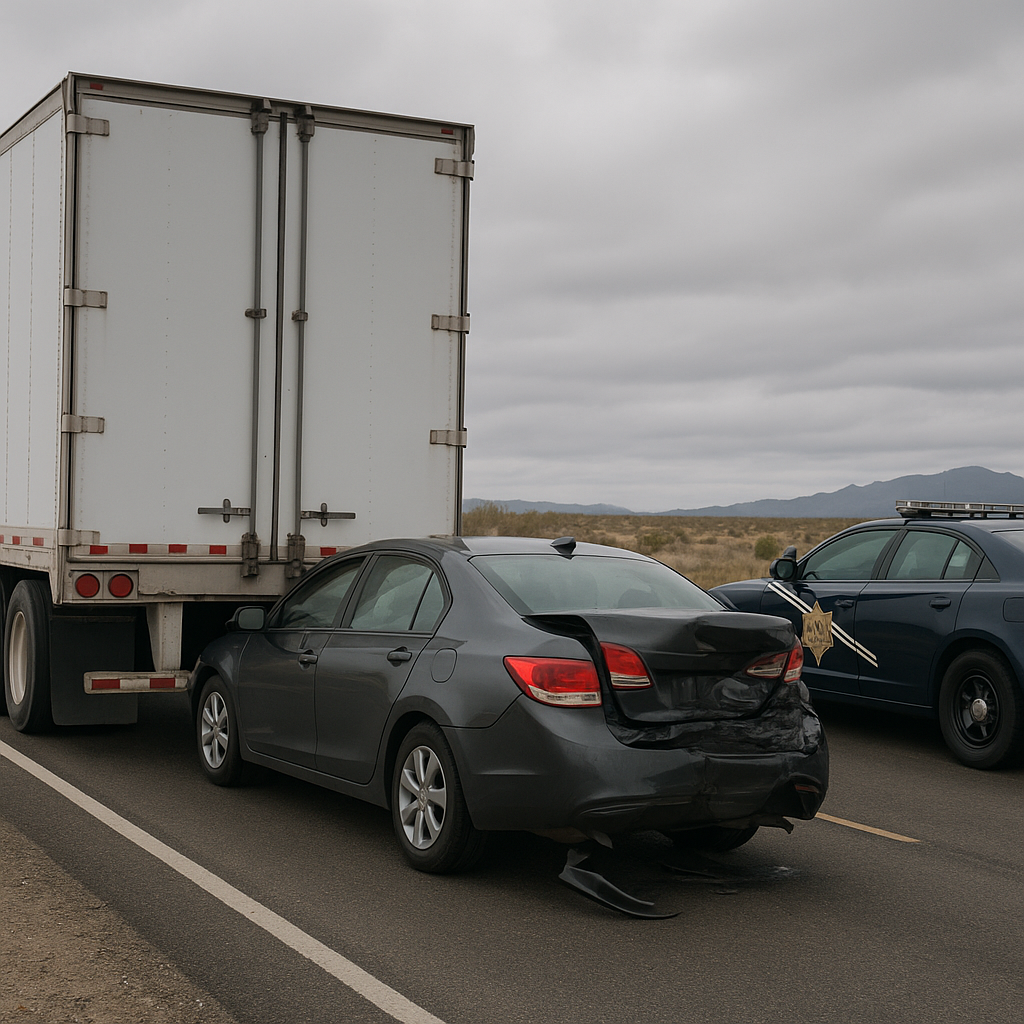
Should I Call Nevada Highway Patrol After a Truck Accident?
If you’ve been involved in a truck accident on Nevada’s busy highways or rural roads, one of the first questions that likely crosses your mind is: Should I call Nevada Highway Patrol after a truck accident? Understanding the right steps to take immediately after such an event can help with your safety, compliance with state laws, and the smooth processing of insurance claims. In this article, we’ll explore why drivers in Nevada often wonder about contacting the Highway Patrol, what the state says about it, and clear up some misconceptions.
Why Nevada Drivers Ask This Question
Nevada’s transportation corridors—such as I-15, I-80, and U.S. Route 95—see a high volume of large trucks and commercial vehicles. Collisions involving trucks can be particularly serious, leading to injuries, vehicle damage, and traffic disruptions. For many drivers, the aftermath of a truck accident is a confusing and stressful time.
Nevada motorists commonly ask whether they’re required—or simply advised—to notify the Nevada Highway Patrol (NHP) after these incidents. The confusion often comes from uncertainty over Nevada’s accident reporting requirements, combined with the heightened risk factors associated with trucks, such as hazardous materials or cargo spills.
Clear Explanation with Nevada Context
When Should You Call Nevada Highway Patrol After a Truck Accident?
The Nevada Highway Patrol (a division of the Nevada Department of Public Safety) handles law enforcement duties on Nevada highways and certain rural roads. In Nevada, the general process for drivers after a truck accident involves:
– Checking for injuries: First, ensure your own safety and check on others involved.
– Moving vehicles: If possible, and if there are no serious injuries, move vehicles to a safer location to avoid blocking traffic.
– Reporting the accident: Nevada law requires that drivers report accidents resulting in injury, death, or apparent property damage of $750 or more.
The NHP specifically encourages drivers to immediately call 911 or the local law enforcement agency (including the Highway Patrol) for accidents involving:
– Injuries or fatalities
– Blocked travel lanes, hazardous conditions, or debris
– Disputes between parties involved in the accident
– Uncooperative individuals or impaired drivers
– Damage that is severe, or when the involved vehicles cannot be safely moved
– Concerns involving large vehicles, hazardous materials, or commercial trucks
In many instances, particularly those involving a commercial truck (because of their size and the possibility of hazardous materials), calling the Nevada Highway Patrol is highly advisable. The NHP is trained to manage highway disruptions, investigate collisions, and coordinate emergency responses.
If your accident occurs in an urban area like Las Vegas or Reno, city police departments might have jurisdiction—but NHP often responds to major highways and state roads.
What Happens If You Don’t Call?
If you fail to report a qualifying accident, you risk potential fines or complications if injuries or significant damages are later discovered. Unreported incidents might also result in insurance complications, as your insurer generally requires a police report for major accidents.
Helpful Background Information
The rules and recommended procedures for reporting accidents are established under Nevada Revised Statutes (NRS 484E). Here’s what drivers should generally know:
– Mandatory Reporting: Nevada law (per NRS 484E.030) requires that you report any accident resulting in injury, death, or property damage of $750 or more (almost all truck accidents meet this threshold).
– Officer’s Role: Responding officers (including NHP troopers) investigate the scene, facilitate emergency services, provide documentation for insurance, and help restore traffic flow.
– Crash Reports: Officers file an official report, which becomes important for insurance and, in some cases, future legal proceedings.
Calling NHP also means you have official documentation of the incident, which is especially useful if there are disagreements about what happened.
Common Misconceptions
Because truck accidents can be more complex than typical auto collisions, it’s important to counter a few common misunderstandings:
– “If there are no serious injuries, I don’t need to call.”
Even if injuries aren’t obvious at first, soft tissue injuries or damages can become evident later. It’s wise to err on the side of caution.
– “Only call if the truck is blocking traffic.”
While blocked lanes demand immediate reporting, you should contact NHP for any sizeable accident, especially if property damage may exceed $750.
– “It’s only necessary if it’s a commercial truck.”
While commercial vehicles create additional considerations, all highway accidents (especially on state roads) should be brought to the attention of law enforcement when in doubt.
– “Calling NHP is optional if I’m not at fault.”
Fault does not determine whether you should notify authorities—Nevada law and insurer requirements do.
Closing Paragraph
In summary, if you’re involved in a truck accident in Nevada, it is generally a good decision to call Nevada Highway Patrol after a truck accident—particularly if there are injuries, substantial damage, questions about hazardous materials, or any truck involved. This ensures the situation is well-documented, all parties are safe, and you are following state requirements. While calling NHP may feel intimidating, their presence helps navigate the complexities of truck accidents and restores safety as quickly as possible on Nevada’s vital roadways.