
What if My Nevada Crash Report Is Wrong?
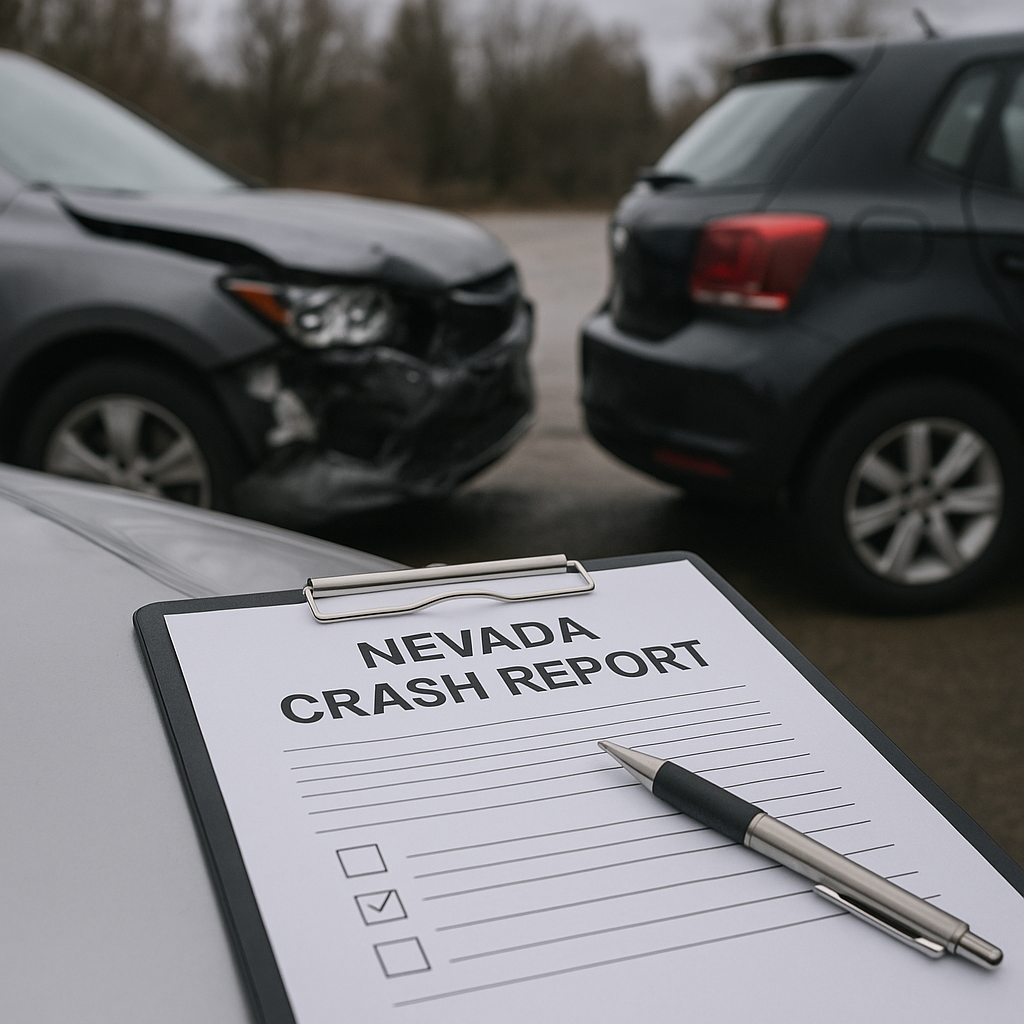
If you’ve recently been in an accident in Nevada and read over your crash report, you might be surprised—or even alarmed—by what you see. Errors in crash reports happen more often than people realize, and they can have lingering effects on insurance claims and liability decisions. If you’ve found yourself asking, “Nevada crash report wrong what to do?” you’re not alone. In this article, we’ll explain why this question matters to many Nevada drivers, clarify how crash reports work in the Silver State, debunk common misconceptions, and help you understand your options if your crash report contains mistakes.
Why Nevada Drivers Ask This Question
After a car accident, stress levels run high. Drivers in Nevada rely on official crash reports to clarify what happened and determine what comes next. However, errors like incorrect vehicle information, misspelled names, or even misunderstandings about who was at fault can creep into these reports.
Nevada drivers might realize the error only after they’ve obtained their police crash report days or weeks after the incident. These discrepancies can impact how insurance companies process claims, and in some cases, affect whether you might be held responsible for damages. That’s why so many drivers throughout Nevada wonder, “What if my Nevada crash report is wrong?”
Clear Explanation With Nevada Context
What should drivers do if they discover a mistake on their Nevada crash report? The first step is to understand that police crash reports are official summaries created by law enforcement officers—often in difficult or confusing environments at the scene of an accident.
Helpful Background Information
In Nevada, police officers are required to file a crash report if an accident causes injury, death, or property damage of at least $750. Once the report is filed, you and your insurance company can request a copy from the law enforcement agency that prepared it—often the Nevada Highway Patrol, Las Vegas Metropolitan Police Department, or another local department.
A typical Nevada crash report might include:
– Basic information (date, time, location)
– Driver and vehicle details
– Statements from drivers, passengers, or witnesses
– Diagrams or descriptions of the accident
– The officer’s opinion about how the crash happened and who may be at fault
If any of these details are incorrect, it’s important to address them promptly. Errors could range from minor typographical issues to significant misrepresentations about how the collision occurred.
How Nevada Crash Reports Are Used
Insurance companies, legal professionals, and sometimes courts refer to crash reports when assessing fault and damages. While these reports are influential, they do not automatically determine liability. Insurance adjusters and other parties may use the report as a basis for their investigation but aren’t bound by every detail in the report.
If you believe there’s an error, you generally have the option to submit a written statement for inclusion in the official record. To do this:
1. Contact the reporting agency as soon as possible—ideally, the agency that produced the report.
2. Request clarification or correction by pointing out the specific mistake and providing supporting documentation or evidence when possible.
3. Be aware that officers very rarely change their official narrative or conclusions about fault. However, factual data—such as your name, license number, or vehicle details—can sometimes be corrected with proper proof.
Common Misconceptions
Many Nevada drivers believe that if the crash report is wrong, their insurance claim is doomed, or that the report’s version of events is the final word. Fortunately, this isn’t the case.
Here are a few misconceptions, debunked:
– My insurance company can’t help if the crash report is wrong. In reality, most insurance adjusters will conduct their own review. If you alert them to errors in the police report, they may consider your documentation and statements alongside the official version.
– The crash report determines legal responsibility beyond question. In Nevada, crash reports are typically not admissible as evidence of fault in court—they are considered hearsay. They are tools for investigation, not legal verdicts.
– There’s nothing I can do about an error. While it can be challenging to get narrative sections of a report changed, you do have the right to request corrections or provide a supplemental statement.
Closing Paragraph
Discovering errors in your Nevada crash report can feel overwhelming, but it’s important to remember you have options. By reviewing the report carefully, contacting the appropriate law enforcement agency, and communicating any factual errors—especially with documentation—you can ensure your side of the story is considered. While some aspects of the report may not be easily changed, addressing mistakes early can help minimize confusion with insurance companies and protect your interests as a Nevada driver. Always stay proactive and informed, so you’re prepared to handle any inaccuracies in your crash report with confidence.