
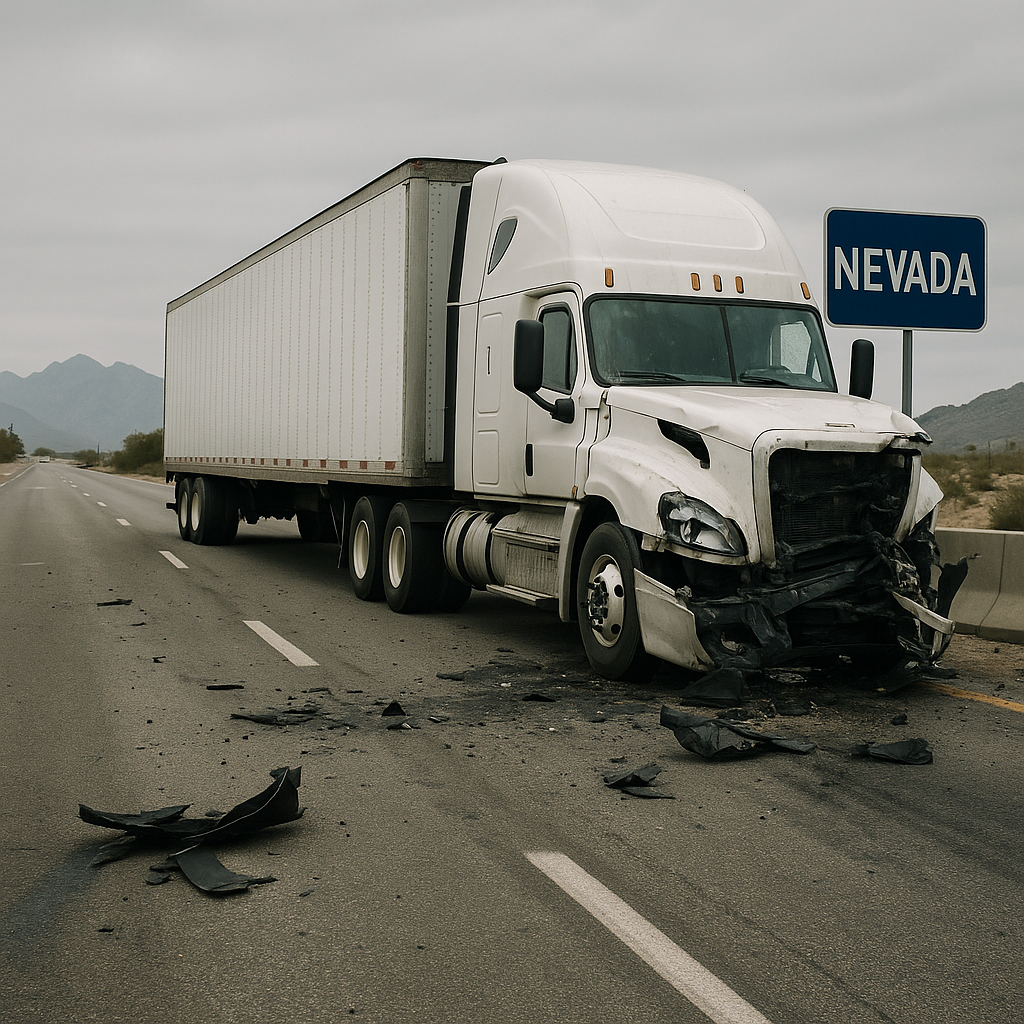
Does Nevada Have Different Truck Accident Rules?
Nevada’s bustling highways and desert roadways see thousands of big rigs, semis, and commercial trucks every day. But when accidents happen, many people wonder: Does Nevada have different truck accident rules? Understanding how Nevada law treats truck accidents differently from other vehicle collisions is crucial, especially for drivers, passengers, and those sharing the road with large trucks. Let’s break down what makes Nevada unique when it comes to truck accident rules, explore the key reasons drivers are curious about this topic, and dispel some common misconceptions.
—
Why Nevada Drivers Ask This Question
Truck accidents can be far more complicated than standard car accidents. In Nevada, concerns are amplified due to factors like:
– Heavy commercial traffic: The state’s strategic location between California and other western states leads to constant movement of freight trucks on routes like I-15 and I-80.
– Seriousness of truck accidents: Given the size and weight of commercial vehicles, collisions often result in more severe injuries, higher property damage, and more complex investigations.
– Legal complexity: Nevada’s laws blend state & federal rules regarding trucking, insurance, and liability.
Nevada drivers, truck operators, and even accident victims often wonder if “normal” car accident rules apply to big rigs. They may also worry about how liability, insurance, and regulations differ when a truck is involved.
—
Clear Explanation with Nevada Context
Yes, Nevada does have rules that specifically address truck accidents, making the process different from a typical passenger car crash.
Special Trucking Regulations
Unlike smaller vehicles, commercial trucks and their operators are governed not only by Nevada state law but also by federal trucking regulations. This means:
– Additional licensing: Nevada requires commercial vehicle drivers to possess a Commercial Driver’s License (CDL), subject to stricter renewal and disqualification criteria.
– Insurance requirements: Trucking companies operating in Nevada must meet higher insurance minimums, often far above the state’s standard car insurance requirements.
– State and federal oversight: Nevada’s Department of Motor Vehicles (DMV) enforces both state rules and incorporates federal regulations from the Federal Motor Carrier Safety Administration (FMCSA). These rules govern hours of service, maintenance, driver drug/alcohol testing, and cargo handling.
Truck Accident Investigations
When a truck is involved in an accident, investigations often involve multiple agencies. The Nevada Highway Patrol, local police, specialized trucking investigators, and insurance adjusters may all play a role. Evidence is scrutinized more closely—think driver logs, truck maintenance records, and black box data.
Liability Differences
Nevada operates under a “comparative negligence” system, where multiple parties can share fault. However, in truck accident cases, it’s common for other players to be involved, such as trucking companies, maintenance contractors, cargo loaders, and sometimes even manufacturers. This makes assigning fault more complex.
Nevada’s Statutes of Limitation
People involved in truck accidents in Nevada must be aware of the state’s timelines for reporting accidents and filing lawsuits related to injuries or property damage. While these timelines often mirror those for car accidents, the need for extended investigation in truck cases can make the process more drawn-out.
—
Helpful Background Information
Nevada Trucking Laws and Interstate Commerce
Much of Nevada’s freight moves across state lines. As such, interstate trucking operations in Nevada follow both state and federal regulations. Nevada’s Commercial Vehicle Regulations (NAC 484) specifically outline requirements for interstate carriers, aligning with FMCSA rules, but with certain state-specific provisions—such as rules about oversize/overweight permits and hazardous materials handling.
Insurance and Filing Procedures
All commercial vehicles in Nevada must carry specific, higher forms of insurance coverage. Furthermore, if a company is not based in Nevada but operates within its borders, it must still comply with Nevada’s unique registration and permitting requirements.
—
Common Misconceptions
“Truck accidents are just like car accidents.”
Many believe that since trucks share the road with cars, the rules must be the same. In reality, Nevada truck accident rules are more detailed and stringent, given the risks involved.
“Any lawyer can handle a truck accident case.”
Due to the unique blend of state and federal laws, as well as the complexity of evidence and possible responsible parties, truck accident cases typically require more specialized experience.
“Only the truck driver can be held responsible.”
In Nevada, liability can extend to multiple parties: the trucking company, maintenance providers, cargo shippers, and sometimes third parties—for instance, if unsafe road conditions contributed.
“Federal law always overrides state law.”
While federal law sets the minimum standards, Nevada can—and does—enforce additional safety rules and requirements.
—
Closing Paragraph
So, does Nevada have different truck accident rules? Absolutely. The intersection of state and federal oversight, specialized insurance requirements, multifaceted investigations, and the involvement of multiple potential parties make Nevada truck accident rules notably different from those governing ordinary car crashes. For drivers, passengers, or anyone affected by a truck accident in the Silver State, understanding these distinctions is vital for navigating the aftermath and ensuring all protocols are followed. As always, turn to reputable sources and Nevada-specific guidelines when questions about commercial trucking accidents arise.