
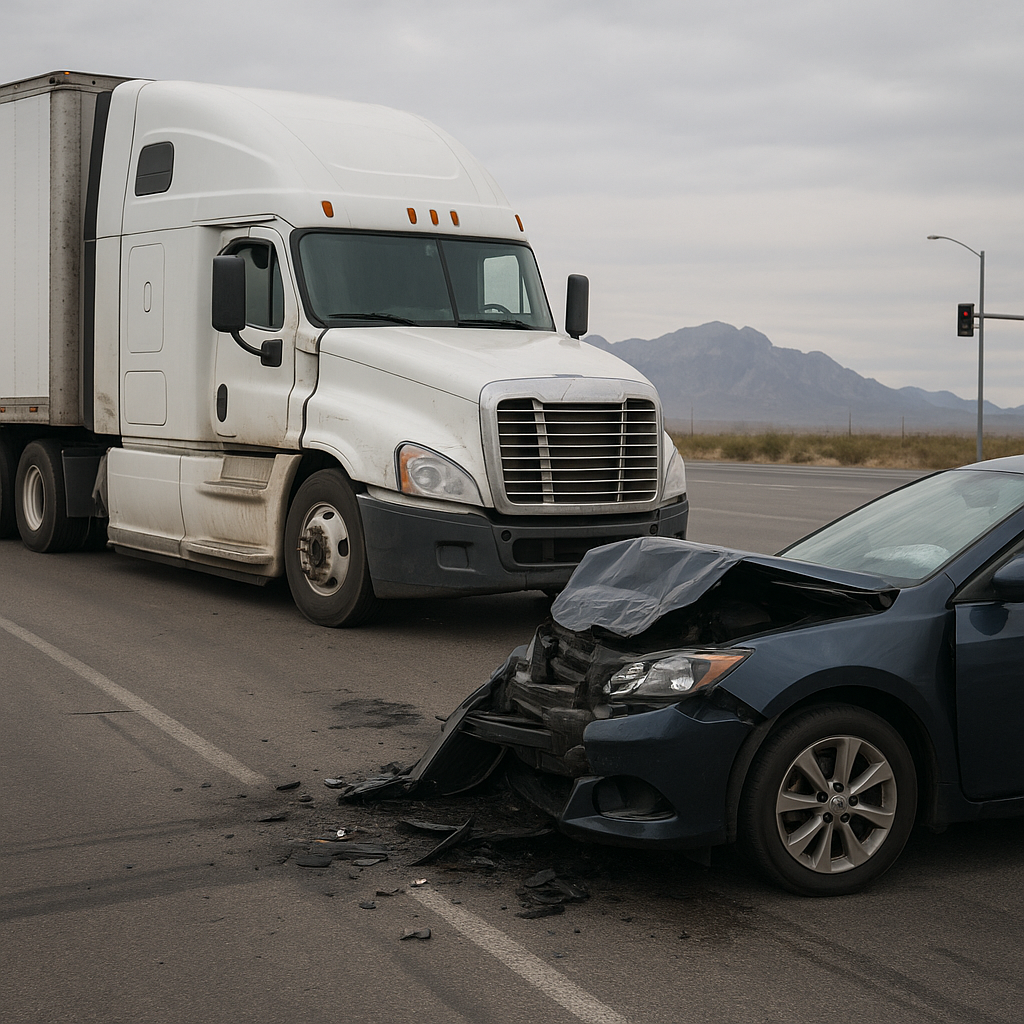
What if the Truck Driver Lies in the Crash Report?
Why Nevada Drivers Ask This Question
If you’ve recently been in an accident involving a commercial truck in Nevada, you might be shocked to read the resulting crash report and find information that doesn’t line up with your memory—or the facts. Unfortunately, it’s not uncommon for drivers, including professional truck drivers, to provide accounts that are incomplete, misleading, or even untrue. Nevada drivers ask, “What if the truck driver lies in the crash report?” because they’re worried about how such misinformation could impact responsibility for the crash, insurance claims, and their ability to recover from losses. The stakes are high, and understanding how Nevada handles these situations is vital.
Clear Explanation with Nevada Context
When a crash occurs in Nevada, responding law enforcement officers compile a crash report that includes statements from involved parties, witnesses, and their own observations. This crash report is often used by insurance companies as they investigate the incident and determine fault.
If a truck driver lies in the crash report—perhaps by misrepresenting road conditions, denying traffic violations, or shifting blame—the consequences can be significant. The report serves as an official record and may heavily influence insurers’ decisions, potentially leading to your claim being delayed, disputed, or even denied.
However, it’s important to note that a crash report is not the final word. In Nevada, insurance adjusters, investigators, and—if the matter escalates—courts may all look beyond the initial police report. They often gather additional evidence, including photos, surveillance footage, data from the truck’s electronic logging device (ELD), and third-party witness statements.
Helpful Background Information
Nevada is an at-fault state for automobile accidents. This means the party determined to be primarily responsible for the accident (and their insurer) will pay for damages. Trucking companies may have high-powered insurance teams looking to minimize payouts. Because truck accidents often involve costly damages and multiple injured parties, there is sometimes more motivation for parties to paint themselves in a positive light or selectively omit damaging details.
Law enforcement relies on the information provided to them at the scene, but they also attempt to corroborate details with physical evidence. In Nevada, the crash report is just one piece of the puzzle; its credibility can be challenged if new facts emerge.
For example:
– If the truck driver claims they weren’t speeding, but ELD and GPS data say otherwise, this can be submitted in follow-up investigations.
– If the report says you ran a red light, but intersection camera footage shows you entered legally, this too can contradict a false statement.
Moreover, you have the right to file a supplemental statement or request a correction if you believe the crash report in Nevada is inaccurate. Providing supporting evidence, such as photographs from the scene, medical records, and other documentation, can help clarify the facts for insurers and investigators.
Common Misconceptions
1. The crash report is absolutely final.
A common misconception is that whatever is written in the police crash report is set in stone and will dictate the outcome of your case. In reality, it’s considered an important record, but not the only one. Additional evidence can and does impact investigations and insurance determinations in Nevada.
2. If the truck driver lies, there’s nothing you can do.
Another myth is that victims are powerless in the face of a false accusation in a crash report. In truth, Nevada law allows parties to dispute errors in the report, request amendments, and provide supplementary evidence.
3. Trucking company accounts are always trusted more.
Some believe that because commercial trucks are big business, their version of events always carries more weight. However, Nevada’s process aims to be fact-driven—not reputation-driven—and judges or adjusters must weigh evidence from all sides.
4. You cannot amend a crash report after it’s filed.
While it’s not always simple, you can contact the reporting law enforcement agency in Nevada to discuss errors or submit additional statements or evidence.
Closing Paragraph
Confronting a situation where a truck driver lies in a crash report can feel daunting, especially given the complexity and pressures surrounding commercial vehicle accidents in Nevada. However, drivers aren’t left without options. By gathering and submitting your own evidence, seeking out witness statements, and requesting corrections or amendments through the proper channels, you can challenge inaccuracies and ensure your side of the story is heard. While the crash report is important, it is not the sole determinant of responsibility or outcome in these cases. Knowing this can help Nevada drivers approach the aftermath of a truck crash with greater confidence and clarity—even when faced with misinformation.