
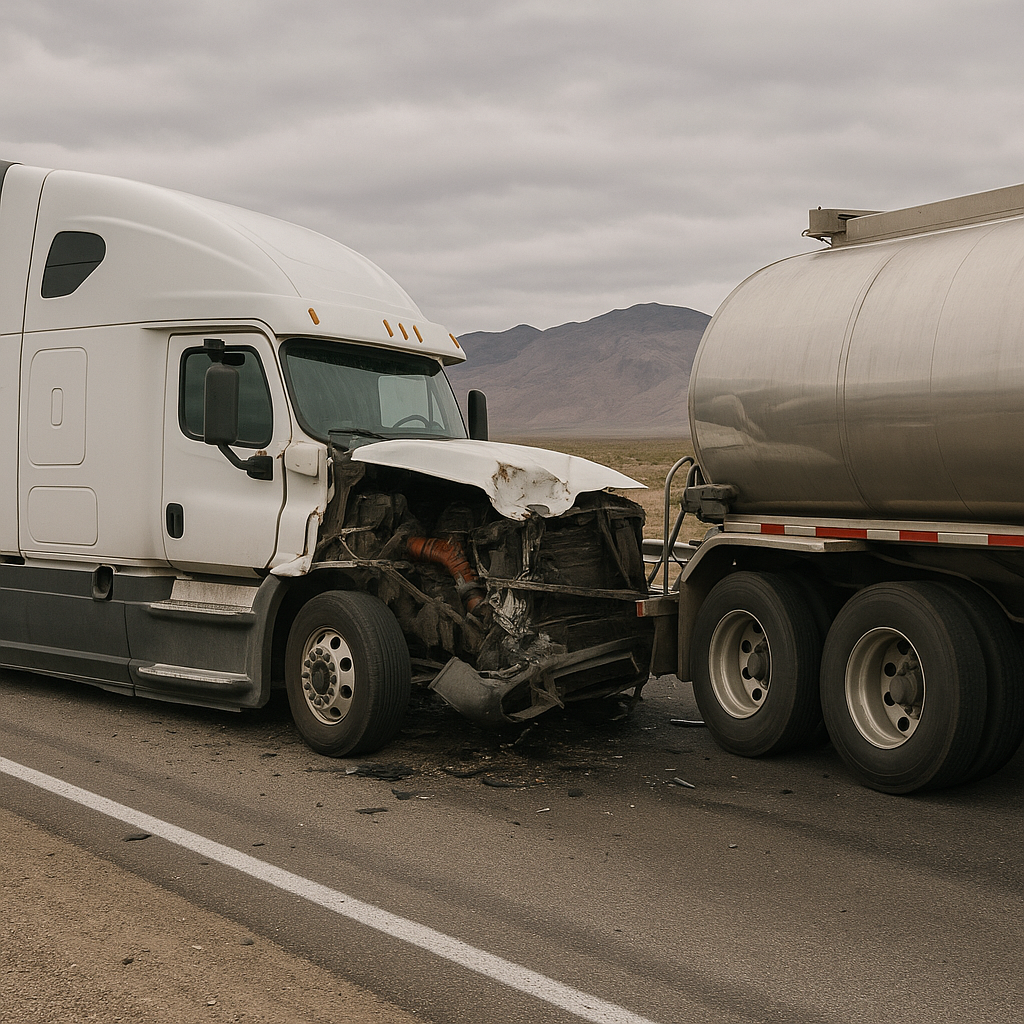
What is an ELD and How Does It Affect Nevada Truck Crashes?
Why Nevada Drivers Ask This Question
If you drive Nevada’s highways or share the road with large trucks, you may wonder about the abbreviation “ELD” and how it relates to road safety. After all, with major trucking routes like I-15, I-80, and U.S. 95 crisscrossing the Silver State, commercial trucking plays a huge role in Nevada’s economy and everyday life. It’s no surprise, then, that both professional drivers and concerned motorists look for ways technology can make the roads safer for everyone. Many have heard reports that ELDs—short for electronic logging devices—impact crash rates, but questions remain about how ELD affects Nevada truck crashes specifically.
Clear Explanation with Nevada Context
What is an ELD?
An Electronic Logging Device (ELD) is a digital tool installed in commercial motor vehicles to automatically track a driver’s hours of service (HOS). The Federal Motor Carrier Safety Administration (FMCSA) mandated these devices nationwide to ensure drivers comply with federal limits on how long they can drive before resting. The ELD rule was fully implemented in December 2019, and all commercial vehicles operating in or through Nevada must comply.
ELDs connect directly to a truck’s engine, digitally recording data like driving time, engine hours, miles driven, and location. The idea is to replace traditional paper logbooks—which could be lost, fudged, or forged—with tamper-resistant digital records.
Nevada-Specific Impact
Nevada’s trucking corridors are some of the busiest in the Western U.S. Major highways bring a steady stream of long-haul trucks through Las Vegas, Reno, and rural stretches dotted with mining and agricultural operations. As a result, Nevada Department of Transportation and the Nevada Highway Patrol closely monitor both compliance and crash statistics related to commercial vehicles.
While there’s still ongoing research, initial findings suggest ELDs are having a meaningful effect on how safely trucks operate in Nevada:
– Reduction in Fatigue-Related Crashes: Hours-of-service violations are a major factor in truck driver fatigue. With ELDs automatically tracking work hours, drivers are less able to exceed federal limits, leading to a decrease in fatigue-related crashes.
– Improved Safety Inspections: Nevada law enforcement can access an ELD’s data during truck inspections, streamlining the verification process and ensuring non-compliant drivers are quickly identified.
– Adjustments in Scheduling & Workloads: Some trucking companies have modified delivery schedules and routes to fit within HOS limits enforced by ELDs, potentially reducing risky behaviors like speeding to “make up time.”
Helpful Background Information
Truck Crash Statistics Before and After ELDs
Prior to ELD implementation, the Nevada Department of Transportation noted that hours-of-service violations were one of the leading causes of commercial vehicle citations. In the years immediately before the ELD mandate, Nevada saw several high-profile fatigue-related truck crashes, particularly on interstates at night or during long desert stretches.
Since ELD adoption, federal data points to an overall decrease in these types of violations nationally, and Nevada is no exception. While total crash numbers can be influenced by many factors (traffic volume, weather, enforcement), state agencies report more consistent driver rest periods and fewer dangerous driving practices related to logbook falsification.
What Do Nevada Truck Drivers Think?
For many professional drivers based in Nevada, ELDs have been both a positive change and a challenge. Some appreciate the safety benefits and the “even playing field” ELDs create by holding all drivers to the same logging standard. Others, especially those moving freight through Nevada’s rural or remote areas, argue that inflexible HOS rules enforced by ELDs can make it harder to safely find suitable rest locations or deal with unexpected delays.
Common Misconceptions
Myth 1: ELDs Directly Prevent All Truck Crashes
While ELDs are a tool to help track and enforce safe driving hours, they do not directly stop crashes from happening. Truck crashes can be caused by many other factors—such as distracted driving, mechanical failure, weather, or actions by non-commercial drivers. ELDs are only part of a broader approach to truck safety in Nevada.
Myth 2: ELD Data is Infallible
Some people believe that ELD data is flawless. In truth, equipment issues, operator mistakes, or technical malfunctions sometimes occur. Nevada law enforcement is trained to spot inconsistencies and properly interpret ELD data, but it’s one element of a thorough roadside inspection.
Myth 3: ELDs Are Only About Compliance, Not Safety
The goal behind mandating ELDs is not just paperwork—it’s about promoting safe driving habits by ensuring drivers get required rest. When used correctly, ELDs support a safer highway environment, benefiting both commercial drivers and the public.
Closing Paragraph
In summary, understanding how ELD affects Nevada truck crashes is important for anyone using the state’s highways. ELDs help enforce hours-of-service limits, reduce fatigue-related incidents, and support more efficient roadside inspections. However, they are not a cure-all—other factors still contribute to crash risks. As Nevada’s highways remain a vital part of commerce and travel, ELDs are one more piece of the puzzle in making them safer for everyone. By staying informed about how these devices work and their role in accident prevention, all drivers in Nevada can play a part in creating safer roads.