
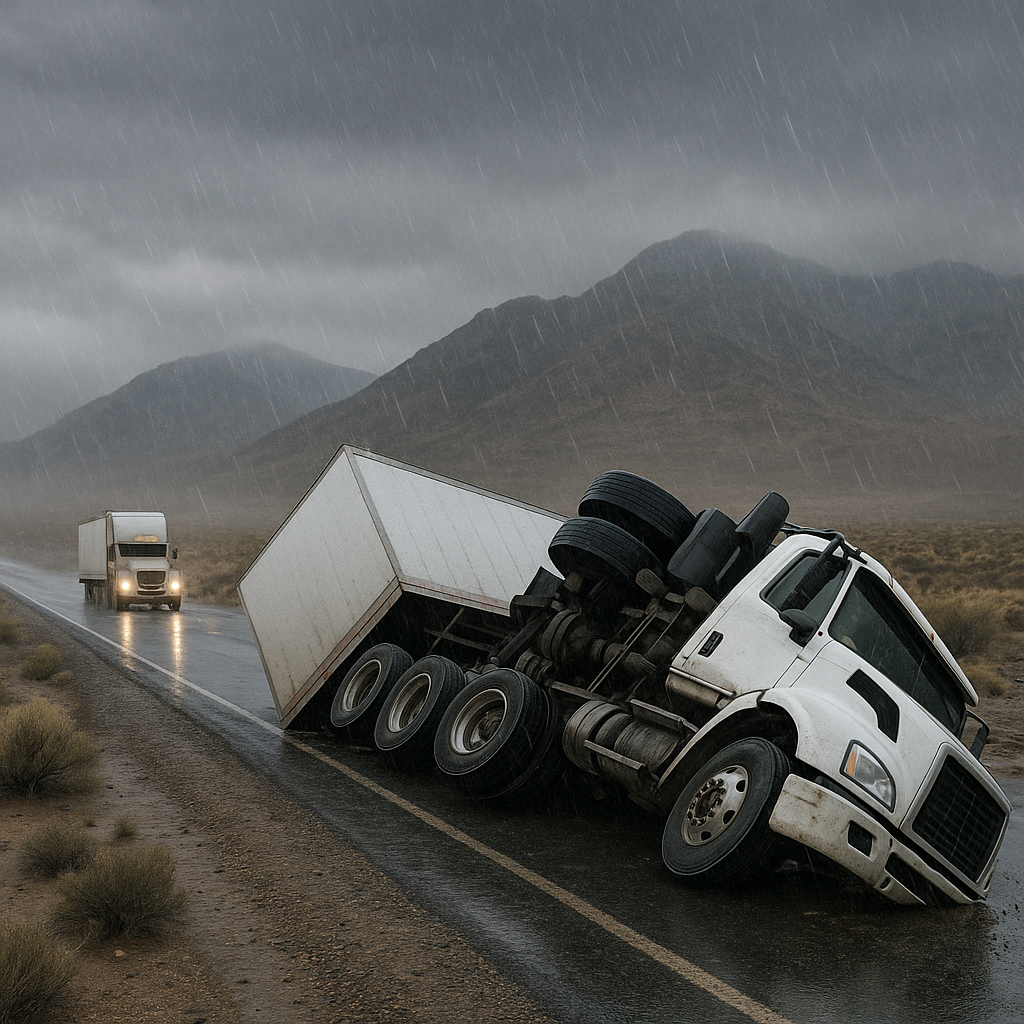
Are Semi Truck Accidents Worse During Nevada Monsoon Storms?
Nevada’s arid landscape might make torrential rain seem unlikely, but each year, the region faces powerful monsoon storms that sweep across highways and cities. For local motorists, one critical safety concern is the relationship between these intense storms and the frequency or severity of semi truck accidents. So, are semi truck accidents worse during Nevada monsoon storms? Let’s explore the factors, common misconceptions, and what every Nevada driver should know.
Why Nevada Drivers Ask This Question
Nevada drivers find themselves grappling with unique weather challenges. While the state is well known for its dry desert climates, the late summer brings monsoon storms that are unpredictable and severe. These storms can transform highways from clear and dry to dangerously slick in just minutes. Drivers regularly witness semi trucks navigating congested highways, tight mountain roads, and open desert stretches—often during sudden downpours.
Concerns about semi truck accidents aren’t just about the frequency of crashes, but also the severity. The sheer size and weight of semi trucks mean that any accident can be far more damaging than those involving only passenger vehicles. Add monsoon storms into the mix, and it’s no wonder Nevada drivers want to know just how much stormy weather increases the risks.
Clear Explanation with Nevada Context
Monsoon Storms and Their Impact on Semi Truck Safety
In Nevada, the monsoon season typically runs from July through September, bringing abrupt, heavy rainfall, high winds, and even localized flooding. These extreme weather conditions can dramatically affect driving conditions.
Semi truck accidents during Nevada monsoon storms are often perceived as worse for a few key reasons:
– Reduced Visibility: Sudden downpours and blowing dust can cause rapid drops in visibility—sometimes reducing sightlines to just a few yards. For semi truck drivers, who rely on sightlines to slow and stop safely, this can greatly increase the risk of collision.
– Slippery Roads: The first heavy rains after a dry spell wash oil and debris onto road surfaces, making Nevada highways particularly slick. Tires can quickly lose traction, and the long stopping distances needed for semi trucks mean it’s much harder to avoid accidents.
– High Winds: Gusty monsoon winds can sway or even tip over high-profile vehicles like semi trucks, especially on open stretches like Interstate 15 or US Route 95. Even if a truck is not directly involved in a crash, swerving to compensate for winds can fuel chain-reaction collisions or jackknife incidents.
– Flooding & Debris: Flash floods can wash debris across highways, block lanes, and cause sudden lane changes. Semi trucks require more time and space to maneuver—making them vulnerable during rapid changes brought on by storms.
Nevada’s Unique Landscape
Nevada’s highways traverse mountain passes, open desert, and urban sprawl. When monsoon weather strikes, these environments create amplification effects:
– Mountain roads can suffer from sudden runoff, increasing hydroplaning risks for semi trucks.
– Wide, flat desert highways see waterfall-like sheets of water move quickly across pavement, pooling along dips and creating hidden hazards.
– Urban areas, such as around Las Vegas, can experience flash floods that quickly disrupt traffic and lead to hazardous pile-ups, especially if semi trucks are caught in moving water.
Helpful Background Information
Nevada’s Department of Transportation (NDOT) and Nevada Highway Patrol issue advisories during monsoon events for good reason. Data and incident reports repeatedly show increased roadway hazards during storms, particularly for heavy commercial traffic. Many Nevada trucking routes, including segments of I-15, I-80, and US 93, are essential interstate corridors, which means semi trucks are often running at high speeds with large loads.
Semi truck drivers follow strict safety protocols, but when sudden weather hits, even highly trained professionals face challenges that smaller vehicles may not experience. The combination of physics (weight, momentum), slower stopping times, and diminished maneuverability makes semi trucks especially susceptible to adverse storm conditions.
Common Misconceptions
Despite these risks, some misconceptions still circulate among Nevada motorists:
– Semi trucks are “built for anything.” While robust, semi trucks are designed for load and longevity, not for managing sudden hydroplaning or flash floods.
– “Professional drivers can handle it.” Truck drivers receive specialized training. However, severe weather can quickly overwhelm even the most experienced driver, especially in unpredictable monsoon environments.
– More accidents mean more severity. Not every storm-related accident is catastrophic, but the likelihood of severe injuries and substantial property damage is higher due to the vehicles’ size and force during a collision.
– Storms only affect rural routes. Urban areas in Nevada are just as vulnerable. Flash flooding, poor drainage systems, and merging highway traffic can magnify dangers around city centers and suburbs.
Closing Paragraph
So, are semi truck accidents worse during Nevada monsoon storms? The answer is a resounding yes—stormy weather increases both the frequency and potential severity of semi truck crashes across the Silver State. Nevada’s unique landscape, combined with violent monsoon episodes, creates challenges for all drivers, especially those piloting massive commercial vehicles. When torrential rain, winds, and floods strike, every motorist should heed warnings, slow down, and recognize the outsized risks semi trucks face on slick, storm-lashed roads. Staying informed and exercising caution during Nevada’s monsoon season is the safest route—for truckers and everyday drivers alike.