
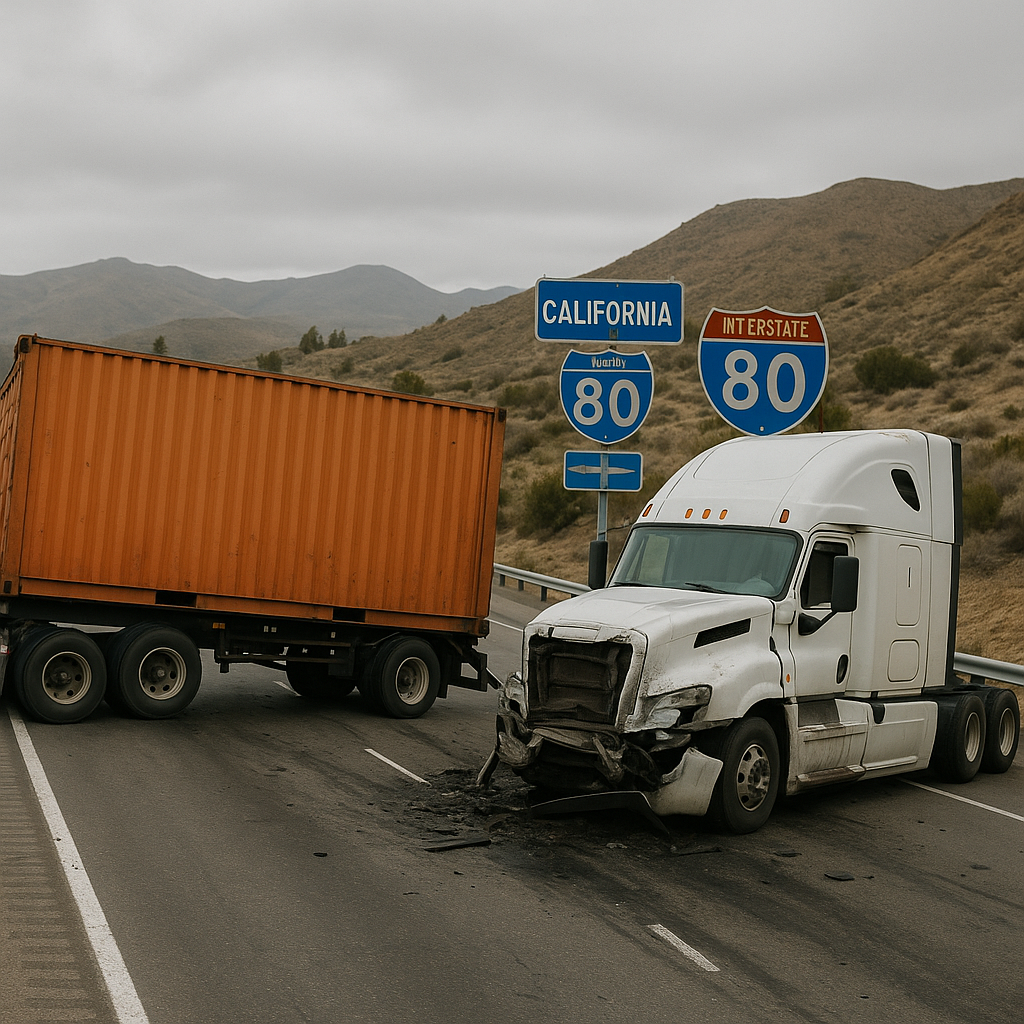
California Nevada Border Truck Crash Patterns Reveal Critical Safety Insights
Overview of the Trend or Pattern
The California Nevada border, a vital corridor for commercial trucking, has become a focal point for transportation safety analysis due to its frequent truck crashes and unique risk factors. Situated along key interstate highways like I-15 and I-80, this region serves as a critical artery for freight movement between the Southwestern United States and the broader West Coast. In recent years, researchers and transportation safety officials have observed recurring crash patterns involving heavy trucks in this area. These insights are instrumental in understanding how to mitigate risks and enhance safety for both truck drivers and other road users.
Analyzing California Nevada border truck crash patterns sheds light on behaviors and conditions leading to accidents in this geographic and operational context. While truck crashes are a nationwide concern given the size and weight of commercial vehicles, the border’s specific environmental, roadway, and traffic factors contribute uniquely to these incidents. The convergence of steep grades, desert climate, interstate commerce, and increasing freight volumes creates conditions that can elevate crash risks and severity.
Understanding these patterns requires interdisciplinary perspectives — combining traffic engineering, logistics management, human factors, and environmental science. Recognizing trends such as time-of-day spikes, common collision types, and causal factors helps authorities implement targeted safety measures. This article explores these elements and discusses why Nevada’s conditions can exacerbate crash severity and how these observed patterns have evolved over time.
Common Factors Behind the Pattern
Several recurring factors emerge when examining California Nevada border truck crash patterns, ranging from geographic and climatic influences to operational challenges faced by truck drivers.
Steep Grades and Terrain
One of the most significant contributors to truck crashes in this area is the steep mountainous terrain leading up to and down from the Nevada border. Routes such as the stretch of I-15 near the Virgin River Gorge feature prolonged steep grades that challenge truck braking systems and restrict maneuverability. Trucks descending these grades at unsafe speeds or with improperly maintained brakes risk losing control and causing multi-vehicle pileups.
Weather and Visibility Challenges
Despite being largely desert terrain, the California Nevada border area experiences sudden and at times harsh weather changes. Occasional dust storms, fog, or rain can drastically reduce visibility and road traction. Dust storms are particularly hazardous, sometimes forcing drivers to slow abruptly or stop, increasing the chance of rear-end collisions involving trucks with long stopping distances.
Fatigue and Driver Behavior
Long-distance freight haulers often traverse this corridor during nighttime hours or after extended driving periods, leading to driver fatigue—one of the most common contributing factors to truck crashes nationwide. Fatigue reduces alertness and reaction times, which combined with complex terrain, can lead to misjudgments or delayed braking on critical highway sections.
Furthermore, pressure to meet tight delivery schedules may encourage unsafe driving behaviors. Truck drivers debating between slowing down for safety on steep descents and maintaining schedules sometimes take risky maneuvers that increase accident likelihood.
Traffic Volume and Mixed Vehicle Types
The border area handles a high volume of vehicles, mixing commercial trucks with passenger cars and recreational vehicles. The interaction between slower-moving trucks and faster cars can create dangerous traffic dynamics, especially on two-lane rural stretches or sections with limited passing zones. Drivers unfamiliar with sharing the road with large trucks may misinterpret signal cues, raising collision risks.
Infrastructure Constraints
While interstates are designed for high volumes and heavy vehicles, some infrastructure constraints along the border play a role in crash patterns. Limited truck climbing lanes, tight curves, and narrow shoulders reduce options for truck drivers to safely manage emergent situations. Additionally, signage and warning systems may not always adequately communicate impending road hazards for truckers unfamiliar with the route.
Why Severity May Be Higher in Nevada Conditions
Truck crashes along the California Nevada border are often marked not just by their frequency but by elevated severity—leading to more serious injuries and fatalities. Several Nevada-specific factors intensify the severity of these collisions.
Sparse Emergency Response Resources
Nevada’s vast and less densely populated border regions mean emergency services can experience delays reaching crash scenes, especially on remote stretches of highway. This delayed medical response can worsen injury outcomes compared to crashes occurring nearer to urban centers with rapid intervention capabilities.
Harsh Environmental Conditions
The desert environment in Nevada imparts extreme temperatures and arid conditions that complicate rescue efforts and increase risks for crash survivors exposed to heat or dehydration for long periods. Additionally, dry conditions increase fuel ignition risks after collisions, potentially leading to post-crash fires.
High Speeds and Longer Stopping Distances
The Nevada side of the border sometimes features stretches of highway with higher speed limits and expansive visibility, encouraging faster driving speeds. While this can promote efficient freight movement, it also prolongs stopping distances for heavy trucks and heightens crash impact forces, leading to more severe outcomes.
Limited Alternate Routes and Detours
Due to geography and sparse road networks, detours for heavy trucks involved in crashes are often long and complicated. This can place added time pressure on drivers attempting to navigate through or around crash sites, increasing the risk of secondary accidents or complicating rescue operations.
How Patterns Change Over Time
California Nevada border truck crash patterns have evolved due to changes in traffic volumes, freight regulations, infrastructure improvements, and broader transportation trends. Understanding these shifts helps anticipate future challenges and design proactive safety solutions.
Growth in Freight Traffic
The rise of e-commerce and regional economic development has led to increased truck freight volumes crossing the California Nevada border. As traffic grows, so does congestion, particularly on popular interstates like I-15 and I-80. Higher traffic density increases the likelihood of multi-vehicle crashes and puts more pressure on infrastructure and enforcement systems.
Technological Advancements in Trucks
Newer commercial trucks increasingly incorporate advanced safety technologies such as collision avoidance systems, electronic stability control, and improved braking systems. These mechanisms have contributed to reducing some categories of crashes by aiding driver awareness and vehicle control. However, the transition period wherein mixed fleets of older and newer trucks share the road can produce uneven safety outcomes.
Regulatory and Policy Changes
Regulations around driver hours-of-service, truck weight limits, and speed restrictions have evolved in response to safety data. While these rules aim to reduce fatigue and mechanical failure-related crashes, compliance variability can influence crash patterns near the California Nevada border, where enforcement may be challenging over remote stretches.
Infrastructure Investments
State and federal investments in highway improvements—such as adding truck climbing lanes, widening shoulders, and upgrading signage—help mitigate some risk factors. However, construction projects can temporarily increase risk by introducing lane closures and confusing detours. The net effect of such improvements often reflects a long-term decline in crash frequency and severity when fully completed.
Environmental and Seasonal Shifts
Climate change and seasonal factors alter crash patterns by affecting weather conditions such as dust storm frequency or intensity. In some years, higher winds and temperatures may increase crash risks, while milder seasons see fewer weather-related incidents.
Conclusion
Examining California Nevada border truck crash patterns offers valuable insights into the complex web of factors influencing commercial vehicle safety in this critical transportation corridor. Terrain challenges, driver behavior, weather conditions, and infrastructure constraints all interplay to shape when and how truck crashes occur along the border. While many of these factors are shared by other rural interstate regions, Nevada’s unique environmental and logistical conditions often increase crash severity.
Ongoing attention to emerging trends, integration of advanced technologies, and targeted infrastructure enhancements are essential to improving safety for truck drivers and all road users in this important freight corridor. Collaboration among transportation agencies, industry stakeholders, and safety advocates will help address identified risk factors and make the California Nevada border a safer passage for commerce and travel. Despite the challenges, pattern recognition and adaptive strategies continue to provide hope for meaningful reductions in truck crash incidents and their consequences in the years to come.