
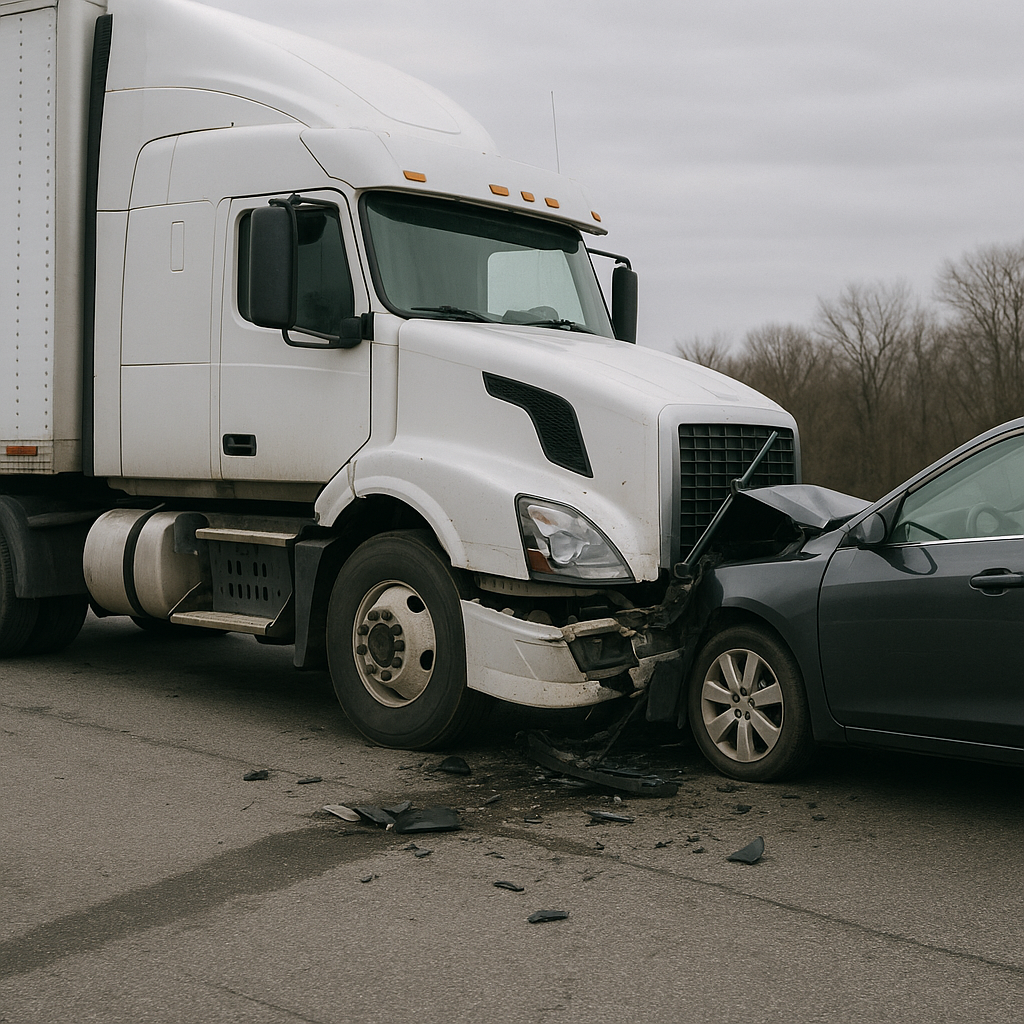
Can Trucking Companies Delete Crash Footage?
Why Nevada Drivers Ask This Question
In the aftermath of a truck accident on Nevada roads, one question often arises: Can trucking companies delete crash footage? This concern isn’t unfounded. With the rise of in-cab cameras, dashcams, and other monitoring technology, video evidence has become crucial in establishing what happened during a crash. Nevada drivers—whether commercial or private—frequently worry that important footage might be altered, deleted, or otherwise become unavailable just when it is needed most. This article explores why this issue is pressing for Nevada drivers and what factors come into play.
Clear Explanation with Nevada Context
Nevada is a key transportation hub, with major routes like Interstate 15 and the bustling highways around Las Vegas seeing heavy truck traffic daily. Many commercial trucking companies operating in Nevada equip their vehicles with surveillance systems, which can continuously record video or activate during sudden stops, impacts, or erratic movements.
When a crash involves a commercial truck, recorded footage can become vital for insurance claims, liability determinations, and, sometimes, legal proceedings. Understandably, both truck drivers and other involved motorists are concerned with whether or not this important evidence can be “lost” via deletion, especially if it could impact the outcome of an investigation.
Helpful Background Information
To answer whether trucking companies can delete crash footage, it’s important to consider the following elements:
1. Company Policies and Technology:
Trucking companies often set their own internal policies for retention and deletion of camera footage. Some systems overwrite older footage after a certain period (often 24 to 72 hours for continuous dashcams), while others retain clips triggered by specific events for longer. These retention policies are dictated by the company’s operating procedures and the storage capabilities of each system.
2. Regulatory and Legal Considerations in Nevada:
Nevada itself does not have a uniform law that explicitly prohibits or requires the preservation of crash footage after an accident involving a commercial vehicle. However, there are general rules about the preservation of potential evidence if litigation is likely. Once a crash has occurred and parties are aware that litigation may be forthcoming, businesses—including trucking companies—may face restrictions against purposefully destroying evidence. This is governed mainly by general evidence rules and the standards applied by Nevada’s courts, rather than by a trucking-specific statute.
3. Preservation Requests:
If a crash occurs, concerned parties (like other drivers or their representatives) often send formal requests to the trucking company to preserve all relevant evidence, including video footage. Such a notice, commonly known as a “spoliation letter,” puts the company on alert that the deletion of the footage could bring consequences in a legal setting.
4. Routine Deletion vs. Intentional Destruction:
There’s a distinction between routinely deleted footage (standard overwriting or scheduled purging) and the intentional destruction of evidence after a crash. The latter can become a serious issue, potentially giving rise to sanctions or negative presumptions in court under “spoliation of evidence” doctrines, if it appears designed to hinder a fair investigation.
Common Misconceptions
Many Nevada drivers believe there are hard-and-fast laws mandating trucking companies to keep all video for a certain period after every incident. In reality, practices vary widely depending on the company and the technology they use. Some common misconceptions include:
– “All crash footage must be kept for years.”
Most systems automatically overwrite non-event footage, sometimes within days. Unless an incident triggers manual preservation, routine footage can be gone quickly.
– “Deleting footage is always illegal.”
In Nevada, it is not illegal for trucking companies to follow their normal data deletion policies. The problem arises if footage is intentionally deleted after a company knows, or should know, that it could be evidence in a legal claim.
– “All trucks have cameras everywhere.”
While in-cab and dashcam footage is increasingly common, not all trucks have recording technology—especially older vehicles or smaller companies.
– “If the footage is gone, nothing can be done.”
Even if video is lost, investigators may use other evidence, such as witness statements, physical evidence on the road, and digital crash data from the truck itself.
Closing Paragraph
The question of whether trucking companies can delete crash footage is important for anyone on Nevada’s busy highways. While companies often have standard policies that may result in video being erased after a set period, deleting footage intentionally after knowing it could be needed for an investigation is a much more complex issue. Nevada laws don’t specifically prohibit routine deletion, but concerns over fairness and the potential for evidence spoliation mean companies must tread carefully once a crash has occurred. In all cases, it’s vital for involved parties to act quickly. Prompt requests for preservation and awareness of trucking practices can make all the difference. While this article does not provide legal guidance, it highlights the key factors that Nevada drivers should keep in mind when questioning whether trucking companies can delete crash footage.