
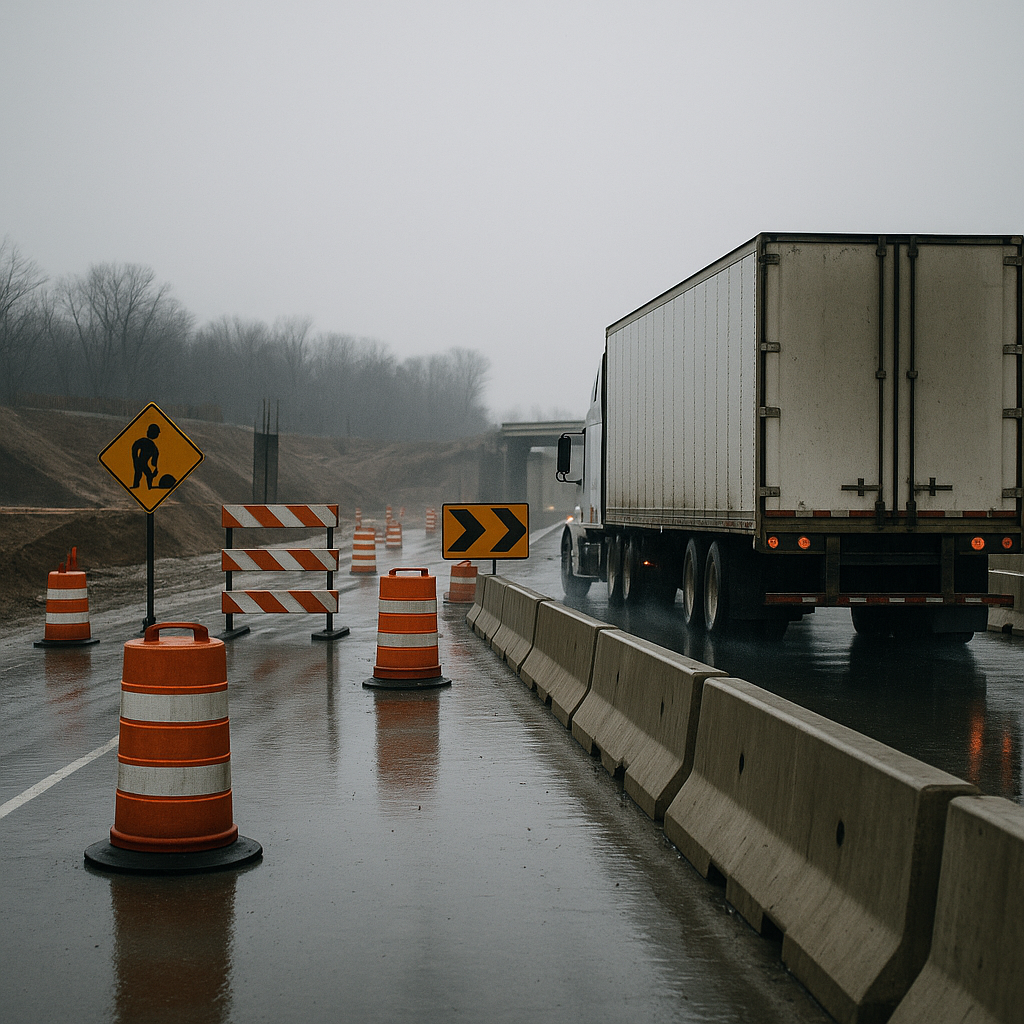
Construction Zone Weather Risks for Truck Accidents in Nevada
Construction zones are common sights on Nevada’s highways and city streets. They are essential for infrastructure improvements, but also present unique risks—especially for commercial trucks. One often overlooked factor is how Nevada’s distinct weather and road conditions amplify the dangers in these zones, making accidents more likely and often more severe. Understanding construction zone weather risks for truck accidents is crucial for safety awareness across the Silver State.
Overview of Nevada’s Weather and Road Condition Factors
Nevada’s climate is best known for its extremes. Most of the state falls within the Great Basin, characterized by hot, dry summers and cold, sometimes snowy winters. However, weather patterns in Nevada can change rapidly, bringing unexpected storms, strong winds, flash flooding, and icy conditions, particularly at higher elevations and during seasonal transitions.
For truck drivers navigating construction zones, these weather factors can drastically increase risk. Construction zones often have narrower lanes, uneven pavement, unexpected detours, reduced speed limits, and limited visibility due to equipment, signage, and dust.
Nevada’s arid environment also means that rain—when it does fall—often results in flash flooding or slick roads as oils rise to the roadway surface after a dry spell. In the north, winter brings snow and ice. Summer heat creates mirages, tire blowouts, and fatigue. In all cases, the combination of weather and active construction can set the stage for hazardous situations—especially for large commercial vehicles.
How These Conditions Affect Trucks Differently Than Cars
Truck drivers already face unique challenges in handling and maneuvering large vehicles, but construction zone weather risks for truck accidents are intensified compared to passenger cars.
1. Longer Stopping Distances: Trucks require much more distance to stop, particularly on wet, icy, or debris-strewn roads often found at construction sites. A sudden slowdown due to roadwork, or slick surfaces from rain or oil, can make it difficult for heavy trucks to stop in time.
2. Reduced Maneuverability: Lane reductions, abrupt curves, and shifting paths are more complicated for trucks with wide turning radii and longer bodies. Weather-induced obstacles like mud, pooled water, or snowbanks further restrict movement.
3. Height and Weight Hazards: Low-hanging signs, temporary structures, or uneven road surfaces can be especially treacherous for tall, heavy trucks—potentially leading to rollovers or cargo spills if met unexpectedly or at too high a speed.
4. Visibility Issues: Construction often brings dust, equipment, and lighting changes, creating vision problems. High winds can blow dust or debris onto windshields, while rain and snow reduce sightlines further. Truck drivers, perched higher than typical motorists, may not see hazards close to their wheels or under their trailers.
5. Vehicle Stability: High winds—especially in open stretches south of Las Vegas or along I-80—can push large trailers, making them unstable. On elevated or temporary surfaces (like steel plates or gravel), slick conditions increase the risk of losing control.
Why Crashes Can Become Severe Under These Conditions
Crashes involving trucks in Nevada construction zones are often more severe due to several compounding factors:
1. Speed/Impact Force: Even at reduced speeds, the sheer mass of trucks multiplies crash forces, making injuries and damage far worse than in a passenger car collision.
2. Chain Reactions: In tight, congested work zones, one truck accident can quickly involve multiple other vehicles, construction workers, and equipment, leading to pile-ups.
3. Limited Escape Routes: Construction barriers, cones, and narrowed lanes leave little room for evasion. If a truck loses control, there’s often nowhere to go but into other vehicles or work zone structures.
4. Roadway Obstructions: Construction zones contain materials, machinery, and abrupt drop-offs that can worsen the consequences of a truck crash or complicate rescue efforts.
5. Delay in Emergency Response: Inclement weather or blocked lanes may delay first responders, increasing the time injuries go untreated and the risk of secondary accidents as vehicles stack up behind a crash site.
Common Seasonal Patterns in Nevada
Construction zone weather risks for truck accidents in Nevada ebb and flow with the seasons, each presenting unique hazards:
Spring: Melting snow in northern Nevada can cause roadway flooding, mud, and soft shoulders. Construction “season” ramps up with more projects breaking ground, increasing the number of work zones statewide.
Summer: High heat creates visibility challenges with shimmering pavement (“mirage”) and puts extra stress on truck tires, increasing blowout risk. Sudden thunderstorms—particularly in southern Nevada—can cause flash flooding, washing debris through work zones. Dust storms are common in desert-lined highways, abruptly reducing visibility to near zero.
Autumn: Temperatures can swing rapidly from hot to freezing overnight, especially in central and northern Nevada. This can create black ice as early snow melts during the day and refreezes at night. Shorter daylight hours mean more driving during dusk and dark, increasing accident risk in poorly lit construction zones.
Winter: Snow and ice are major hazards on high-elevation routes like I-80 through the Sierra Nevada and areas north of Reno. Chains or snow tires may be necessary, and construction zones may be marked by snowbanks or hidden beneath drifts. Roadway maintenance required to keep work zones accessible can itself create traffic hazards—including sudden lane closures and heavy equipment entering traffic from the roadside.
Neutral Closing Paragraph
Construction zones are a necessary part of Nevada’s growing and evolving roadways. Yet, when combined with the state’s distinctive and sometimes unpredictable weather, they introduce significant risks—especially for the commercial trucks that deliver goods every day across the Silver State. Understanding construction zone weather risks for truck accidents helps all road users appreciate the importance of heightened awareness, slower speeds, and cautious driving. By recognizing how weather patterns influence work zone safety, both truck drivers and motorists can play a part in making Nevada’s roads safer for everyone—no matter the season.