
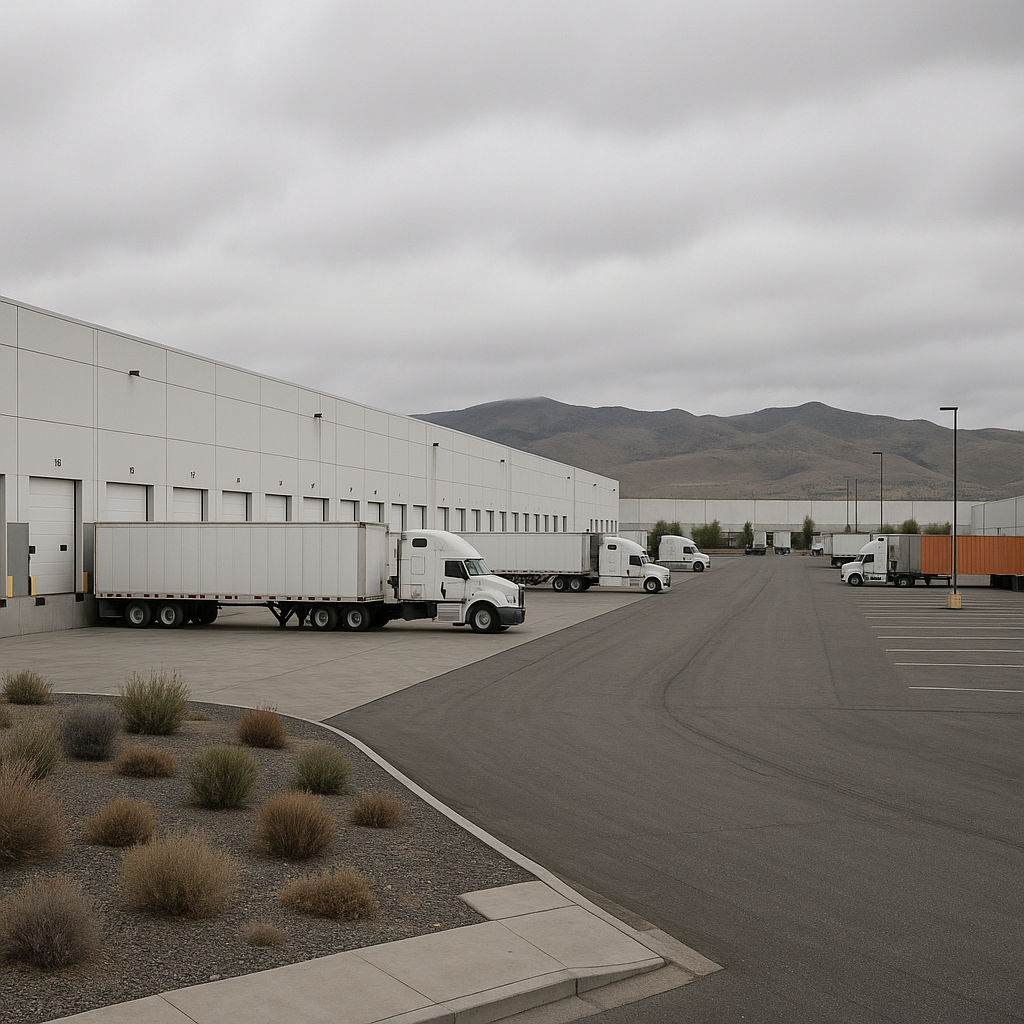
Freight Distribution Centers in Reno-Sparks: The Heart of Northern Nevada’s Supply Chain
The Reno-Sparks region in northern Nevada has emerged as a vital hub for logistics and warehousing, thanks to its strategic location and business-friendly environment. Freight distribution centers in Reno-Sparks are crucial for the movement of goods throughout the western United States, supporting industries from retail to high-tech manufacturing. This article explores the dynamics of freight activity in the area, the types of trucks and goods moving through the region, the challenges posed by congestion, and how timing and seasons impact truck traffic.
—
Overview of the Northern Nevada Freight Corridor
Nestled at the crossroads of Interstate 80 and U.S. Highway 395, Reno and Sparks have leveraged their geographic advantages to become a powerhouse in freight distribution. The I-80 freight corridor acts as a gateway between California and the rest of the United States, creating a high volume of trucking activity through the Reno-Sparks area. With major distribution centers for companies like Amazon, Walmart, Tesla, and Zulily, the demand for fast, efficient freight movement has never been higher.
The region’s proximity to Northern California allows for same-day or next-day delivery to population centers such as San Francisco and Sacramento. Additionally, generous state incentives, a lack of inventory tax, and a stable climate attract distribution operations looking for a reliable base. The Tahoe-Reno Industrial Center (TRIC)—the largest industrial park in the world—hosts hundreds of logistics and e-commerce facilities, making it the nucleus of northern Nevada’s logistics sector.
As a result, the region routinely sees a mix of regional, national, and international freight moving through its arteries—by truck, rail, and even air (thanks to the Reno-Tahoe International Airport’s freight capabilities).
—
Common Truck Types and Freight Activity in the Area
Freight distribution centers in Reno-Sparks serve a wide spectrum of industries, requiring a diversity of trucking solutions. Some of the most common truck types regularly seen in the area include:
– 53-foot Dry Vans: The workhorse of truckload shipping, these trucks transport non-perishable products such as consumer goods, electronics, textiles, and packaged foods.
– Refrigerated (“Reefer”) Trucks: Essential for perishable goods, refrigerated trucks move groceries, pharmaceuticals, and specialty foods, capitalizing on the region’s central location for West Coast distribution.
– Flatbed Trucks: Used to move heavy equipment, raw materials, and construction supplies in support of ongoing regional development.
– Box Trucks and Delivery Vans: Smaller vehicles circulate between distribution centers and local destinations, facilitating the “last mile” delivery necessary for booming e-commerce.
Activity is largely shaped by the needs of high-volume retailers, tech companies, automotive suppliers, and grocery chains. The area’s logistics centers manage everything from unloading and palletizing to cross-docking—where goods are transferred from inbound to outbound vehicles with minimal storage time for maximum efficiency.
Freight moving through Reno-Sparks distribution centers might be bound for Nevada’s rural mining regions, tech campuses in Northern California, or farther afield toward the Midwest or Pacific Northwest.
—
How Congestion or Merging Creates Risk
Despite its logistical assets, the Reno-Sparks region faces certain risks due to traffic congestion and highway design. The constant influx and outflow of trucks—especially during peak shipping periods—can lead to bottlenecks on key routes like I-80, US 395, and the I-580 connector.
Merging Lanes and Interchange Complexity:
Major interchanges around the Spaghetti Bowl (the nickname for the I-80/I-580 interchange in Reno) require quick lane changes and high alertness. Trucks entering or exiting highways near distribution centers must often share space with cars, creating potential conflicts—especially when passenger vehicles may not appreciate the wider turns or longer stopping distances trucks require.
Peak Congestion Points:
– Victory Highway/West I-80 (Fernley to West Reno): High volumes of east-west freight, particularly in the morning and late afternoon shipping windows.
– TRIC and USA Parkway: Industrial traffic efflux, especially during shift changes.
– McCarran Boulevard Loops: Heavy local truck activity servicing industrial parks and commercial warehouses.
Congestion amplifies the risk of:
– Rear-end collisions, as trucks require significantly longer stopping distances.
– Sideswipes and close-call lane changes due to merging and weaving around entrance and exit ramps.
– Bumper-to-bumper “rush hour” scenarios where a sudden slowdown can ripple backward, increasing danger for both truck drivers and other motorists.
All these factors make route planning, driver education, and infrastructure maintenance key concerns for Nevada’s Department of Transportation and private freight companies alike.
—
Time-of-Day and Seasonal Traffic Trends
Like many logistics corridors, freight traffic in the Reno-Sparks region follows predictable patterns influenced by economic cycles, regional events, and weather.
Time-of-Day Trends:
– Early Morning (4-8 AM): Inbound trucks from outlying regions arrive for early deliveries or to unload at warehouses.
– Midday (10 AM-2 PM): Outbound shipping ramps up, with trucks loaded for regional or cross-state distribution.
– Afternoon Rush (3-6 PM): Increased mix of commuter and freight traffic leads to congestion, particularly near distribution center clusters and interchanges.
– Nighttime (7 PM-2 AM): Linehaul operators favor off-peak hours to avoid urban congestion, leveraging quieter freeways for cross-country movement.
Seasonal Swings:
– Winter: Snow and icy conditions on mountain passes (notably Donner Pass on I-80) can delay shipments and increase truck density in staging areas while drivers wait for roads to clear.
– Holiday Peak (October-December): E-commerce-driven volumes spike, with increased truck arrivals and departures to accommodate holiday inventory.
– Spring/Summer: Construction season and tourism can drive surges in both freight and passenger vehicles, particularly on weekends and holidays.
These fluctuations affect delivery windows, warehouse staffing, and overall supply chain scheduling, demanding flexibility from distribution centers and carriers alike.
—
Conclusion
Freight distribution centers in Reno-Sparks are a backbone of Nevada’s economy and a vital link in the western U.S. supply chain. Their presence supports diverse industries and enables next-day delivery from the Bay Area to Salt Lake City. However, the associated growth in trucking and highway activity brings unique operational and safety challenges, from navigating congestion to adapting to variable seasonal flows. As Reno and Sparks continue to expand as a logistics epicenter, ongoing investments in infrastructure and thoughtful coordination between public agencies and private industry will be essential to keeping goods moving safely and efficiently for years to come.