
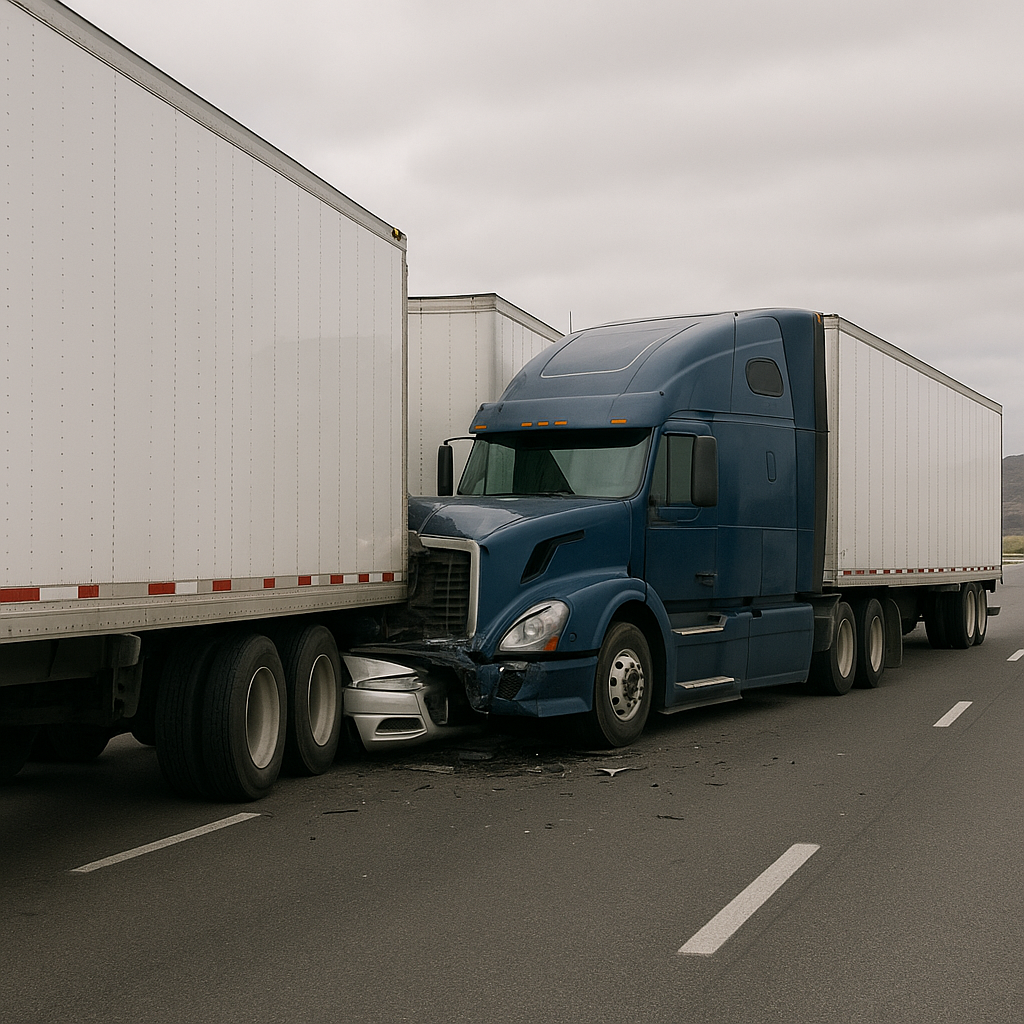
How Common Are Merging Semi Truck Crashes in Nevada?
Semi trucks are an unmistakable presence on Nevada’s vast network of highways. With major freight corridors such as Interstate 15 and Interstate 80 spanning busy cities and long desert stretches, it’s no wonder that motorists often find themselves driving alongside these massive vehicles. One question that frequently arises for both car drivers and trucking professionals is: How common are merging semi truck crashes in Nevada? This article explores why this question matters, uncovers the data and real-world context behind it, dispels common misconceptions, and offers Nevada-specific insights.
Why Nevada Drivers Ask This Question
Nevada’s unique geography and economic landscape make it a pivotal state for overland freight transport. Whether you commute daily between Reno and Sparks, traverse Las Vegas freeways, or drive the length of the Silver State on I-80, you’re bound to share the road with numerous 18-wheelers. Many motorists, concerned about safety, want to understand how frequently merging accidents—specifically involving semi trucks—occur.
This concern is heightened by Nevada’s typical driving conditions: rapid population growth, high tourism, large commercial trucks navigating city streets, and frequent highway construction. Many drivers have witnessed or narrowly avoided close calls when semi trucks attempt to merge onto highways or change lanes, particularly near on-ramps in urban areas or along rural stretches where speeds can be high. Knowing how common these crashes are helps drivers gauge their own risk and adopt safer driving habits.
Clear Explanation with Nevada Context
When evaluating how common merging semi truck crashes are in Nevada, it’s important to look at both crash data and Nevada’s specific road environment.
Helpful Background Information
– Truck Crash Statistics in Nevada: According to state-level data from the Nevada Department of Transportation (NDOT) and the Nevada Highway Patrol, large truck crashes make up a notable but relatively small portion of total collisions. In 2022, for example, over 1,100 crashes involved heavy trucks (vehicles weighing over 10,000 pounds), out of more than 57,000 total crashes statewide.
– Types of Crashes: Merging-related collisions refer to situations where a semi truck is entering a freeway from an on-ramp or changing lanes, and collides with another vehicle. Nationally, these types of crashes account for around 10–15% of all large truck accidents, according to Federal Motor Carrier Safety Administration (FMCSA) reports.
– Nevada-Specifics: Though the NDOT doesn’t break down its annual crash statistics into every subcategory, studies indicate merging conflicts are more common in urbanized areas like Las Vegas and Reno. Busy interchanges such as the Spaghetti Bowl (where I-15, I-515, and US 95 intersect in Las Vegas) are known hotspots.
Common Misconceptions
Several misconceptions persist regarding merging semi truck crashes in Nevada:
– Myth 1: Most Semi Truck Crashes Involve Merging.
Although merging and lane-change incidents are alarming due to their suddenness and potential severity, they make up only a minority of all semi truck-related accidents. Rear-end collisions, rollovers, and single-vehicle roadway departures are more prevalent in Nevada trucking data.
– Myth 2: Nevada’s Wide Open Highways Mean Fewer Merging Crashes.
While long stretches of Nevada’s highways are indeed open and lightly trafficked, merging crashes are not exclusive to urban congestion. Rural merging points—such as where trucks return to the highway after mandatory inspections or fuel stops—can still pose significant risks, particularly due to differences in vehicle speed.
– Myth 3: Only the Truck Driver Is Responsible.
Some believe that merging truck crashes are solely the fault of truck drivers. In reality, crash analyses indicate fault can be shared, or even rest with the passenger vehicle driver in some cases—often due to improper passing, erratic lane changes, or not accounting for a truck’s limited visibility and longer braking distance.
Closing Paragraph
In summary, merging semi truck crashes in Nevada are not the most common type of truck-involved accidents, but they are a notable concern, especially in high-traffic and urban areas. The combination of busy freeways, rapid traffic flows, and significant truck presence creates situations where merging conflicts can occur, but crash statistics indicate other accident types are more frequent overall. By understanding the local context, debunking misconceptions, and staying aware of truck blind spots and merging zones, Nevada drivers can better protect themselves and contribute to safer shared roads. Whether you’re behind the wheel of a car or commanding an 18-wheeler, staying informed is the first step toward avoiding preventable crashes on the Silver State’s highways.