
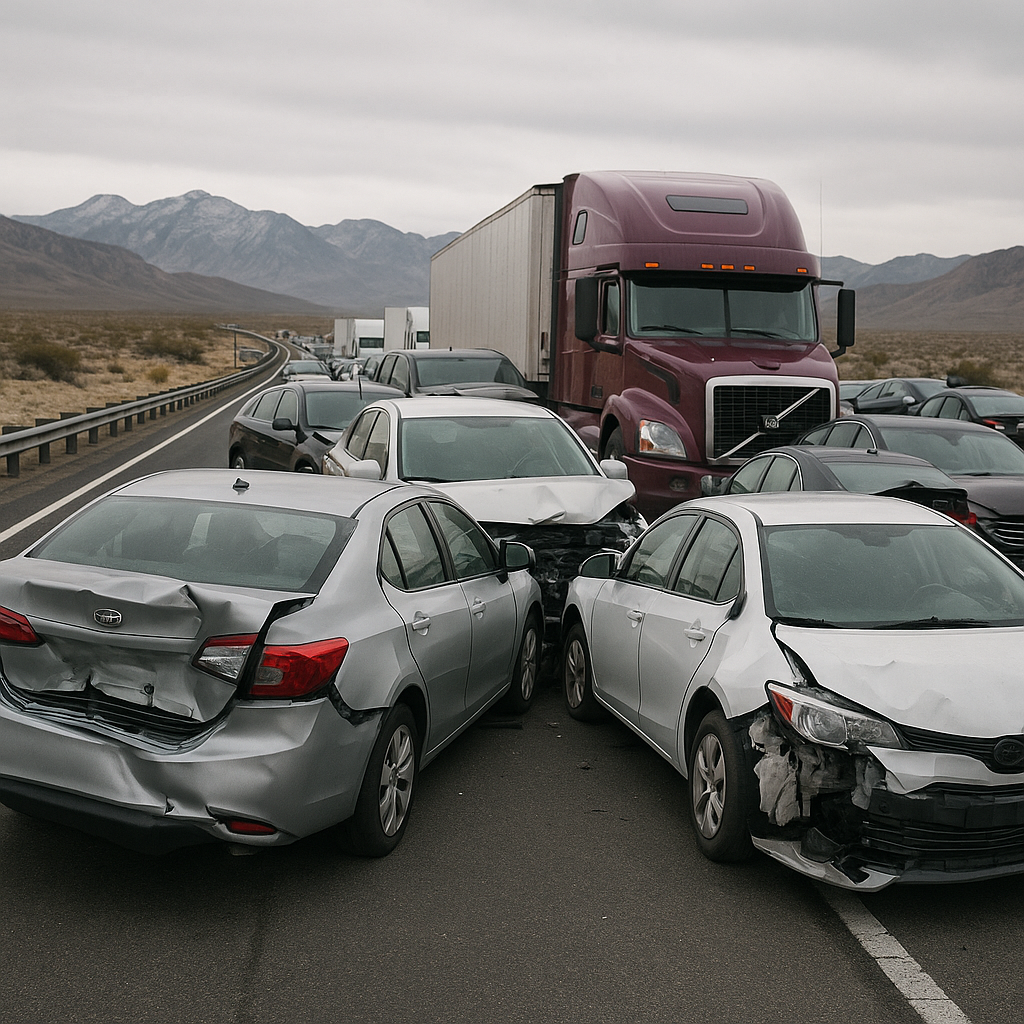
How Common Are Multi Vehicle Pileups in Nevada?
Why Nevada Drivers Ask This Question
With the bustling highways of Las Vegas and Reno, expansive desert stretches, and variable weather conditions, it’s natural for Nevada drivers to wonder about the frequency of multi vehicle pileups in their state. Headlines about major traffic incidents, coupled with Nevada’s unique driving environment, prompt regular questions from concerned drivers, tourists, and everyday commuters alike. Whether you’re a new resident, an out-of-state visitor, or a long-time Nevadan, understanding the risk of large-scale accidents can help you stay vigilant on the road.
Clear Explanation with Nevada Context
Multi vehicle pileups—commonly known as chain-reaction crashes involving three or more vehicles—do occur in Nevada, but they are not as routine as everyday fender benders or minor collisions. However, when multi vehicle pileups do happen, they often result in significant disruption and can involve serious injuries or fatalities.
Current data from the Nevada Department of Public Safety and the National Highway Traffic Safety Administration (NHTSA) indicate that the vast majority of accidents in Nevada involve only one or two vehicles. According to 2022 Nevada crash statistics, rear-end collisions and angle crashes are most common, while pileups involving three or more vehicles make up a small percentage of total accidents—usually less than 2% of reported crashes annually.
But, what sets Nevada apart from other states is not the sheer number of pileups, but rather the environmental and infrastructural factors that occasionally contribute to these accidents. Long, open highways and stretches of rural interstate—such as I-15, I-80, and the Spaghetti Bowl interchange in Las Vegas—can become particularly dangerous under certain conditions. Dust storms in southern Nevada, flash flooding, or winter storms in northern counties create low-visibility situations that can rapidly escalate a minor mishap into a multi vehicle pileup.
Helpful Background Information
To better understand why these incidents happen, it’s useful to look at some of the characteristics unique to Nevada’s roadways:
– Weather-Related Hazards: Unlike states with ongoing rain or snow, Nevada’s accidents are often linked to sudden, severe weather events. Wind-driven dust storms, in particular, can quickly bring visibility to near zero on highways, leaving drivers little time to react to slowing or stopped vehicles ahead. Northern Nevada highways are also susceptible to black ice and sudden snow squalls.
– Tourist Traffic: Major routes like the Las Vegas Strip and highways leading to state attractions (such as Lake Tahoe or Hoover Dam) experience heavy tourism traffic. Visitors unfamiliar with traffic patterns or local speed limits may react unpredictably during emergencies, heightening the risk of chain-reaction crashes.
– High-Speed Zones: Large sections of Nevada’s interstate system have relatively high speed limits. When accidents occur at high speeds, they are more likely to involve multiple vehicles because trailing cars have less time and distance to brake safely, particularly in low-visibility conditions.
– Sparse Emergency Services in Rural Areas: In many rural parts of Nevada, emergency response times can be longer. An initial collision may remain unattended on the roadway for several minutes, increasing the chance of additional vehicles becoming involved before first responders can secure the scene.
Common Misconceptions
There are several misconceptions about multi vehicle pileups in Nevada:
– Myth: Pileups happen frequently on the Las Vegas Strip.
While Las Vegas has some of the state’s highest traffic volumes, multi vehicle pileups are actually more common on highways and interstates outside city centers, especially during adverse weather.
– Myth: Pileups are mostly caused by drunk driving or reckless behavior.
While impaired or distracted driving increases the risk of any accident, most Nevada pileups are directly linked to sudden changes in visibility or weather conditions, rather than deliberate misconduct.
– Myth: All pileups result in serious injuries or deaths.
Although pileups can cause catastrophic outcomes, many result in property damage only. The severity of injuries often depends on vehicle speed, the number of vehicles involved, and how quickly the scene is secured.
Closing Paragraph
In summary, while multi vehicle pileups in Nevada are less common compared to other types of accidents, Nevada’s unique highway environment and weather patterns mean these events do occur—sometimes with dramatic consequences. Staying alert during inclement weather, observing recommended speed limits, and leaving extra room between vehicles can help Nevada drivers minimize their risk. Staying informed about the realities of multi vehicle pileups Nevada common to the region helps foster safer roads for everyone traveling across the Silver State’s highways.