
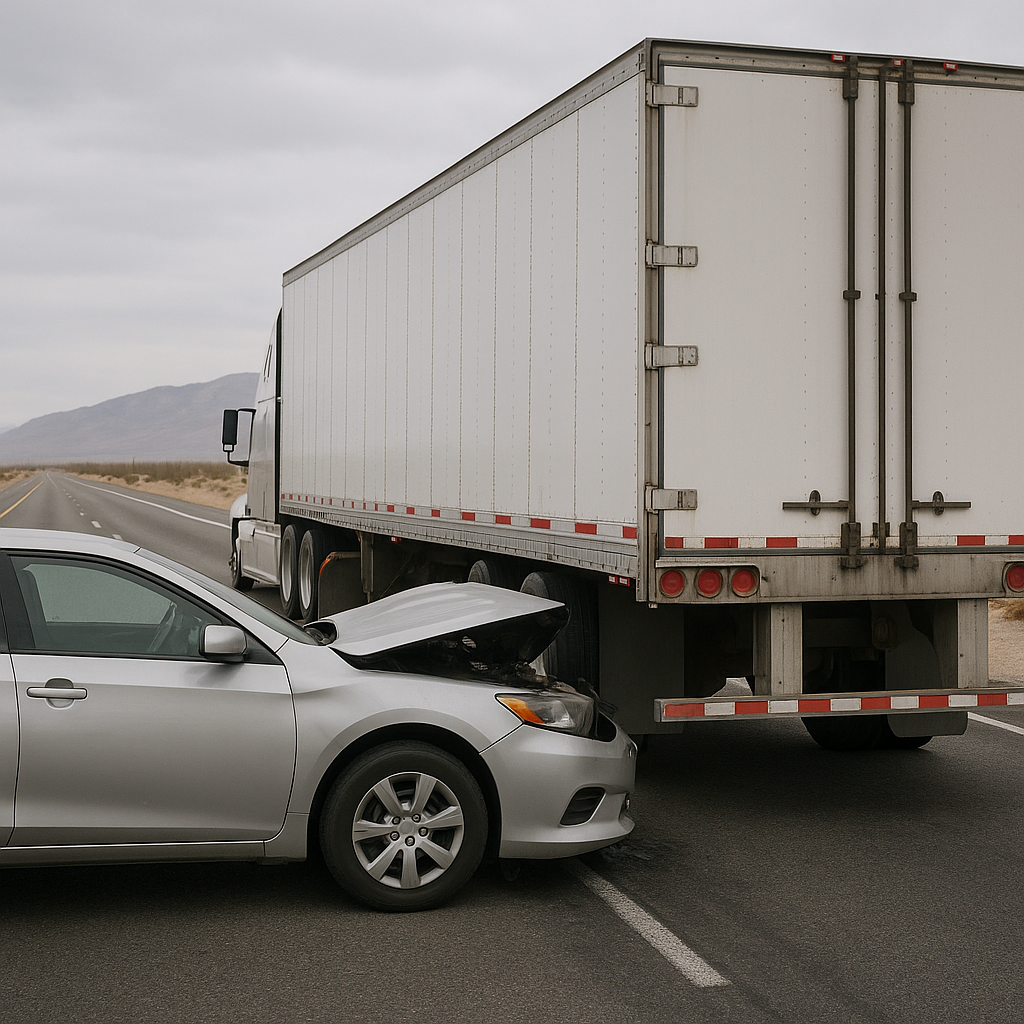
How Common Are Rear End Truck Crashes in Nevada?
Rear end truck crashes in Nevada are a frequent occurrence, leading many residents and motorists to question just how common these accidents are on local roadways. With Nevada’s unique traffic conditions, mix of urban and rural environments, and significant trucking activity due to its geographic location, understanding the prevalence of rear end truck collisions is essential for drivers concerned about road safety.
—
Why Nevada Drivers Ask This Question
Nevada drivers are particularly interested in rear end truck crashes because of the state’s extensive highway network and heavy trucking traffic. Interstate 15 and Interstate 80, which cut through Nevada, are two of the West’s major trucking corridors, connecting neighboring states and facilitating freight movement. Las Vegas, Reno, and other growing cities attract both local and long-distance truckers, leading to increased exposure to large vehicles on not just highways, but also city streets.
Concerns about safety are further fueled by news reports detailing high-profile trucking accidents, some resulting in injuries or fatalities. With passenger vehicles sharing the road with massive trucks, many Nevadans wonder how likely it is to be involved in such a rear end crash—and what factors make these incidents frequent in Nevada compared to other states.
—
Clear Explanation with Nevada Context
When it comes to rear end truck crashes, Nevada’s statistics generally mirror broader national trends, but several local factors contribute to their frequency. According to Nevada Department of Transportation (NDOT) data and recent state traffic reports, rear end collisions—especially involving large trucks—are among the most common types of crashes on Nevada roads.
How Often Do They Happen?
While the specific numbers fluctuate year by year, rear end collisions consistently make up a significant portion of “multi-vehicle” crashes in Nevada. NDOT reports that rear end crashes account for approximately one in five motor vehicle accidents in the state. When isolating accidents that involve large trucks—such as tractor-trailers, delivery trucks, and semi-trucks—the percentage involving rear end impacts remains considerable.
On Nevada highways, rear end truck crashes are particularly common in areas with traffic congestion, sudden speed changes, or construction zones. In urban centers like Las Vegas and Reno, high traffic volume, frequent merging, and multiple lanes increase the opportunities for rear end impacts between trucks and smaller vehicles.
Local Factors at Play
– Tourist traffic: Cities like Las Vegas draw millions of tourists annually, creating a mix of unfamiliar drivers and commercial vehicles.
– Desert driving conditions: Long, open stretches of road combined with heat, sun glare, and fatigue can be hazardous, especially for truckers on tight schedules.
– Construction and growth: Ongoing infrastructure improvements can cause sudden slowdowns or lane changes, increasing rear end collision risk.
—
Helpful Background Information
To better understand why rear end truck crashes are so common in Nevada, it’s helpful to consider more general factors that contribute to these kinds of accidents:
– Truck stopping distances: Large trucks require much more distance to stop compared to passenger vehicles. If traffic suddenly slows, a truck may not be able to brake in time to avoid a rear end collision.
– Driver distractions: Nevada roads are no exception to the nationwide spike in distracted driving incidents, which can cause drivers to overlook slowing vehicles ahead.
– Heavy trucking traffic: Nevada’s status as a key logistics hub means a greater concentration of trucks, especially on highways and routes to distribution centers.
– Speed differentials: The speed at which trucks and cars travel can vary greatly, especially when trucks must slow down for turns, congestion, or weigh stations.
Data from the Federal Motor Carrier Safety Administration (FMCSA) suggests that rear end crashes are one of the most frequently reported types of truck accidents nationwide, a trend that Nevada mirrors. Most often, in truck-involved rear end crashes, the truck either strikes the rear of a smaller vehicle, or is itself struck from behind by a passenger car.
—
Common Misconceptions
Several misconceptions persist about rear end truck crashes in Nevada:
– “They only happen on highways.” While highways see a large share of these accidents, rear end truck crashes also occur frequently at traffic lights and intersections within urban areas.
– “Trucks are always at fault.” Fault depends on many details—sometimes it’s the truck driver, but other times the driver of the other vehicle may be responsible, such as if they made an abrupt stop or unsafe lane change.
– “All crashes are severe.” Not every rear end collision with a truck leads to catastrophic injuries or major vehicle damage, but the size difference between vehicles generally increases the risk of more serious outcomes.
– “New technology eliminates risk.” Devices like collision warning systems help, but even in trucks equipped with advanced safety features, rear end crashes can still occur due to human error or mechanical issues.
—
Closing Paragraph
Rear end truck crashes in Nevada are more common than many drivers might expect and are influenced by both statewide and local factors. With Nevada’s growing population, bustling tourism industry, and continued economic development leading to more trucks on the road, the potential for such accidents remains significant. While awareness and modern safety technology can help reduce the risk, staying alert, maintaining safe following distances, and adapting to ever-changing road conditions are the best ways for Nevada motorists to stay safe amidst heavy truck traffic. For those living and driving in the Silver State, understanding the prevalence of these accidents is an important part of planning safe journeys—whether you’re behind the wheel of a car or a truck.