
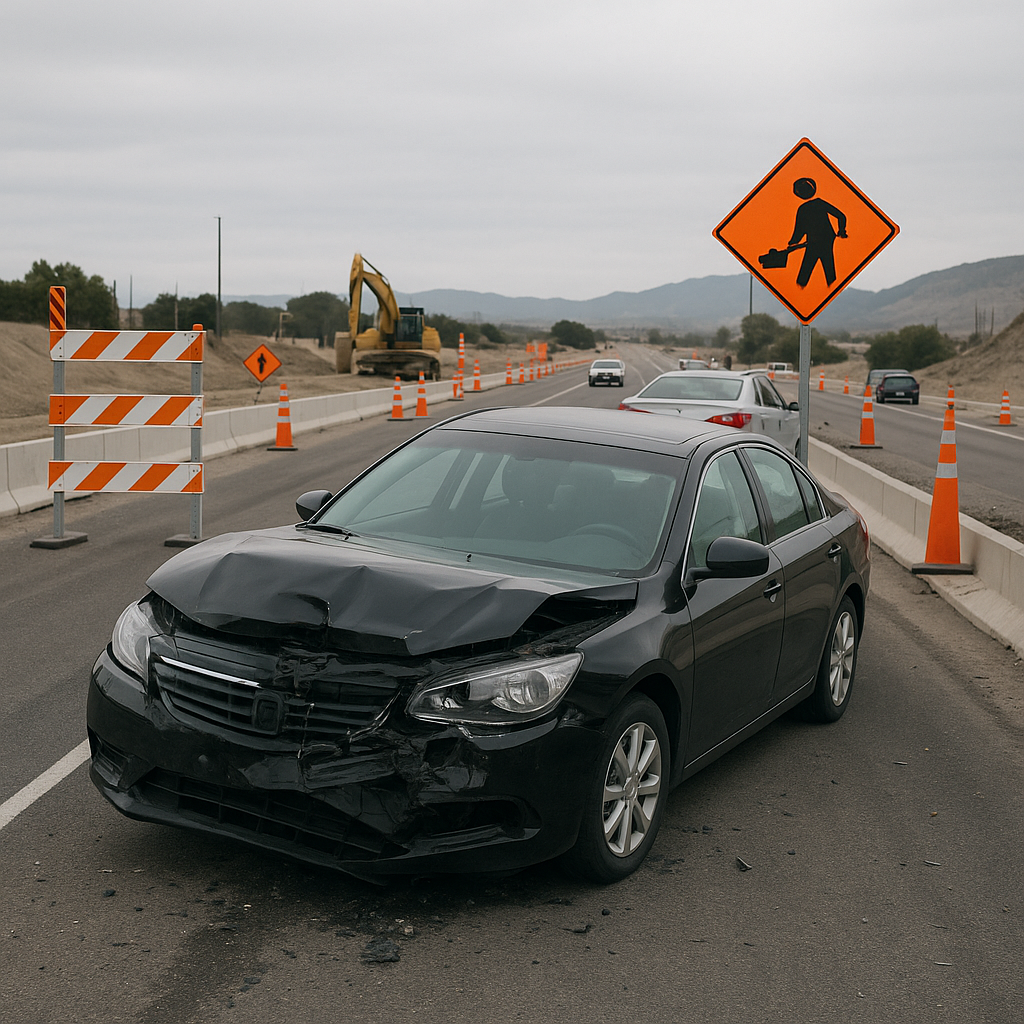
How Construction Zones Influence Crash Patterns in Nevada
Overview of the Trend or Pattern
Construction zones are an inevitable aspect of infrastructure development and maintenance, especially in a rapidly growing state like Nevada. With ongoing projects ranging from highway expansions to urban road repairs, the presence of construction zones has become a frequent part of Nevada’s driving landscape. These zones drastically influence crash patterns, leading to variations in both frequency and severity of traffic accidents across the state.
Understanding how construction zones influence crash patterns in Nevada requires an exploration of the unique characteristics that make these areas hotspots for traffic incidents. Data from the Nevada Department of Transportation (NDOT) and traffic safety organizations reveal that construction zones often experience an uptick in crash occurrences compared to normal road conditions. While the overall number of crashes in Nevada has fluctuated over recent years in response to various factors, crash rates in construction zones tend to follow a distinct trend of increased risk due to disruptions in normal traffic flow and roadway conditions.
This trend is especially important to recognize because the implications extend beyond immediate accidents. Construction zones not only create temporary hazards but also shift driving behaviors in ways that can increase long-term risk, alter traffic patterns, and affect emergency response times. By examining these dynamics, Nevada drivers, policymakers, and transportation planners can better understand the risks and work collaboratively to enhance road safety during construction activities.
Common Factors Behind the Pattern
Several key factors contribute to why construction zones tend to influence crash patterns in Nevada:
1. Reduced Lane Widths and Lane Shifts
Construction zones often involve lane closures, narrow lanes, or shifted lanes that differ from the usual road alignment. These changes disrupt normal driving habits, leading to confusion or unexpected maneuvers. For example, on Nevada highways such as I-15 or US-95, sudden lane merges or narrowing can create bottlenecks and increase the likelihood of rear-end collisions and side-swipes.
2. Speed Reduction and Enforcement
Speed limits are typically reduced in construction zones to protect workers and other drivers. While lower speeds may reduce the severity of some crashes, they can also lead to abrupt changes in vehicle speeds—especially if some drivers do not adhere to posted limits. This variability in speeds can contribute to rear-end collisions and other types of accidents.
3. Distracted and Aggressive Driving
Construction zones demand heightened attention from drivers because of lane shifts, signage, flagged instructions, and workers on or near the road. However, distractions such as cell phones, GPS devices, and even curiosity (“rubbernecking”) can increase crash risk. Nevada’s construction zones can be particularly challenging due to heavy traffic volumes, leading to frustration and aggressive maneuvers like sudden lane changes or unsafe passing.
4. Complex Traffic Control Devices
Temporary traffic signals, cones, barriers, and flaggers are used to direct drivers safely through construction zones. Misunderstandings of these controls or non-compliance can result in crashes. In Nevada, where many construction sites are in semi-urban or urban areas with high traffic density, the complexity of traffic control devices can be a significant source of confusion.
5. Nighttime Visibility Challenges
Many construction projects in Nevada take place overnight to reduce daytime congestion. However, reduced visibility at night, combined with bright construction lighting, can impair driver perception and judgment. This can elevate the risk of accidents, particularly impacts involving construction workers or vehicles entering and exiting the zone.
Why Severity May Be Higher in Nevada Conditions
Nevada’s unique geographic, climatic, and infrastructural conditions contribute to potentially higher crash severity within construction zones compared to other states.
1. High-Speed Rural and Interstate Roads
Nevada features vast stretches of rural highways and interstate freeways where speed limits are often 65 mph or higher. When construction zones are established on these high-speed roads, the difference between usual and posted construction zone speeds can lead to abrupt decelerations and more severe crashes, such as high-impact rear-end collisions or side impacts.
2. Desert Climate and Weather Variability
Nevada’s desert climate brings extreme temperatures and occasional weather events like dust storms or sudden winds. Dust storms can drastically reduce visibility in construction zones, increasing the risk that drivers will not see lane closures or workers in time to react safely. High heat can also affect construction materials and pavement stability, leading to unexpected surface irregularities that might contribute to loss of vehicle control.
3. Rapid Urban Growth and Traffic Congestion
Urban centers like Las Vegas and Reno have experienced explosive growth, resulting in increased road construction to accommodate expanding populations. This growth leads to overlapping construction projects and prolonged periods of traffic congestion. In highly congested urban construction zones, crashes involving multiple vehicles can be more common and severe due to stop-and-go traffic and short headways between vehicles.
4. Presence of Heavy Vehicles and Tourist Traffic
Nevada’s status as a tourist destination generates diverse traffic mixes, including large recreational vehicles and heavy trucks, which may be less accustomed to navigating construction zones. The presence of heavy vehicles can amplify crash severity through greater mass and size disparities compared to passenger vehicles.
How Patterns Change Over Time
Crash patterns in Nevada’s construction zones do not remain static; they evolve as projects progress, traffic adapts, and safety measures are implemented.
Early Phases: Higher Incident Frequency
At the onset of construction, disruptions to traffic patterns and unfamiliar configurations typically result in a spike in crashes. Drivers encounter new signage, lane changes, and narrower lanes, often leading to confusion and errors. This initial phase is most critical for implementing targeted safety measures, such as increased enforcement and enhanced warning systems.
Mid-Stage: Adaptation and Safety Improvements
As construction progresses, drivers gradually adapt to temporary traffic patterns. Efficacy of traffic control devices often improves through adjustments based on real-time feedback from traffic engineers and law enforcement. Moreover, ongoing public information campaigns increase awareness, which can reduce crash frequencies.
Late Stage: Residual Risks and Transition
During the final stages of construction and restoration, construction zones shrink or shift, but residual risks may remain. Partially completed road surfaces, temporary markings, and ongoing equipment movement continue to present hazards. Patterns of crash involvement may shift towards minor collisions or single-vehicle accidents, especially if drivers overestimate the completion of work zones.
Post-Construction: Long-Term Effects on Traffic Safety
Post-construction, traffic flow may permanently change due to roadway improvements, lane additions, or new traffic signals. Though the physical construction zone disappears, altered traffic volumes and speeds can influence long-term crash patterns. Continuous monitoring by NDOT ensures that any emerging safety issues related to these changes can be addressed proactively.
Neutral Closing Paragraph
Construction zones are essential for maintaining and improving Nevada’s transportation infrastructure, yet their presence inevitably influences crash patterns in complex ways. By understanding how these zones affect traffic behavior and crash frequency and severity, stakeholders can work together to enhance safety measures tailored to Nevada’s specific conditions. Ongoing research, public education, and timely implementation of safety innovations remain critical to minimizing risks in construction zones. As Nevada continues to grow and invest in its roadways, a balanced approach that prioritizes both infrastructure progress and driver safety will be key to protecting all road users.