
How Dash Cam Footage Is Requested After Nevada Crashes
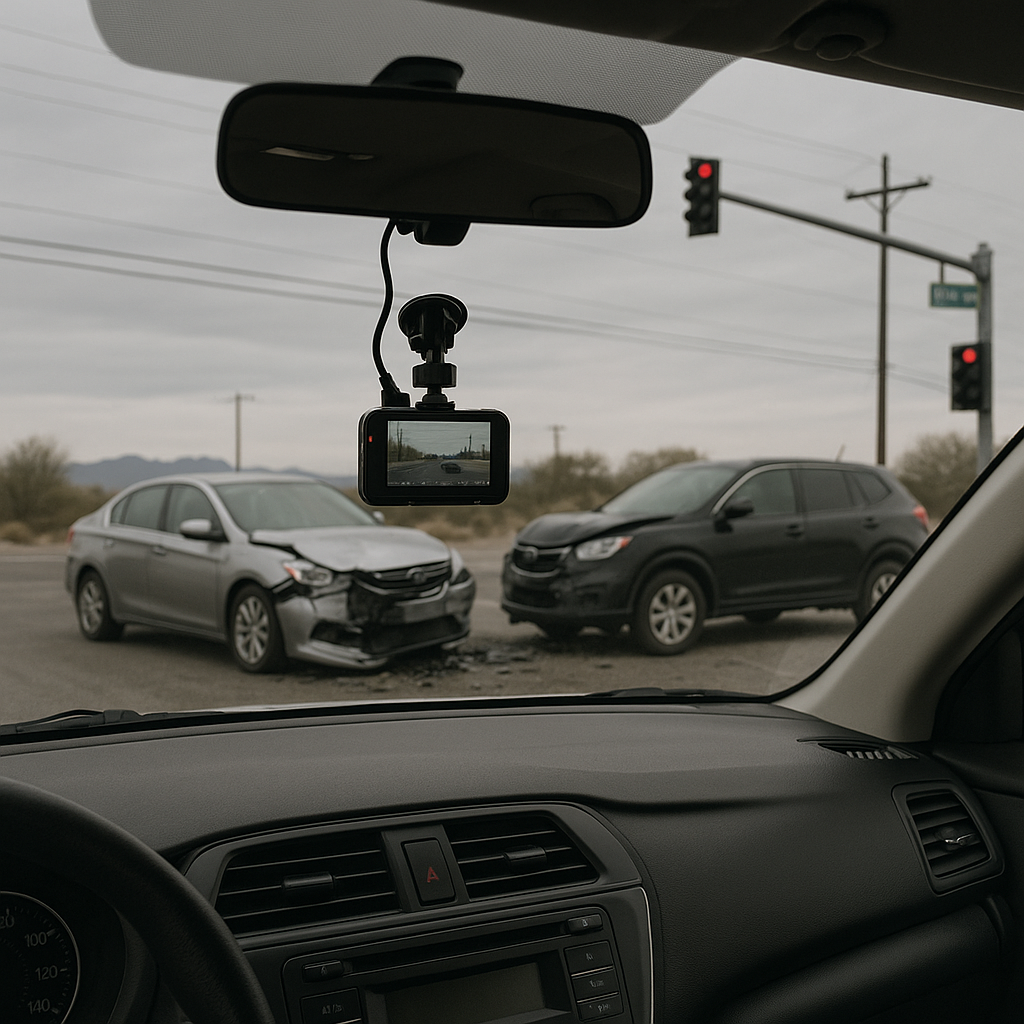
In a world where technology accompanies us at nearly every turn, dash cams have grown increasingly prevalent on Nevada’s busy roads. These small devices quietly record the journey, but their significance often becomes apparent only in the aftermath of a collision. Understanding how dash cam footage is requested after a Nevada crash helps demystify the process for drivers and underscores the role of such evidence in crash investigations.
Overview of Crash Response and Reporting Systems in Nevada
Nevada’s roadways—ranging from the bustling Las Vegas Strip to the remote highways crossing the desert—are governed by a combination of state laws and local enforcement. When a crash occurs, the immediate response typically involves one or more agencies: local law enforcement (such as city police or county sheriff’s deputies) or the Nevada Highway Patrol. The first priority is ensuring everyone’s safety and addressing medical needs.
Once the scene is secure, officers gather information from the parties involved, including personal details, insurance information, and narratives of the incident. Their assessments culminate in a crash report—a document forming the foundation for future investigations or insurance claims.
Dash cams increasingly factor into these investigations. The mere mention of possible video evidence can alter the direction of a crash inquiry. Both officers and insurance adjusters recognize that dash cam footage may provide unbiased visual details that words alone sometimes cannot capture. However, there is a structured process to how dash cam footage is requested, evaluated, and ultimately considered in the context of a Nevada crash.
Common Agencies and Reporting Steps
The agencies most commonly engaged in the reporting and investigation of Nevada crashes include:
– Nevada Highway Patrol: Oversees incidents on state highways and interstates.
– Local Police Departments: Handle crashes within city limits.
– County Sheriff Departments: Respond to wrecks in unincorporated areas.
– Insurance Companies: Become involved after initial emergency response and reporting.
When authorities or insurance representatives learn of a dash cam’s existence, they may inquire about its footage, especially if the circumstances of the crash are unclear or when participants offer differing accounts. While law enforcement officers can request to view dash cam evidence at the scene, the process for obtaining an official copy can vary depending on who is requesting and for what purpose.
Insurance companies, too, may reach out to policyholders following crash reports, asking if dash cam video is available. Adjusters analyze this footage to better understand the event and help determine liability.
Outside formal settings, parties involved in a crash sometimes approach one another directly, inquiring whether dash cam footage exists and whether it can be shared privately or through official channels.
Documentation Typically Involved
Several forms of documentation are pertinent when dash cam footage is part of a crash investigation. The standard crash report often references whether dash cam evidence was reported or collected. If officers review dash cam footage on-site, this may be noted in their statements, along with their observations.
Other documentation may include correspondence between drivers, officers, and insurance representatives. When footage is formally requested—whether by law enforcement, legal representatives, or insurers—a written request or form is typically produced. This documentation helps maintain a transparent chain of custody, identifying who has accessed the footage and under what circumstances.
Alongside formal requests, footage may be accompanied by explanations or sworn statements regarding its authenticity and sequence. Parties sometimes submit such supplementary documentation when providing footage to their insurers or relevant authorities.
All of these documents—and the dash cam files themselves—can become important pieces of evidence in the event of debates over liability, property damage, or potential legal proceedings.
Common Reporting Misunderstandings
Despite their growing popularity, dash cams and their associated footage are surrounded by several misunderstandings in the context of Nevada crash reporting. One common misconception is that footage is automatically collected or reviewed by authorities after a crash. In reality, footage is only accessible if the dash cam owner is willing or required to share it. Unless there is a subpoena, law enforcement generally does not have direct access to privately recorded footage.
Another misunderstanding concerns data retention. Many drivers do not realize that dash cams may overwrite old footage. If the video is not saved soon after the crash, it may be lost—sometimes before any agency or insurer has the chance to request it.
Some believe that dash cam evidence is always conclusive or overrides all other forms of evidence. However, its value can depend on factors like image quality, angle of view, and whether audio is included. It is also important to understand that all parties—including insurance firms and law enforcement—will look for corroborating information alongside video clips, such as witness statements and physical evidence from the scene.
Lastly, there is confusion about privacy and legal rights. Questions sometimes arise regarding who has a right to view or possess the footage. The sharing and use of dash cam video is generally a voluntary act unless a court orders its release. Each case can present unique circumstances when it comes to sharing digital evidence in Nevada.
Neutral Closing Paragraph
Dash cam footage is becoming an important element in Nevada’s post-crash landscape, frequently shaping investigations and insurance determinations. While the process for requesting such footage after a collision involves specific agencies and documents, it ultimately hinges on communication and consent from the individuals involved. By understanding these systems and remaining aware of common misconceptions, Nevada drivers can better navigate the aftermath of roadway incidents in a tech-oriented world.