
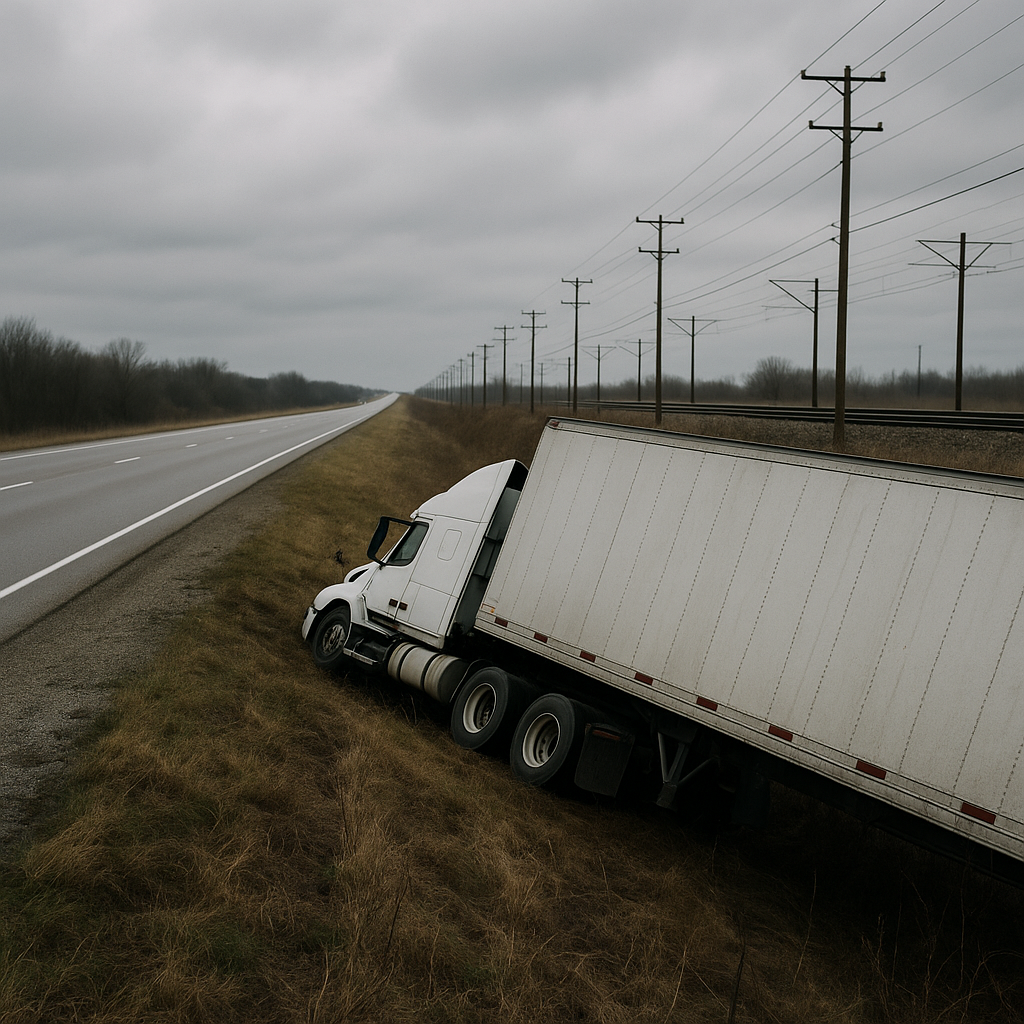
How Driver Fatigue Overlaps with Freight Corridors in Nevada
Nevada’s vast expanse of highways has made it a crucial hub for freight movement in the Western United States. The state’s key roadways, like Interstate 15 and Interstate 80, see heavy truck traffic year-round, as goods move between California, Utah, and beyond. While freight corridors deliver essential products and boost the economy, the combination of long stretches, high speeds, and tight shipping deadlines creates a unique set of safety challenges. Among the most pressing is driver fatigue—an issue that not only impacts the well-being of drivers but also other motorists sharing these Nevada highways.
Understanding how driver fatigue overlaps with freight corridors is essential for anyone interested in road safety, logistics, or the state’s economic future. This article explores Nevada’s high-freight routes, the types of trucking activities most common here, the role of highway congestion and merging, and how both time-of-day and seasonal trends contribute to the risk of fatigue-related incidents.
Overview of Nevada Freight Corridors and Trucking Activity
Nevada’s geographic position places it squarely on the nation’s freight map. The most significant routes include:
– Interstate 15 (I-15): Connecting Las Vegas to southern California and Utah, this route sees a steady stream of trucks transporting goods ranging from electronics to produce.
– Interstate 80 (I-80): Stretching from Reno through northern Nevada to the Utah border, I-80 is a major transcontinental corridor for everything from crude oil to retail shipments.
– US Highway 95: Running from the southern tip of the state up to the Oregon border, this highway serves as a secondary—but nonetheless significant—route for truckers.
Beyond these primary routes, secondary highways and bypasses help carriers avoid congestion or reach Nevada’s mining towns, distribution centers, and commercial hubs. The result is a state where freight activity is always present, often at all hours.
Common Truck Types and Freight Activity in Nevada
Nevada’s freight corridors see a wide mix of truck traffic, each with its specific operating demands:
– Long-haul tractors (18-wheelers): These dominate I-80 and I-15, often covering hundreds of miles without major stops. The nature of these routes—mile after mile of desert or mountainous terrain—can lull even experienced drivers into a false sense of security and lead to fatigue.
– Regional and local delivery trucks: Smaller box trucks and specialty freight carriers crisscross cities like Las Vegas, Reno, and Carson City, delivering food, medical supplies, and retail goods.
– Hazardous materials carriers: Given Nevada’s mining and energy industries, some routes see regular shipments of hazardous or oversized loads, which require extra attention and specialized driving skills.
The operational pressure to meet tight delivery windows, combined with the monotonous scenery along many Nevada highways, amplifies the risk that driver fatigue overlaps with freight corridors.
How Congestion and Merging Create Additional Risk
While Nevada’s highways may not see round-the-clock gridlock akin to big metropolitan areas, significant congestion occurs, particularly:
– Urban approaches: Inbound and outbound routes into Las Vegas (especially along I-15 and the I-515/US 95 corridor) and Reno (I-80 west and east) are consistently busy during commuting hours and special events.
– Tourist traffic: Weekends, holidays, and large events in Las Vegas can create unpredictable surges in passenger vehicle traffic, forcing trucks to frequently brake, accelerate, and navigate merge points.
Fatigued drivers are less likely to respond quickly to these sudden shifts, whether that be congested on-ramps, sudden lane merges, or unexpected slowdowns. In areas where freight corridors overlap with heavy car traffic—such as Spaghetti Bowl interchange in Las Vegas or where US 95 meets I-80 in northern Nevada—the consequences of delayed reaction times are amplified.
In addition, fatigued truckers may have difficulty judging gaps during lane changes or may struggle to maintain a safe following distance. These are critical safety risks not only for the drivers themselves but also for everyone else on Nevada’s highways.
Time-of-Day and Seasonal Traffic Trends
Time and seasonality further shape the way driver fatigue overlaps with freight corridors in Nevada.
Time-of-Day Patterns
– Nighttime and early morning hours: Many freight carriers prefer to move goods overnight, when roads are less congested. This practice aligns with logistical needs but can contribute to circadian rhythm disruptions, making it more likely for drivers to experience fatigue.
– Shift changes and extended hours: Due to the long distances between major Nevada cities, truckers often start shifts in the early morning or drive well into the night. Both patterns increase the chance of fatigue-related errors, especially during the post-lunch (early afternoon) and “graveyard” (2–6 a.m.) hours, when drowsiness is most common.
– Weekend vs. weekday trends: While weekday mornings and afternoons see the bulk of commercial freight, weekends bring additional risks as tourist and recreational traffic spikes, especially between Las Vegas, Reno, and Lake Tahoe.
Seasonal Traffic Surges
– Summer months: Vacationers hit Nevada highways en masse, especially during school holidays. The increased traffic volume along with high temperatures can worsen exhaustion for truck drivers.
– Winter conditions: Snow and ice, particularly in northern Nevada along I-80, create stress for all drivers. Fatigued truckers may be more likely to misjudge icy patches or slow response times, increasing crash risk during storms or sudden weather changes.
– Event-driven peaks: Major conventions, festivals, and sports events (like those at Las Vegas’ Allegiant Stadium) cause temporary spikes in both freight deliveries and passenger cars, putting extra demands on driver alertness.
Taken together, these time-of-day and seasonal factors create “perfect storms” when freight corridor activity and driver fatigue overlap, elevating safety concerns.
Closing Thoughts: The Importance of Awareness
As Nevada continues to develop as a key freight hub, the intersection where driver fatigue overlaps freight corridors will remain a pressing challenge. While advances in technology—such as in-cab monitoring or better rest stop planning—hold promise, awareness and education are still at the core of reducing collision risks. Whether you’re a driver, logistics planner, or daily commuter, understanding the unique pressures on those who keep Nevada’s economy moving is the first step toward safer highways for everyone.