
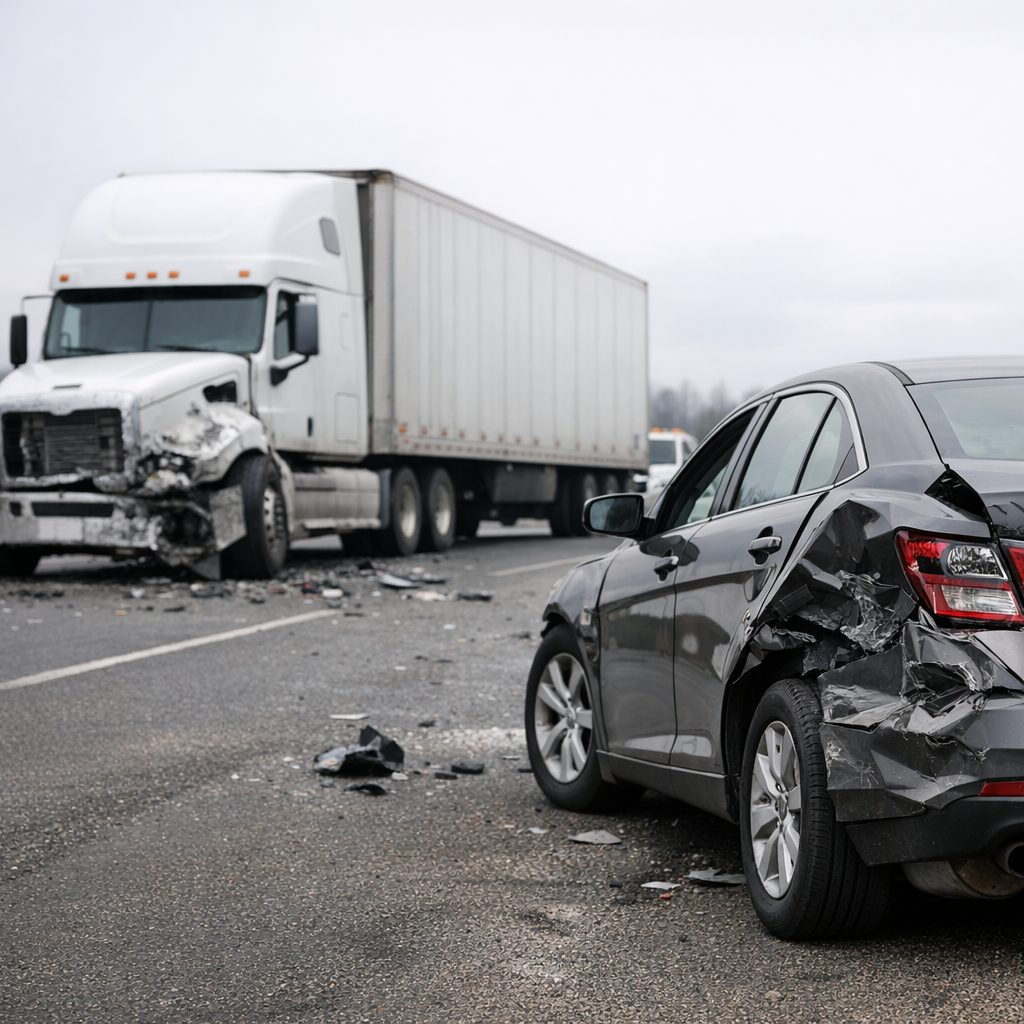
How Excess Liability Policies Apply in Truck Accidents
Introduction to Insurance Claims in Truck Accidents
Truck accidents can lead to significant damages and unusual complexities in insurance claims. Given the potentially high costs involved, especially in severe accidents, understanding how insurance policies, such as excess liability insurance, apply is crucial for involved parties.
How the Claims Process Typically Works in This Situation
When a truck accident occurs, insurance claims come into play to cover damages and losses. Initial coverage usually falls under the primary liability policy. However, when damages exceed this coverage, excess liability policies are crucial. These policies provide additional financial protection, bridging the gap between the primary coverage limit and the total settlement needed.
Key Steps Involved in Handling a Claim
1. Initial Reporting: The accident must be reported promptly to the insurance provider.
2. Assessment: An evaluation of damages and injuries is conducted to establish the scope of the claim.
3. Primary Coverage Utilization: The primary liability policy is used first to address claims up to its coverage limits.
4. Engagement of Excess Liability Policies: When the primary policy is insufficient, excess liability policies are triggered to cover outstanding amounts.
How Insurance Companies Review and Evaluate Claims
Insurance companies thoroughly assess claims to determine their validity and value. This review typically includes examining the accident report, collecting evidence, and consulting experts if necessary. The aim is to establish fault and calculate the financial implications accurately, ensuring the correct application of primary and any excess liability coverage.
Common Issues or Delays That May Arise
Delays in processing can occur due to incomplete documentation or disagreements over liability. Complex cases, such as those involving multiple parties or significant discrepancies in damages assessment, may also prolong the process. Effective communication and proper documentation are essential to mitigate these issues.
How Decisions and Payouts Are Generally Determined
Decisions regarding payouts are based on the assessment of damages, liability, and coverage limits. Once the primary insurance is exhausted, the excess liability policy steps in to fulfill any remaining obligations. Final determinations are made after thorough negotiations and evaluations by the insurance company.
General Awareness of Options When Challenges Occur
Should challenges arise, such as disputes over payouts or delayed processing, policyholders often seek professional advice. This might involve consulting with insurance experts or legal professionals to explore options and navigate the complexities of the claim effectively.
Closing Informational Summary
Understanding how excess liability policies function in the context of truck accidents is essential for managing expectations and navigating the claims process smoothly. While these policies provide critical supplementary coverage, staying informed and accurately documenting all aspects of the claim are vital to ensuring a resolution that aligns with the coverage terms.