
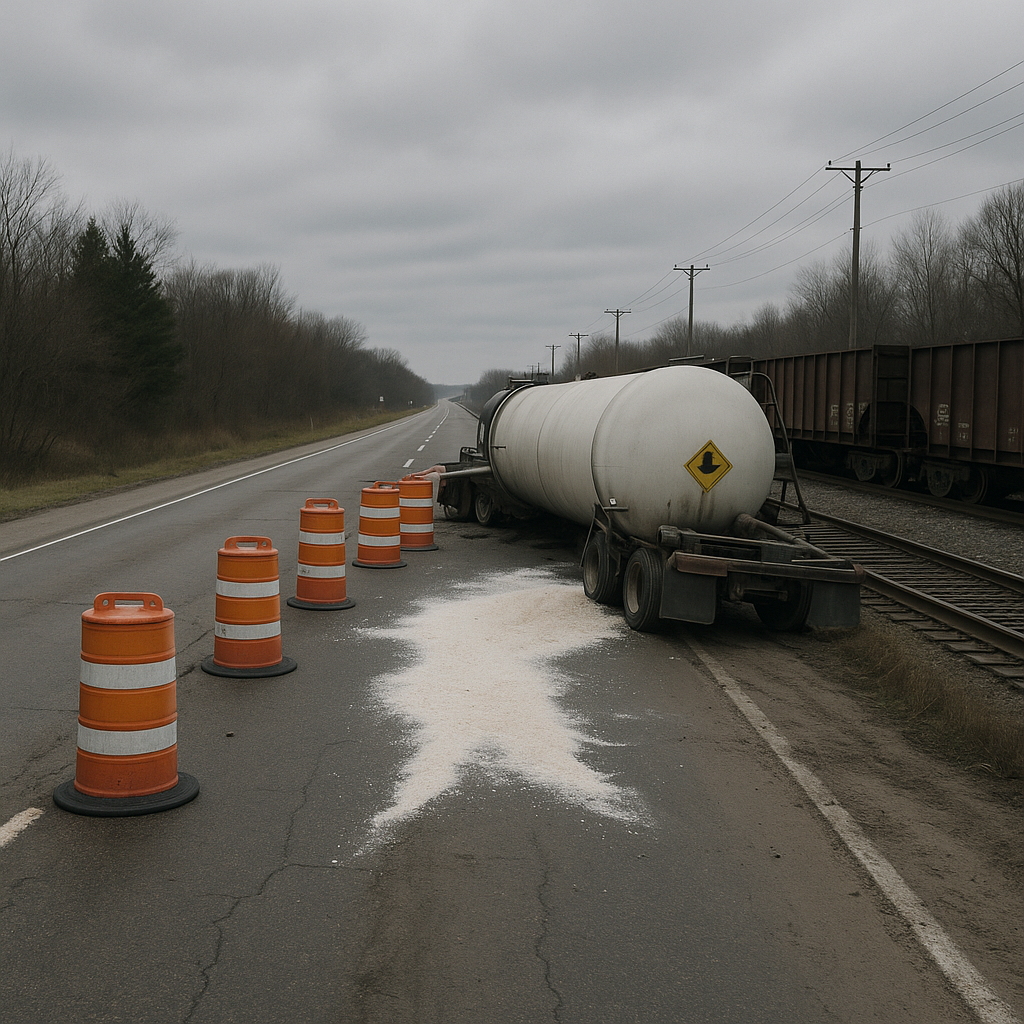
How Hazardous Cargo Affects Corridor Response Protocols in Nevada
Overview of the Freight Corridor or Trucking Activity
Nevada’s strategic location places it at the crossroads of major freight corridors connecting the West Coast to the rest of the United States. Key transportation arteries such as Interstate 15, Interstate 80, and U.S. Route 95 serve as vital conduits for commercial truck traffic. These highways support a diverse flow of goods—from consumer products to critical fuels—traversing rugged desert landscapes and urban centers alike.
Given Nevada’s mining, logistics, and distribution-driven economy, a significant proportion of vehicular traffic involves heavy-duty trucks. Among these trucks, a subset transports hazardous cargo—materials and chemicals that pose potential risks to people, infrastructure, and the environment if improperly managed. Understanding how hazardous cargo affects corridor response protocols is crucial to maintaining public safety, minimizing impact, and ensuring prompt, effective emergency action.
Nevada’s freight corridors are not just roads—they’re dynamic systems that must constantly balance economic productivity and public safety. Responding to incidents involving hazardous cargo amplifies this challenge, requiring intricate planning, specialized training, and seamless cooperation between transporters, local responders, and regulatory agencies.
Common Truck Types and Freight Activity in the Area
The trucking activity across Nevada is as varied as the cargoes carried. Standard tractor-trailers haul everything from consumer goods to raw materials. However, when it comes to hazardous materials (HAZMAT), many shipments involve specialized equipment and strict protocols.
Types of Hazardous Cargo Carriers:
– Tankers: Used for transporting liquid chemicals, fuels, and gases. These can be single-compartment or multi-compartment vehicles designed to handle flammable or corrosive substances.
– Box Trucks with HAZMAT Signage: Enclosed units that transport hazardous waste, batteries, pesticides, and other regulated substances.
– Flatbeds: Occasionally used for large, containerized HAZMAT loads requiring special handling, such as industrial machinery with fuel or chemical residues.
Nevada’s freight activity is distinguished by:
– Mining and Industrial Chemicals: Ammonium nitrate for mining, sulfuric acid, and other reagents frequently traverse rural corridors.
– Fuels and Petroleum: Las Vegas and Reno’s demand for gasoline, diesel, and jet fuel means tankers are a common sight on both interstates and secondary roads.
– Radioactive Materials: The proximity to federal research facilities and historical projects means occasional, highly regulated movement of radioactive cargo.
The mix of cargoes and frequent presence of hazardous materials make Nevada’s corridors especially vulnerable to unique risks. This in turn dictates specialized corridor response protocols that differ from non-HAZMAT scenarios.
How Congestion or Merging Creates Risk
Traffic congestion and merging patterns introduce complexity and risk to any trucking corridor. For hazardous cargo, these issues are magnified. Nevada’s high-growth corridors, especially around urban fringes like Las Vegas, Sparks, and Henderson, can see sudden surges in traffic flow, especially during events or peak commute times.
Risk Factors:
– Limited Escape Routes: When traffic bottlenecks form—especially around interchanges or at work zones—trucks carrying hazardous materials may be unable to quickly reroute or distance themselves from danger in the event of an accident.
– Increased Rear-End Collisions: Slow or stop-and-go traffic increases the likelihood of rear-end collisions, which can breach tanks or compromise cargo integrity.
– Merging Lanes: Onramps and lane reductions force trucks and passenger vehicles to negotiate limited space. Inexperience or ignorance of HAZMAT protocols among other drivers can lead to unsafe merging and cutoffs, raising the risk of incidents.
– Secondary Exposures: In a congested environment, an accident involving hazardous cargo may expose more people—motorists, first responders, bystanders—to dangerous fumes, flames, or debris.
Because hazardous cargo affects corridor response protocols, traffic management strategies must factor in these additional dangers. This includes advance notice of HAZMAT routes, real-time communication between transportation agencies, and specialized signage or variable messaging to inform and manage the flow of both trucks and the general public during emergencies.
Emergency Response Protocol Variations
In the event of an incident:
– First responders may need to establish extended perimeters, resulting in prolonged shutdowns.
– Evacuation or shelter-in-place orders can grow more complex in congested conditions.
– Decontamination procedures and resource allocation become more challenging.
Metro areas like Las Vegas have implemented coordinated incident management plans, including preset detour routes and agreements with regional HAZMAT teams. Rural areas, by contrast, may rely on mutual aid compacts and remote coordination. Real-time information sharing, route monitoring, and incident simulation exercises are increasingly important to address congestion’s multiplying effect on risk.
Time-of-Day and Seasonal Traffic Trends
Understanding the time-of-day and seasonal rhythms of Nevada’s trucking corridors is essential for anticipating and mitigating risks associated with hazardous cargo. Freight flows are seldom evenly distributed—certain times and seasons see more HAZMAT movement and, correspondingly, greater exposure to potential hazards.
Typical Patterns:
– Nighttime and Early Morning: Many hazardous material shipments are scheduled during overnight hours. This reduces daytime congestion and limits public exposure but brings its own set of challenges such as reduced visibility, potential driver fatigue, and limited immediate responder availability in less populated areas.
– Weekday Peaks: Like most urban economies, Nevada’s major corridors see morning and evening commuter traffic spikes. Transporters often avoid scheduling HAZMAT runs during these times to decrease risk. However, inevitable exceptions occur, particularly for time-sensitive shipments to industrial clients.
– Tourism and Event Surges: Las Vegas conventions, festivals, and major sports events can create unpredictable traffic spikes. During these periods, additional movement restrictions or alternative routes may be implemented for HAZMAT carriers.
– Winter Weather and Seasonal Closures: Northern Nevada’s mountain passes (such as those along I-80) are susceptible to winter storms and closures. Hazardous cargo routes are sometimes rescheduled or rerouted to minimize exposure to slippery conditions, low visibility, or avalanche risks.
These temporal patterns directly influence corridor response protocols. For example, nighttime incidents may trigger alerts to specialized responders or require advanced coordination with regional agencies. Event and seasonal surges can mean either additional staff on standby or rerouting of hazardous cargo away from dense population centers.
Neutral Closing Paragraph
Nevada’s role as a freight crossroads comes with complex responsibilities, especially concerning the movement of hazardous materials. How hazardous cargo affects corridor response protocols is a matter of ongoing coordination, innovation, and vigilance. By studying traffic patterns, implementing targeted protocols, and training responders to handle unique scenarios, Nevada’s agencies continue to evolve their strategies for supporting both economic growth and public safety. As the state’s population and freight volumes grow, ongoing dialogue between industry, policymakers, and communities will be essential to meeting new challenges on Nevada’s vital freight corridors.