
How Inspection Sites Affect Truck Traffic Flow in Nevada
Overview of the Freight Corridor and Trucking Activity
Nevada sits at a logistical crossroads in the American West, with its vast highways and strategic position connecting California, Arizona, Utah, and beyond. Interstate 80 and Interstate 15—two of the state’s major freight corridors—carry an immense volume of truck traffic every day. These roadways fuel Nevada’s economy, facilitating commerce not only for local industries like mining, agriculture, and tourism, but also for cross-country delivery.
Keeping Nevada’s roads safe and efficient is a top priority. For this reason, commercial vehicle inspection sites are positioned strategically across the state, including notable facilities at ports of entry such as Primm, West Wendover, and Reno. These inspection sites play a vital role in ensuring that trucks comply with state and federal regulations on safety, vehicle weight, and hazardous materials transport.
While such inspections protect road users by identifying unsafe vehicles or operators, they can also markedly influence the flow of freight traffic. Understanding how inspection sites affect truck traffic flow is essential for fleet managers, drivers, and anyone interested in Nevada’s robust supply chain.
Common Truck Types and Freight Activity in the Area
The range of trucks plying Nevada’s highways includes everything from light-duty delivery vans to heavy-duty tractor-trailers pulling double or even triple trailers. Flatbeds, refrigerated (“reefer”) trucks, tanker trucks carrying fuels or chemicals, and specialized vehicles for mining equipment are also common sights, reflecting the diversity of industry in the state.
Most inspection sites in Nevada are equipped to handle a wide array of truck types. However, certain sites may see more of a specific kind of vehicle depending on the closest industry. For example, at the Reno Port of Entry along I-80, a significant portion of truck traffic is made up of long-haul tractor-trailers transporting consumer goods between California and the heartland. Meanwhile, in southern Nevada, near Primm and the California border, trucks hauling goods bound for Las Vegas casinos and resorts are prevalent.
Nevada’s mining sector, one of the largest in the nation, contributes heavily to heavy-haul, oversize, and overweight truck traffic. Inspection sites play a crucial role in verifying that these unique cargoes comply with necessary permits and operational guidelines.
How Congestion or Merging Creates Risk
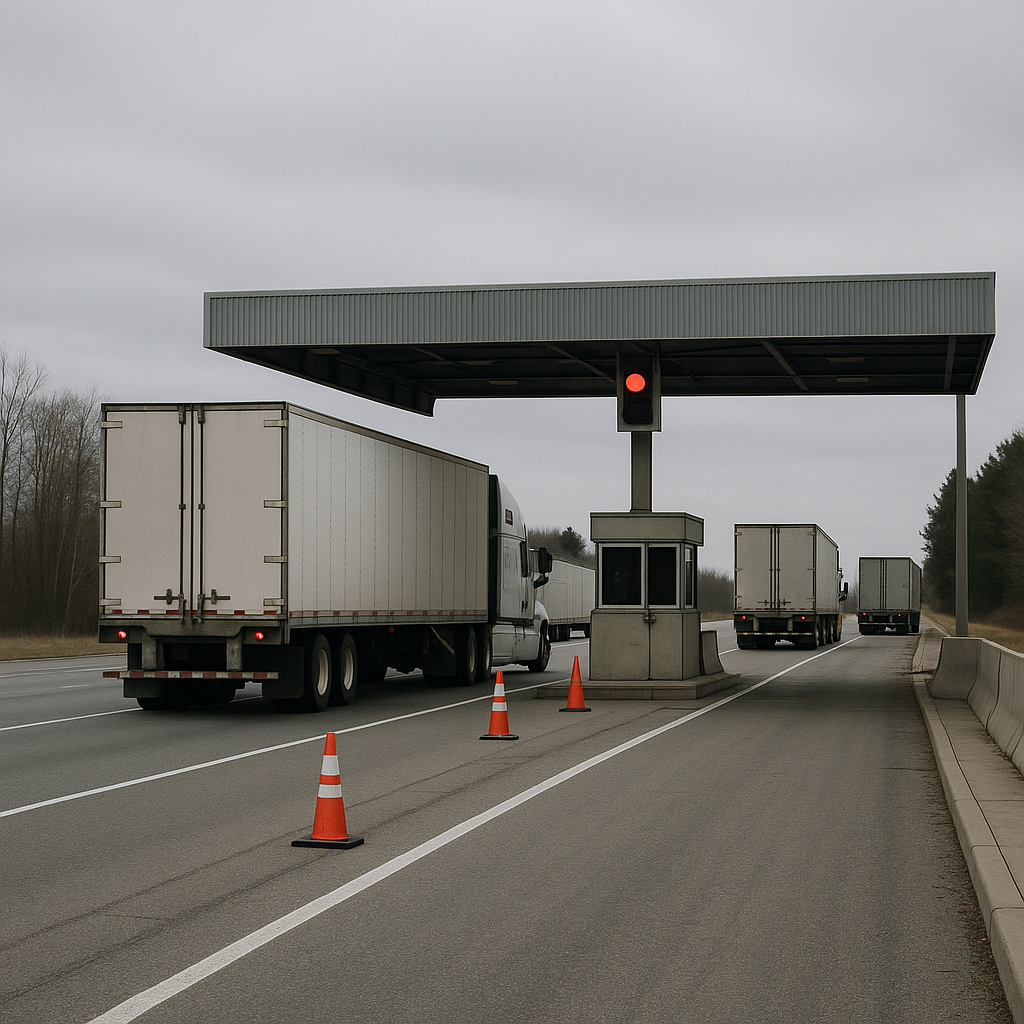
Inspection sites are typically designed to divert trucks off the main roadway, allowing inspectors to screen vehicles for compliance with size, weight, and safety regulations. However, the very act of pulling trucks off—and merging them back onto—the highway has significant implications for traffic flow and safety.
When truck volumes are high or inspection bays are full, lines can develop at the site entrance. The resulting queue may extend onto the highway shoulder or right into an active travel lane. Merging trucks must reduce speed as they approach the inspection site and then accelerate back onto the freeway, creating “conflict points” with passing vehicles.
Such congestion has several effects:
1. Reduced Throughput: Even temporary slowing or stopping reduces the capacity of the freight corridor, causing delays not only for trucks but also for passenger vehicles sharing the highway.
2. Increased Accident Risk: Queuing trucks can create unexpected slow zones, leading to rear-end collisions, particularly for drivers who may not anticipate sudden stops on an otherwise high-speed roadway.
3. Merging Hazards: Trucks re-entering the highway must accelerate from a stop or low speed to match the speed of through traffic. In Nevada, where speed limits on many open highways reach 70 mph or more, this differential can be dangerous, especially in poor weather or low visibility.
4. Detour and Diversion: During heavy congestion, some truck drivers may seek alternate routes to avoid wait times at inspection sites, potentially diverting large vehicles onto less suitable secondary roads.
Nevada’s Department of Transportation (NDOT) has responded to these challenges by deploying modern weigh-in-motion (WIM) scales, automated screening systems, and variable message signs at several facilities. These technologies allow compliant trucks to bypass the inspection site without stopping, improving traffic flow and reducing merging hazards.
Time-of-Day and Seasonal Traffic Trends
Inspection site impacts on traffic flow are not constant. Nevada’s freight corridors experience periodic surges and lulls tied to factors such as time of day, day of week, and season.
Peak Hours and Weekdays
Most truck traffic in Nevada tends to peak during daylight hours, especially early morning and late afternoon. Inspection sites are often busiest during these periods, as trucking companies schedule departures and arrivals to maximize driver hours-of-service and meet receiver deadlines. Monday mornings and Friday afternoons see the highest volumes as drivers aim to start or finish hauls.
During these peak times, inspection sites may experience longer lines, slower processing, and greater impacts on highway traffic. The risk of congestion or delays increases accordingly.
Seasonal Fluctuations
Nevada’s trucking activity is influenced by seasonal industries and shipping cycles:
– Tourism Peaks: In regions close to Las Vegas and Reno, truck traffic surges around major holidays, events, and weekends, as suppliers rush to restock resorts and entertainment venues.
– Mining and Agriculture: Seasonal peaks match harvest times and mining output schedules, with surges in specialized truck movements noted in northern Nevada.
– Winter Weather: Snow and ice, particularly on high desert or mountain passes, can slow traffic approaching inspection sites, increasing the likelihood of delays. Visibility issues also heighten risk around merging and queuing zones at site entrances and exits.
Inspection sites often adjust staffing patterns to align with these seasonal and daily variations, deploying additional personnel and utilizing automated systems to manage flow.
Neutral Closing Paragraph
Inspection sites are a vital feature of Nevada’s transportation network, balancing the needs for both roadway safety and efficient freight movement. Although these facilities can momentarily disrupt truck traffic flow—especially during peak times or heavy freight seasons—ongoing efforts to leverage technology and adapt procedures are helping mitigate their impacts. Understanding how inspection sites affect truck traffic flow supports better planning and collaboration among truck drivers, fleet operators, and transportation officials, ultimately sustaining Nevada’s role as a major freight hub in the western United States.