
How Insurance Handles Commercial Vehicle Damage Claims
Introduction to Insurance Claims in Truck Accidents
Navigating the aftermath of a commercial vehicle accident can be challenging. Understanding how insurance claims are processed for commercial vehicle damage is essential to ensure a smoother resolution. This article outlines how insurance companies typically handle these claims, providing insight into what businesses can expect during the process.
How the Claims Process Typically Works in This Situation
When a commercial vehicle is involved in an accident, the insurance claims process begins almost immediately. It’s critical for businesses to be prepared and aware of each step involved. This helps expedite the process, ensuring vehicles return to operation swiftly.
Key Steps Involved in Handling a Claim
1. Immediate Reporting: Promptly report the accident to your insurance company. Provide details such as time, location, circumstances, and any involved parties.
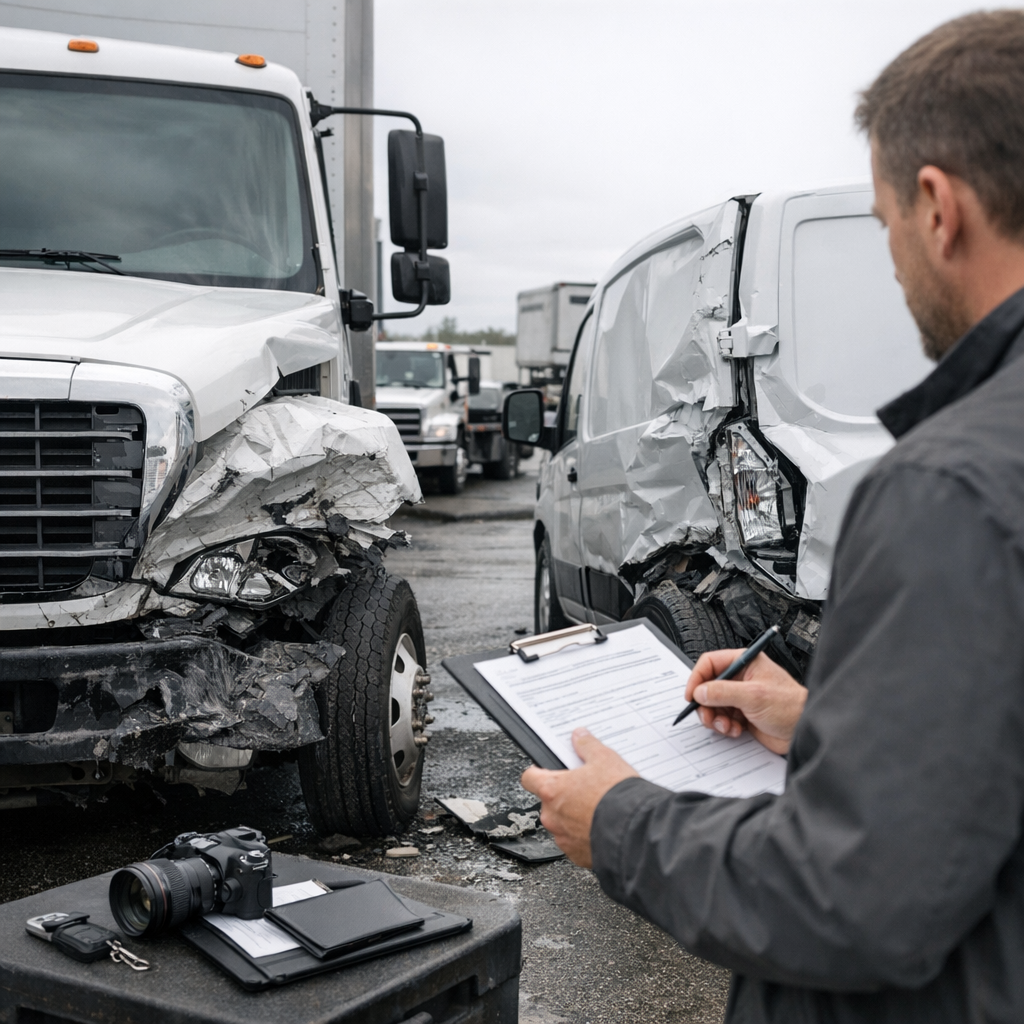
2. Documentation: Gather evidence including photographs of the damage, witness statements, and police reports. This documentation supports your claim.
3. Claim Submission: Submit a formal claim through your insurer’s portal or via direct contact with your insurance agent.
4. Initial Assessment: An adjuster may inspect the vehicle to assess damage and determine the potential cost of repairs or replacement.
How Insurance Companies Review and Evaluate Claims
Insurance companies evaluate claims by assessing the collected evidence and determining liability. The adjuster reviews all documentation, evaluates the damages, and consults repair cost estimates to ascertain the financial impact. They consider factors like policy limits, deductibles, and any fault determined in the accident.
Common Issues or Delays That May Arise
Delays can occur due to incomplete documentation, disputes over liability, or delays in damage assessment. Ensuring all paperwork is comprehensive and timely can mitigate these issues. Communication with the insurer is key to keeping the process moving.
How Decisions and Payouts Are Generally Determined
Payouts are determined based on the insurance policy terms and the findings of the claim review. If the claim is approved, compensation for repairs or vehicle replacement is issued according to the policy’s coverage limits. Any deductibles or coverage exceptions will be applied.
General Awareness of Options When Challenges Occur
If challenges or disputes arise, policyholders can seek clarification from their insurance company. While many claims proceed smoothly, complications may lead some to consult professional or legal guidance to explore further options. Always maintain records of communication and agreements for reference.
Closing Informational Summary
Handling commercial vehicle damage claims involves a structured process where clarity and timely communication are crucial. Understanding this framework aids in managing expectations and ensuring timely claim resolution. While this guide provides a practical overview, individual experiences may vary, and seeking professional assistance can be beneficial when navigating complex scenarios.