
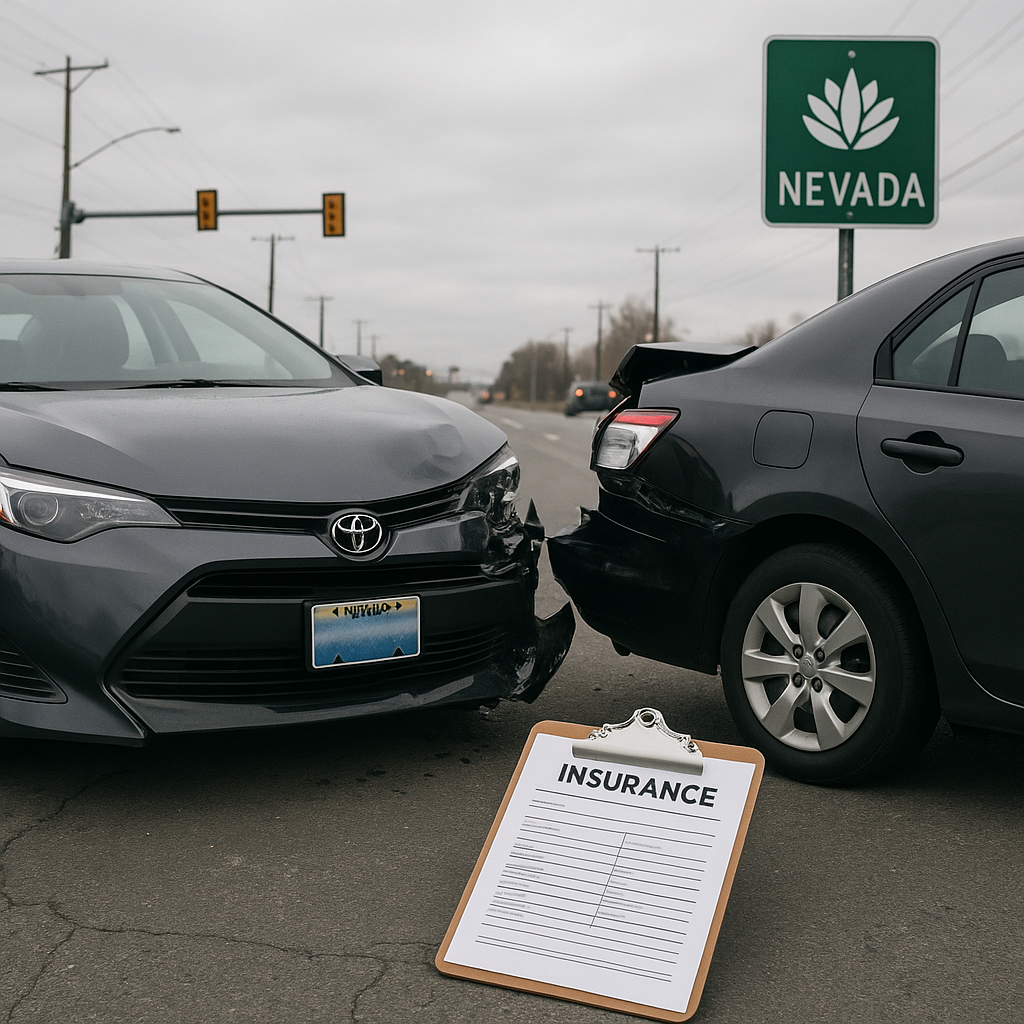
How Insurance Receives Crash Report Information in Nevada
When an auto accident occurs in Nevada, the exchange and documentation of information become crucial for everyone involved—including insurance companies. For both individuals and insurance adjusters, understanding how insurance receives crash report information in Nevada helps clarify what happens after the initial shock of a collision and why timely, accurate reporting can matter for insurance processing and outcomes.
Overview of Crash Response and Reporting Systems in Nevada
Nevada, like most states, has detailed protocols for responding to vehicle crashes. State law requires drivers to stop at the scene, assess injuries, and contact law enforcement under certain circumstances. When there are injuries, fatalities, or significant property damage, law enforcement must be notified and will typically arrive to assess the situation, provide assistance, and document the crash through an official report.
Once the immediate necessities have been addressed—such as ensuring everyone’s safety and calling emergency services—the focus shifts to documentation. The information collected at the scene forms the backbone of the crash report, which is central to both legal processes and insurance claims. In Nevada, this process is designed to create an official, unbiased record of what transpired.
Insurers depend on this centralized crash documentation to gather the facts needed to evaluate claims accurately. The flow of information—from the moment of impact to when an insurance company processes a claim—relies on a network of agencies, meticulous recordkeeping, and regulated communication channels.
Common Agencies and Reporting Steps
Several agencies coordinate to handle crash reporting in Nevada:
– Nevada Highway Patrol (NHP): Oversees crashes occurring on state and interstate highways.
– Local Police Departments: Handle incidents within city or town limits.
– County Sheriff’s Offices: Address collisions in unincorporated or rural areas.
These authorities are responsible for producing crash reports when legally required—generally, when there are injuries, deaths, or notable damage to property. After an investigation at the scene, the responding officer completes a detailed report, usually within a few days.
This official crash report includes pieces of information crucial for insurance processing: identification of all involved drivers, vehicles, insurance details, road conditions, weather, possible citations, and a narrative or diagram describing the incident’s circumstances.
Once finalized, the crash report is submitted to the respective law enforcement agency’s records division. In Nevada, citizens and insurers can request these reports through official channels (often online portals or in-person requests at police or sheriff offices). Nevada Revised Statutes allow for the release of these reports to involved parties, their attorneys, and their insurers for use in claims and legal matters.
Insurance companies generally receive crash report information in Nevada by one of two main methods:
1. Direct Submission by the Policyholder: Drivers involved in crashes are often instructed by their insurer to obtain and submit the police report or its case number.
2. Direct Request by the Insurer: Many insurance companies regularly interact with law enforcement databases to request crash reports directly, provided they can verify their involvement in the case.
Both approaches depend on the official handling of the original crash documentation by law enforcement and the records divisions.
Documentation Typically Involved
The crash report is typically the centerpiece of communication between policyholders, law enforcement, and insurance companies. However, other documentation may also come into play:
– Exchange of Information Forms: At the scene, officers sometimes facilitate the handover of information forms summarizing personal, vehicle, and insurance data for all parties.
– Photographs and Diagrams: Law enforcement may include photographs of the scene, vehicles, and injuries, and may draft diagrams clarifying the event sequence.
– Statements from Drivers and Witnesses: These are used as supplementary evidence and may be referenced in the report narrative.
This package of documentation enables insurers to verify facts, prevent fraud, and more accurately assess liability. Insurance adjusters, upon receiving the crash report and supplementary materials, compare the facts of the accident to policy coverage and determine fault based on the provided information.
The efficiency and accuracy of this information exchange process play a significant role in how promptly an insurance claim can be processed and resolved in Nevada.
Common Reporting Misunderstandings
Despite the structured systems in place, several misconceptions persist about how insurance receives and uses crash report information in Nevada.
One common misunderstanding is that a police report is always filed for every crash. In reality, law enforcement is only legally required to file reports when injuries, fatalities, or major property damage occur. In more minor incidents, parties may only exchange information without formal police involvement, which means no official crash report is available for insurance purposes.
Another misconception is that insurers immediately receive crash report information automatically from law enforcement. While some larger insurers have direct access to Nevada’s crash report databases, most still require a formal request—and the turnaround time can vary depending on the agency’s workload and the completeness of the submitted documentation.
It’s also important to note that the crash report itself is a separate document from an insurance claim form. Policyholders sometimes confuse their insurer’s claim application with the police crash report; both are necessary but serve different purposes. The insurer’s claim form details the incident and sets the claims process in motion, while the crash report serves as an official, third-party account of the incident.
Lastly, misunderstandings can arise regarding the accessibility of crash reports. Not all details in a report are available to the general public, and insurance companies must verify their involvement before accessing specific documentation. This ensures privacy and compliance with state regulations.
Neutral Closing Paragraph
The process of how insurance receives crash report information in Nevada involves coordinated efforts between law enforcement agencies, drivers, and insurance companies. While the systems in place are designed to facilitate accurate, timely information exchange, awareness of common procedures and limitations can clarify expectations for those involved in automobile incidents. As Nevada continues to refine its crash reporting and information-sharing protocols, transparent communication among all parties remains essential for efficient claims resolution and road safety.