
How Lane Closures Impact Semi Truck Collisions in Nevada
Overview of the Trend or Pattern
Nevada’s vast highways and bustling interstate corridors serve as critical arteries for freight transport across the western United States. Semi trucks are a common sight, hauling goods ranging from consumer products to industrial materials. However, as infrastructure maintenance and expansion projects have become more frequent, lane closures along key Nevada routes have introduced new variables affecting traffic flow and safety.
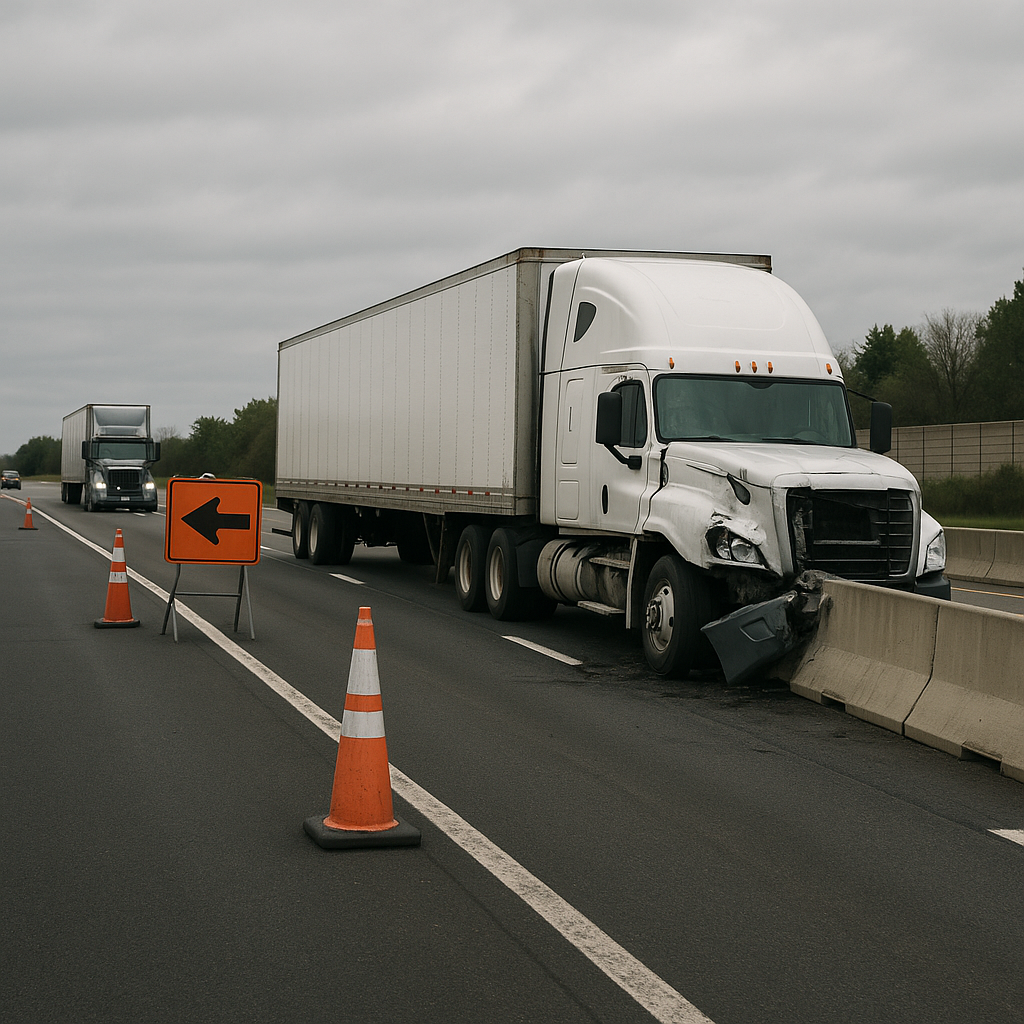
Lane closures impact semi truck collisions by creating complex traffic dynamics, often leading to higher collision risks and severity. These closures reduce available travel lanes, funneling large vehicles into tighter spaces and forcing drivers to adjust speed and positioning with less margin for error. In Nevada, where semi trucks play a vital role in the economy, understanding how lane closures affect collision patterns is crucial for stakeholders including transportation planners, fleet operators, and policymakers aiming to improve road safety.
Common Factors Behind the Pattern
Several factors contribute to the increased risk of semi truck collisions during lane closures:
1. Reduced Roadway Capacity
Lane closures diminish the number of lanes motorists can use, resulting in bottlenecks and slowed traffic. For semi trucks, which require more space to maneuver and longer distances to brake, these capacity reductions can complicate driving decisions and contribute to rear-end or sideswipe collisions.
2. Driver Behavior and Stress
Drivers encountering lane closures often experience frustration, stress, and confusion—especially if closures occur unexpectedly or without clear signage. Semi truck drivers managing tight schedules may take greater risks to maintain on-time deliveries, including abrupt lane changes or unsafe following distances.
3. Complex Traffic Merges
Merging traffic is a common source of incidents during lane closures. Semi trucks merging into fewer lanes must navigate around smaller passenger vehicles, often in congested conditions with limited visibility. The significant size difference between trucks and cars can amplify collision impacts.
4. Reduced Visibility and Roadway Constraints
Lane closures may involve temporary barriers, construction equipment, and altered road geometry. In Nevada, where many lane closures occur on highways flanked by open desert or mountainous terrain, sightlines can be limited by topography or nighttime driving conditions, increasing collision likelihood.
5. Speed Variations
While cars can accelerate and decelerate quickly to adapt to changing traffic patterns, semi trucks have slower acceleration and deceleration rates. Speed discrepancies within lane closures create a dynamic where trucks may be forced to slow suddenly or face rapid speed increases, a recipe for rear-end crashes.
Why Severity May Be Higher in Nevada Conditions
Nevada’s unique geography and climate amplify the risks and consequences of collisions involving semi trucks during lane closures. Several statewide conditions contribute to higher collision severity:
1. Harsh Environmental Conditions
Nevada’s environment presents challenges such as extreme heat, blowing dust, and sudden monsoon storms, all of which can reduce tire traction and driver visibility. Semi trucks carry heavy loads, and adverse weather combined with lane closures means that stopping or maneuvering safely is more difficult.
2. Long Distances Between Emergency Services
Many of Nevada’s highways traverse rural, sparsely populated areas where response times to collisions may be longer. In the event of a severe semi truck crash, especially during lane closures with concentrated traffic, the time to provide medical aid and clear obstructions is extended, raising the severity of outcomes.
3. High Volume of Freight Traffic Along Key Corridors
Major routes such as Interstate 15, which connects Southern California with Las Vegas and beyond, see substantial commercial truck traffic. Lane closures on these corridors magnify exposure to risk because of the density of semi trucks; multi-vehicle pileups are more likely and tend to be more involved than in more passenger-vehicle dominated areas.
4. Road Surface and Infrastructure
Some Nevada highways have aging infrastructure where lane closures may be more frequent due to maintenance needs. Narrow shoulders, inconsistent pavement conditions, and tight construction zones heighten the chance of trucking incidents. Trucks occasionally need extra room to navigate around construction delay zones, which may not always be provided.
How Patterns Change Over Time
Lane closure-related semi truck collisions in Nevada are influenced by several temporal patterns:
1. Construction Seasonality
Construction and maintenance work tend to peak during warmer months when weather conditions allow for extensive roadwork. Lane closures are more prevalent during these months, consequently increasing the incidence of collisions involving semi trucks during this period. As weather cools, lane closures decrease and collision patterns tend to revert to baseline levels.
2. Traffic Volume Trends
Traffic volumes fluctuate according to economic cycles, holidays, and special events such as those in Las Vegas. During periods of high traffic, lane closures cause more severe congestion and a higher collision risk. Seasonal tourism surges or holiday freight movements exacerbate these trends.
3. Infrastructure Improvement and Technology
Nevada’s Department of Transportation continuously works on updating infrastructure and implementing intelligent transportation systems (ITS), such as dynamic message signs and ramp metering, which can mitigate the collision risks associated with lane closures. Over time, these improvements can smooth traffic flow, enhance driver awareness, and reduce collision frequency and severity.
4. Changes in Trucking Regulations
Adjustments to regulations affecting truck driver hours, speed limits, or mandatory stopping points can influence how lane closures impact truck traffic safety. Stricter safety enforcement combined with educational campaigns for driving in construction zones may reduce risky maneuvers and collisions over time.
Neutral Closing Paragraph
Lane closures remain an essential part of maintaining and improving Nevada’s vital highway infrastructure. While their impact on semi truck collisions is a notable concern, especially given the state’s unique environmental and traffic conditions, continued efforts to improve construction zone design, driver education, and traffic management technologies offer promising avenues to reduce risks. Understanding the factors behind collision patterns during lane closures helps stakeholders make informed decisions that balance infrastructure necessities with roadway safety for all users.