
How Lane Expansion Projects Affect Freight Corridors in Nevada
Nevada serves as a pivotal hub for freight transportation in the West, with a network of highways and corridors that facilitate the movement of goods across the state and beyond. As commercial traffic continues to increase, infrastructure improvements, such as lane expansion projects, are frequently implemented to accommodate demand and reduce congestion. However, these projects can have both positive and challenging effects on Nevada’s freight corridors. This article explores how lane expansion projects affect freight corridors in Nevada, the key truck types utilizing these routes, risks associated with congestion and merging, and crucial time-of-day and seasonal trends impacting the state’s logistics sector.
Overview of the Freight Corridor or Trucking Activity
Nevada’s strategic geographical position makes it a central link in the transport of goods between California, the Pacific Northwest, and the Intermountain West. Major highways like Interstate 80, which cuts across the northern part of the state, and Interstate 15, running through southern Nevada, are lynchpins in the regional and national supply chain. State Route 95, another vital corridor, connects Las Vegas northward through Tonopah, Fallon, and beyond, serving both long-haul and regional distribution centers.
The Silver State’s freight traffic is powered largely by its proximity to California ports and bustling warehouse districts in Las Vegas and Reno. These corridors support industries such as food distribution, construction, e-commerce, and mining, making the efficiency and safety of these roadways critical for the local and regional economy. Lane expansion projects, designed to adapt highways for expanded capacity, can improve mobility in the long term but often challenge trucking operations during their construction phases.
Common Truck Types and Freight Activity in the Area
The principal freight movers on Nevada’s highways are a wide variety of truck classes, each tailored to specific cargo and distance requirements:
– 53-foot Dry Vans: These are the most common long-haul trailers, transporting retail goods, packaged food, and dry consumer products. They dominate traffic on I-80 and I-15, carrying freight from coast to coast or between regional distribution centers.
– Refrigerated Trucks (Reefers): These maintain temperature-sensitive shipments, including produce moving from California farms through Nevada, or pharmaceuticals supplied to rural hospitals.
– Flatbeds and Lowboys: Regularly seen hauling mining equipment or construction materials, particularly near Reno, Elko, and on the way to Nevada’s numerous mining sites.
– Tanker Trucks: Delivering fuel and bulk liquids to remote communities and commercial operations, these are essential on more isolated routes like U.S. 95.
– Bulk Haulers and Doubles/Triples: With Nevada’s long, straight stretches, double- and triple-trailer configurations are legal and common, especially between distribution centers in northern and southern Nevada.
Freight activity in Nevada is characterized by both through-traffic and local delivery. The state’s major cities act as logistics hubs: Las Vegas supports goods bound for Arizona, California, and southern Nevada, while Reno is critical for freight heading to northern California and the Pacific Northwest. Additionally, mining and agricultural outputs often require specialized trucking to rural processing and storage points.
How Congestion or Merging Creates Risk
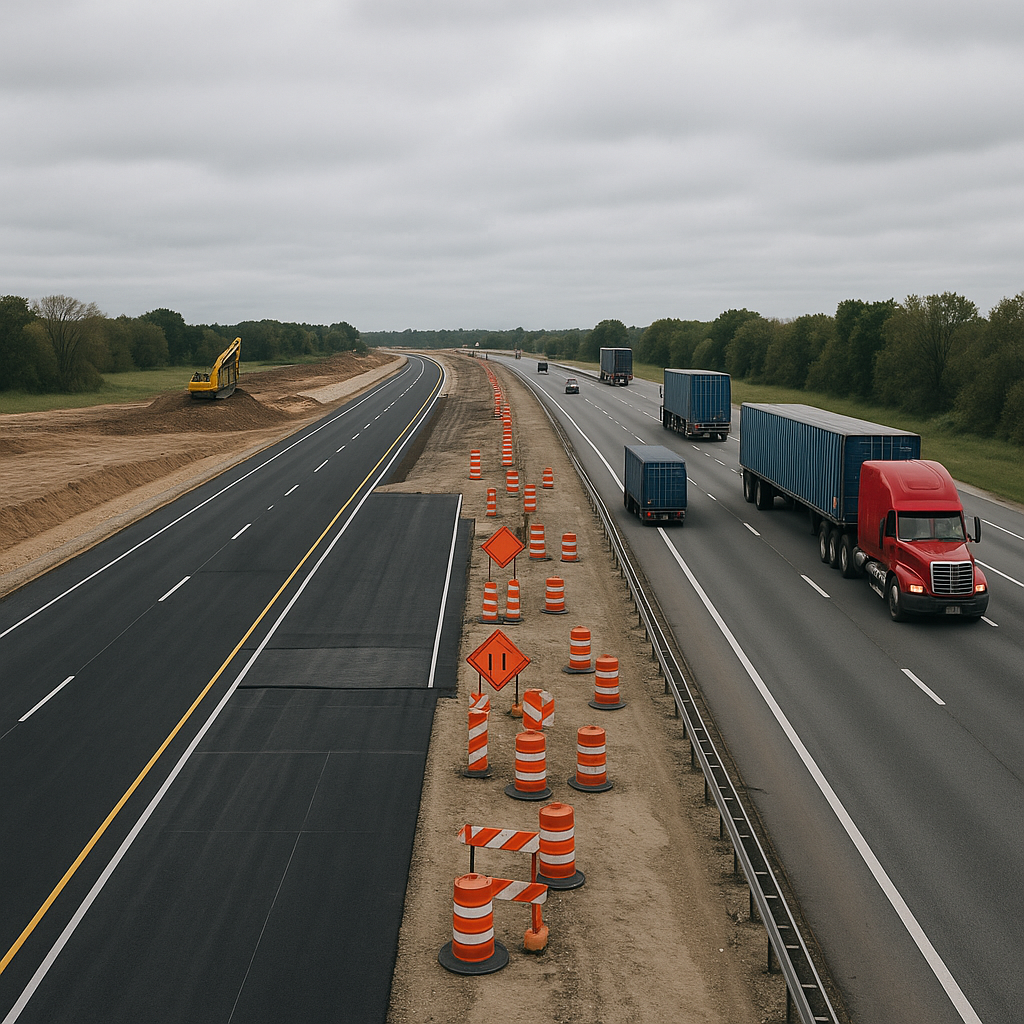
One of the main ways lane expansion projects affect freight corridors is by altering the normal flow of traffic, often increasing congestion and creating new merging zones or temporary lane shifts. These changes can particularly challenge long combination vehicles (LCVs) and heavy trucks.
Key risk factors include:
– Reduced Lane Widths: Construction often forces trucks and cars into narrower lanes or decreased shoulder widths, reducing the margin for error, especially for wide or oversized cargo.
– Frequent Lane Shifts: Regular changes to traffic patterns, such as temporary re-routing or abrupt merging areas, can be difficult for truck drivers to predict, requiring increased alertness and anticipation for sudden stops.
– Increased Interactions with Passenger Vehicles: With less space to maneuver, passenger cars and commercial vehicles are forced into closer proximity, raising the potential for sideswipes, rear-end collisions, or “blind spot” accidents.
– Delays and Unpredictable Travel Times: Idle time spent in construction zones increases operating costs for trucking companies and complicates route planning.
While the completion of lane expansion projects eventually reduces bottlenecks and accommodates growing truck volumes, the construction phase can introduce significant risk and operational challenges. Advanced communication and collaboration between transportation agencies and the freight community is crucial to maintaining safe corridors during these periods.
Time-of-Day and Seasonal Traffic Trends
Understanding time-of-day and seasonal patterns is vital for freight planners and drivers navigating Nevada’s changing roadways, especially during periods of active lane expansion.
Time-of-Day Patterns
– Morning and Afternoon Peaks in Urban Areas: Routes near Las Vegas and Reno frequently experience commuter peaks between 7–9 a.m. and 4–6 p.m., increasing congestion and the risk of delays for truck traffic entering or leaving these cities.
– Late Night/Early Morning Hauling: Many freight fleets schedule movements to avoid daytime congestion, particularly for oversized loads or hazardous shipments which may be restricted to off-peak hours.
– Frequent Weekday Activity: Major freight corridors, especially I-80 and I-15, see their highest truck volumes Monday through Friday, aligning with warehouse staffing and delivery schedules.
Seasonal and Weather-Related Trends
– Wintertime in Northern Nevada: Snow and ice, especially over mountain passes such as Donner Summit or around Elko, can slow freight movement dramatically. Lane expansion or construction projects during these months may worsen conditions if detours or narrowed lanes reduce access for snowplows or emergency vehicles.
– Summer Construction Season: Most lane expansions are scheduled for warm, dry months to maximize productivity and minimize weather delays. This period, however, also coincides with increased tourist traffic on major routes to national parks and recreation areas, particularly near Las Vegas, Lake Tahoe, or Great Basin.
– Mining and Agricultural Cycles: Harvest and mineral output periods create spikes in truck traffic on rural roads, which may be simultaneously impacted by expansion or repaving projects.
Awareness of these timing and seasonal patterns enables freight operators to make proactive scheduling adjustments, avoiding peak congestion and maintaining on-time performance despite construction impacts.
Conclusion
Lane expansion projects play an essential role in ensuring Nevada’s highways can safely and efficiently support today’s high-volume freight corridors. While temporary disruptions caused by construction—narrow lanes, unpredictable merging, and increased congestion—pose unique challenges to truck drivers and logistics planners, the long-term benefits of expanded capacity and improved travel times are significant. Through careful scheduling, clear communication, and close coordination between freight stakeholders and transportation agencies, Nevada’s critical corridors can continue to serve as reliable arteries for the region’s commerce and industry.